The Crisis-Response Paradigm: A Historical Anomaly
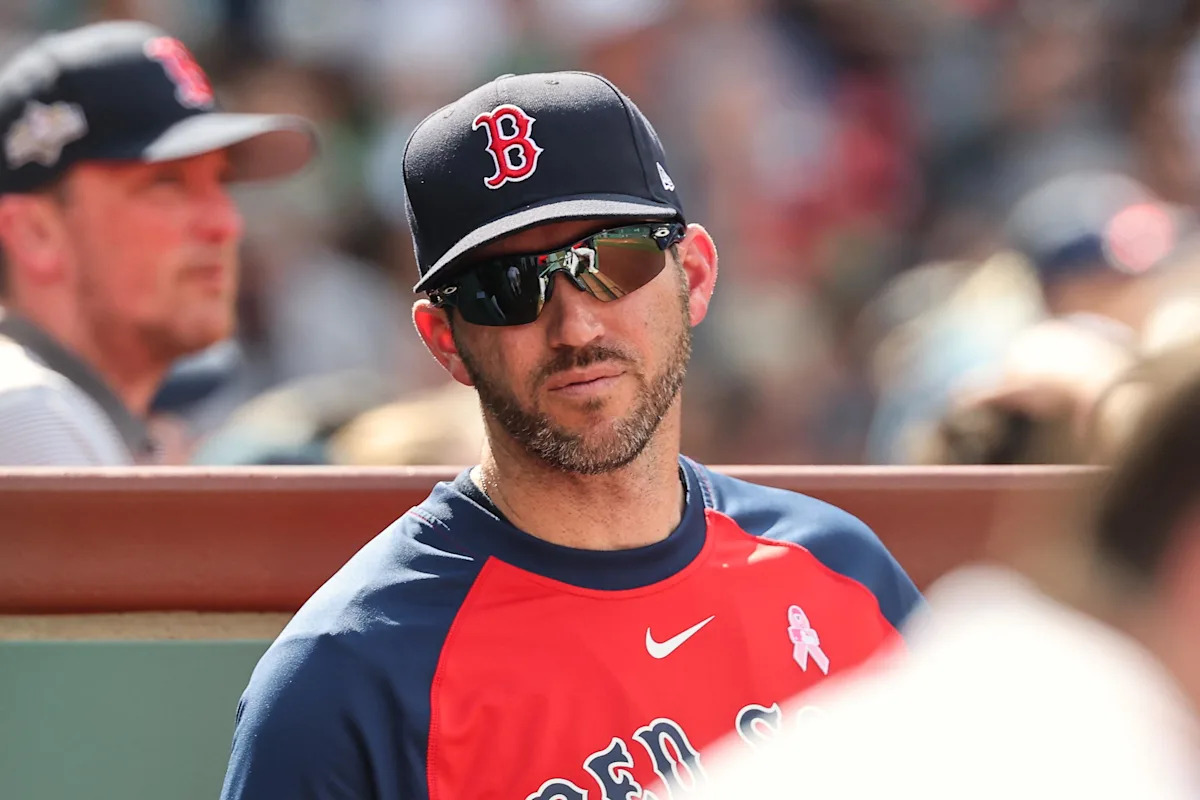
The three-game set between the Philadelphia Phillies and the Boston Red Sox at Fenway Park serves as a significant case study in organizational volatility. According to the Elias Sports Bureau, this is the first instance since 2002 where two franchises have met within the first 45 games of a season while both operating under interim leadership. Unlike the historical precedents—the 2002 Tigers-Royals and 2001 Devil Rays-Rangers—which featured teams in chronic rebuilding phases, the current Phillies and Red Sox regimes are attempting to salvage high-payroll rosters designed for immediate postseason contention.
Tactical Shielding: The Opener Strategy
Boston’s utilization of Jovani Morán as an ‘opener’ for Brayan Bello represents a calculated data-driven intervention. Bello’s 7.44 ERA and 2-4 record highlight a specific vulnerability in the first rotation through the order. By deploying Morán to neutralize the Phillies’ high-slugging lead-off threats like Kyle Schwarber and Trea Turner, the Red Sox are utilizing risk mitigation to preserve Bello’s ‘trust tokens’—the intangible organizational capital young pitchers must maintain to remain in a high-leverage rotation.
The Wheeler Anchor vs. Roster Attrition
The series opener features a stark contrast in pitching stability. Zack Wheeler, maintaining a 3.12 ERA, serves as a developmental anchor for a Philadelphia team currently sitting at 19-22. While Wheeler provides innings-eating reliability, the Phillies’ challenge lies in overcoming their own internal transitions to provide run support. Conversely, the Red Sox face acute lineup constraints; with Roman Anthony absent and Willson Contreras recovering from a hand injury, the insertion of Mickey Gasper into the second slot reveals a depth chart under extreme duress.
Economic Stakes and the ‘Middle Third’
As both franchises approach the 45-game threshold, they enter the ‘middle third’ of the season— a period where the initial adrenaline of a managerial change fades, exposing fundamental roster flaws. For organizations operating near the luxury tax threshold, the cost of a lost season is not merely competitive but financial. This series serves as a litmus test for whether interim leadership can stabilize performance metrics before the trade deadline necessitates aggressive roster liquidation.
Conclusion: Resilience in High-Market Environments
The convergence of two interim managers in two of MLB’s most scrutinized markets creates a unique feedback loop of media pressure and tactical experimentation. Whether Philadelphia’s established stars or Boston’s data-driven pitching shifts prevail, the series will define the trajectory of these interim eras. The resilience shown at Fenway Park will determine which franchise possesses the structural integrity to transition from early-season crisis to late-summer contention.