Broadcast Programming Strategy: Stability as Asset Management
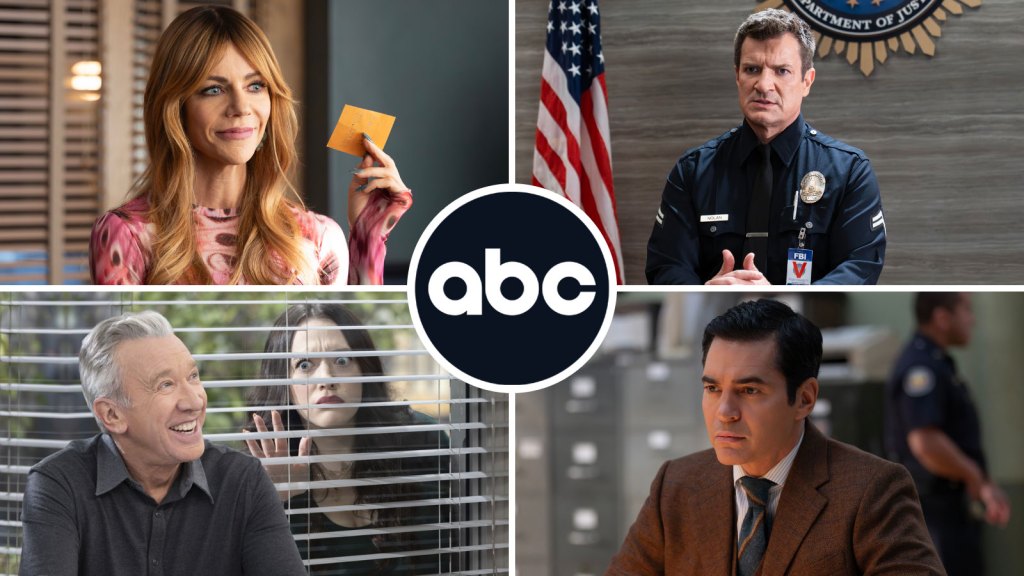
ABC has unveiled its Fall 2026 primetime schedule, abandoning aggressive annual series turnover in favor of long-term asset retention. By renewing its entire scripted lineup—a historical first for the network—management is prioritizing the compounded equity of established intellectual property over the volatility inherent in new series development.
This shift reflects broader media trends aimed at maximizing the lifecycle of proven performers. By maintaining continuity across peak viewing nights, the network aims to stabilize audience retention metrics within an increasingly fragmented landscape.
The Midseason Pivot: Tactical Withholding
A central structural change is the decision to delay the return of top-performing series, such as High Potential, until the midseason. While a proven ratings driver, its absence from the fall lineup suggests a deliberate effort to avoid content front-loading, ensuring the network maintains competitive momentum through the entire fiscal year. This tactic addresses the traditional post-holiday viewership dip by pairing legacy hits with emerging properties like The Rookie: North, creating a balanced ecosystem for both loyal viewers and franchise growth.
Operational Synergy and Scripted Scaling
The network’s commitment to an expanded scripted slate for 2026-2027 signals a return to core broadcast strength. Leadership strategy focuses on cross-platform synergy, leveraging linear broadcast alongside Hulu to capture demographics across diverse digital touchpoints. This approach optimizes marquee events—such as the Super Bowl and the Oscars—by surrounding them with a consistent scripted environment. Furthermore, renewing the full slate reduces overhead costs associated with pilot production and marketing, allowing capital redirection toward production quality and long-term distribution.
Unscripted Adjustments and Brand Realignment
The omission of the Bachelor franchise from the fall schedule marks a significant shift in unscripted programming. Given recent brand controversies, this pause serves as a ‘cooling period,’ granting the network flexibility to re-evaluate the franchise’s alignment with current strategic objectives and audience expectations.
Competitive Positioning and Institutional Outlook
As the fourth major network to release its schedule, ABC is adopting a defensive, predictability-focused posture. By anchoring the schedule with brand-heavy returns like the Scrubs revival and R.J. Decker, the network targets both legacy loyalists and viewers seeking franchise-adjacent stability. For investors, the decision to renew the entire slate signals fiscal health and reduces the operational volatility typically associated with network television, effectively securing the supply chain of content against the high-volume output of major streaming platforms.
Structural Synthesis of the Broadcast Model
The 2026-2027 model treats linear television as the foundation for a wider digital ecosystem. If the strategy of holding tier-one assets for midseason proves successful in sustaining engagement, it may establish a new benchmark for how broadcast networks manage programming inventory in an era where the traditional fall-to-spring cycle is increasingly fluid.