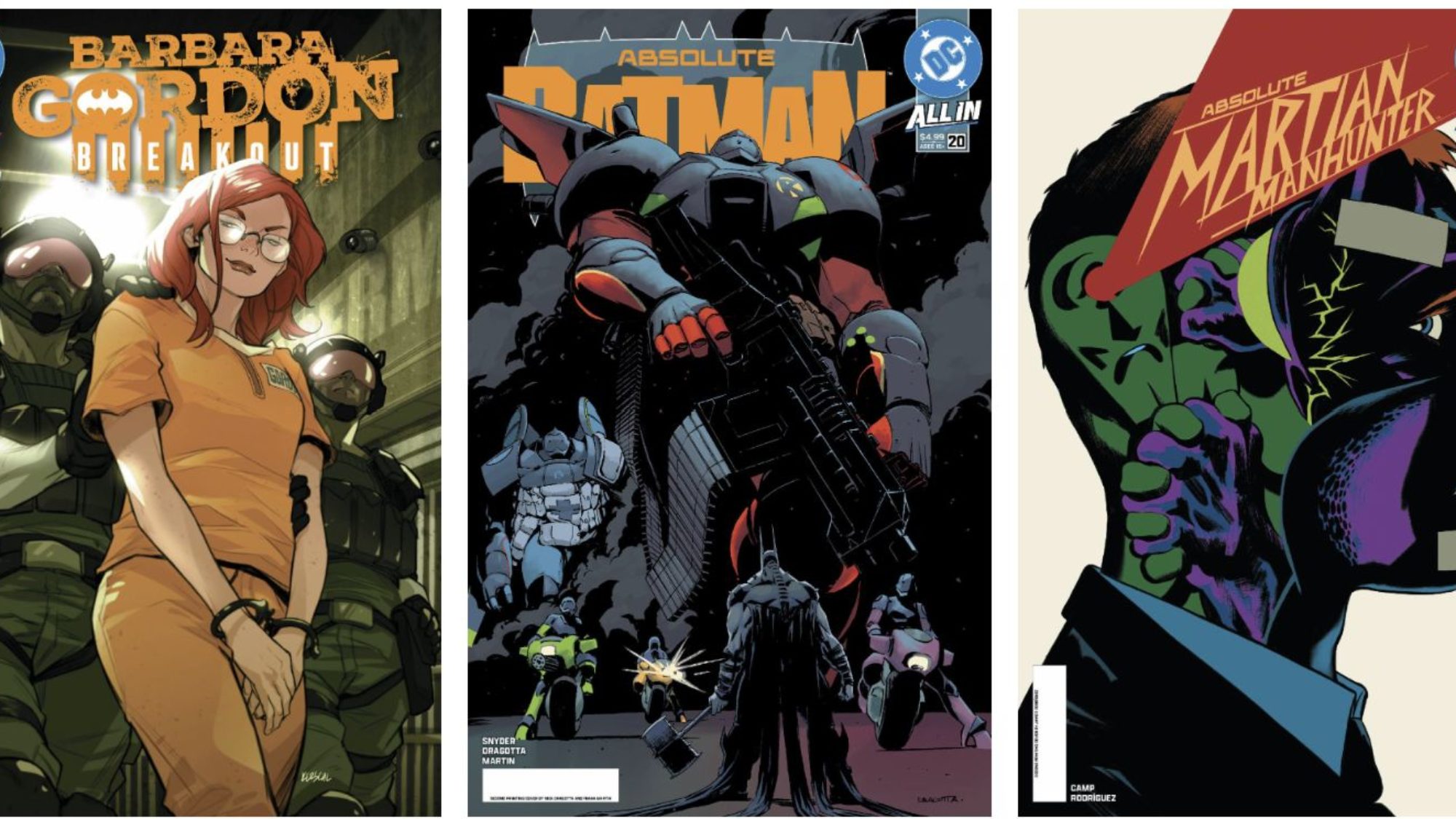
The manufacturing disruptions currently plaguing DC Comics’ high-profile ‘Absolute Universe’ initiative highlight a critical friction point between aggressive brand expansion and the limitations of specialized printing infrastructure. Reports of systemic physical defects in Absolute Batman #20, Absolute Martian Manhunter #11, and Barbara Gordon: Breakout #1 have forced the publisher into an immediate logistical triage. This quality control failure, affecting both standard trade dress and premium variants, threatens the stability of the primary and secondary markets during a period of peak editorial transition.
Inventory Risk Mitigation and Retailer Subsidies
DC’s institutional response centers on a multi-tiered mitigation strategy designed to absorb the financial shock for direct-market retailers. By authorizing a 15% credit on affected variants and providing free second-print replacements for ‘A’ covers, the publisher is effectively subsidizing the inventory risk assumed by independent shops. This decision to permit the immediate sale of defective first prints, while simultaneously seeding the market with corrected copies, prioritizes short-term retailer cash flow and consumer foot traffic over immediate aesthetic consistency.
The financial implications of the 15% credit are particularly vital for specialized retailers. High-ratio variants often serve as the high-margin anchors for small businesses; by offering this rebate, DC attempts to offset the inevitable loss in resale value that physical damage incurs in a condition-sensitive market. This maneuver acknowledges that the ‘Absolute’ brand’s premium positioning depends on the physical integrity of the artifact as much as the narrative quality.
Institutional Grading Amnesty and Market Liquidity
Perhaps the most strategic maneuver in this crisis is DC’s direct engagement with professional grading institutions. By requesting that manufacturing defects be excluded from the technical deduction process, DC is attempting to institutionalize a ‘defect amnesty.’ In the speculative comic book economy, where minor manufacturing flaws can exponentially decrease an asset’s market value, this intervention aims to preserve the long-term investment viability of the initial print run.
This approach highlights the deep interconnectedness between primary publishing and the secondary speculative market. If grading companies comply, it creates a unique market condition where physical flaws do not carry the typical financial penalty, thereby protecting the ‘Absolute’ launch from being perceived as a technical failure by high-end collectors and portfolio-driven investors.
Supply Chain Constraints and Operational Prioritization
The rescheduling of Absolute Batman #21—shifted from June 12 to June 17—serves as a stark indicator of the capacity constraints within the specialized printing sector. According to writer and showrunner Scott Snyder, this delay is a tactical move to prevent the production system from being overwhelmed by the massive print volume required for Absolute Catwoman #1. This prioritization reveals that DC is currently operating at the ceiling of its logistical capacity, forcing a hierarchy of releases to ensure the success of new series debuts.
This bottleneck underscores the vulnerability of the current publishing model, which relies on a rigid weekly distribution cycle with zero margin for error. The necessity of pushing back a flagship title like Absolute Batman suggests that the industry’s printing infrastructure cannot scale as rapidly as the demand generated by the ‘Absolute’ expansion. Looking toward July, the simultaneous release windows for Absolute Batman #22 and Absolute Catwoman #2 present a looming scheduling clash that will further test DC’s operational resilience and brand equity.