
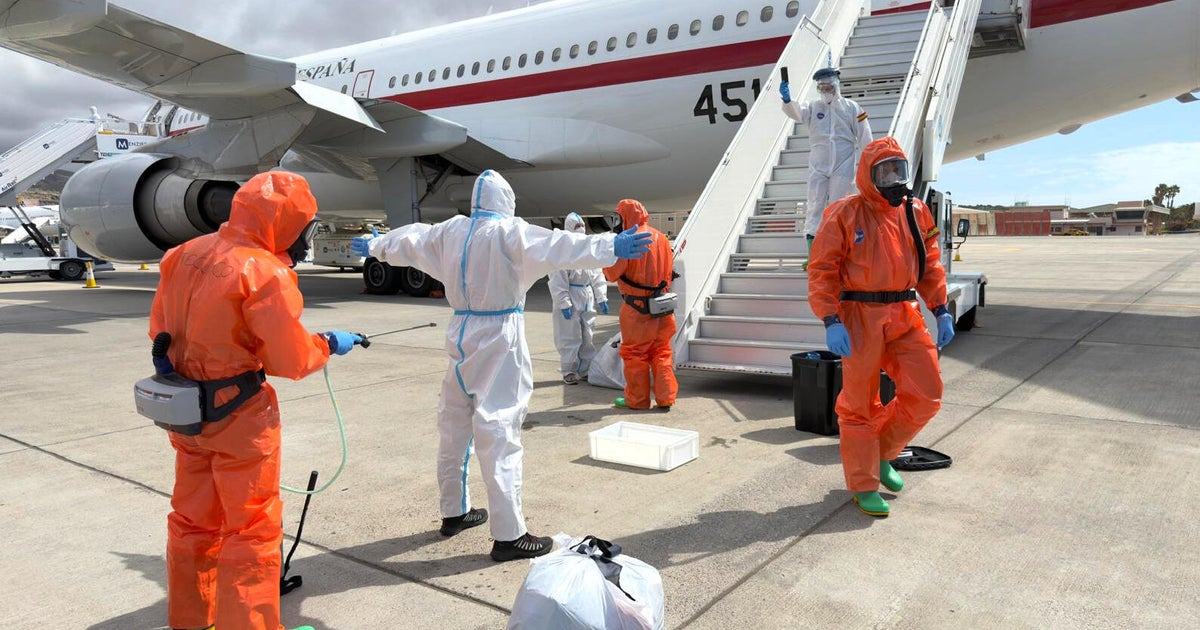
The detection of the Andes orthohantavirus strain among passengers disembarking from a cruise vessel in the Canary Islands represents a pivot point in international biosecurity management. Confirmed by the Department of Health and Human Services (HHS), the presence of PCR-positive and symptomatic cases during repatriation flights necessitates a transition from standard maritime quarantine to high-fidelity biocontainment. This shift is dictated by the unique biological profile of the Andes variant, which, unlike most hantaviruses, facilitates direct human-to-human transmission, fundamentally altering the risk calculus for international transit.
The Pathogen Profile: Strategic Implications of Interspecies Transmission
The Andes strain serves as an outlier in the Hantaviridae family due to its documented capacity for person-to-person spread. This attribute necessitates a departure from environmental vector control toward rigorous clinical isolation. The deployment of specialized biocontainment units for asymptomatic but PCR-positive individuals reflects a preemptive strategy against diagnostic latency. Because the virus can be shed prior to the onset of Hantavirus Pulmonary Syndrome (HPS), reliance on thermal screening or visual inspection at ports of entry is analytically insufficient to prevent domestic introduction.
Diagnostic Gaps in Maritime-to-Aviation Transitions
The emergence of symptoms during the flight—despite clear ship-side health reports—indicates a significant failure in the screening lifecycle. This discrepancy suggests either a rapid clinical progression or a failure to account for the incubation period during the disembarkation window. The involvement of the University of Nebraska Medical Center (UNMC) underscores the systemic threat; as a primary site for federal biosecurity, UNMC’s role extends beyond treatment to the longitudinal analysis of viral dynamics in a controlled environment. The current crisis highlights a structural vulnerability where the ‘hand-off’ between port authorities and aviation medical teams creates a window of high-consequence exposure.
Operational Logistics of Airborne Biocontainment
Utilizing biocontainment envelopes within commercial or military-configured aircraft is a resource-intensive maneuver designed to mitigate aerosolization risks. The high capital requirement and specialized training involved in these evacuations illustrate the limits of current global health infrastructure. Symptomatic cases reported by both French and American authorities during transit suggest that the initial viral load was likely underestimated, necessitating a reevaluation of ‘fit-to-fly’ criteria for passengers exposed to pathogens with person-to-person potential.
Institutional Fallout and Regulatory Evolution
The synchronization between HHS, the French government, and Spanish health officials reveals a complex jurisdictional landscape. For the cruise industry, the Andes outbreak is a catalyst for more stringent health monitoring mandates. The financial drain of specialized medical evacuations, coupled with the reputational risk of becoming a vector for rare pathogens, will likely drive new regulatory requirements for real-time PCR capabilities on international voyages. Future biosecurity frameworks must prioritize early diagnostic intervention over reactive quarantine to manage the intersection of high-speed travel and slow-incubating viral threats.

Photo by MARXCINE on Pixabay.