Hantavirus Outbreak on MV Hondius: Unpacking Global Health Coordination & Expedition Cruise Challenges
International health authorities, spearheaded by the World Health Organization (WHO), have initiated a robust, coordinated response to a confirmed hantavirus outbreak linked to the MV Hondius expedition cruise ship. This mobilization follows the identification of cases among individuals associated with the vessel, demanding a synchronized assessment of transmission risks and containment strategies across disparate national health systems.
The incident, first reported to the WHO on May 2, involves a virus typically associated with rodent reservoirs; however, preliminary epidemiological findings suggest atypical person-to-person transmission may have occurred aboard the MV Hondius. This potential paradigm shift in understanding hantavirus transmission pathways within a confined maritime environment introduces unprecedented complexities for public health interventions and risk management protocols.
Since April 11, the outbreak has tragically resulted in three fatalities among individuals connected to the ship, with several others reported ill. While the WHO maintains that the overall risk to the general public remains low, these confirmed fatalities and persistent illnesses starkly underscore the severe health implications for direct contacts and the critical imperative for thorough epidemiological inquiry.
The Centers for Disease Control and Prevention (CDC) in the United States has classified its response to the hantavirus situation at Level 3, representing the agency’s lowest emergency tier. This classification signals a measured yet active engagement, focusing on enhanced surveillance, evidence-based guidance, and international coordination, reflecting a perception of the immediate threat as contained by leading global health bodies.
Operational and Regulatory Complexities for the Adventure Cruise Sector
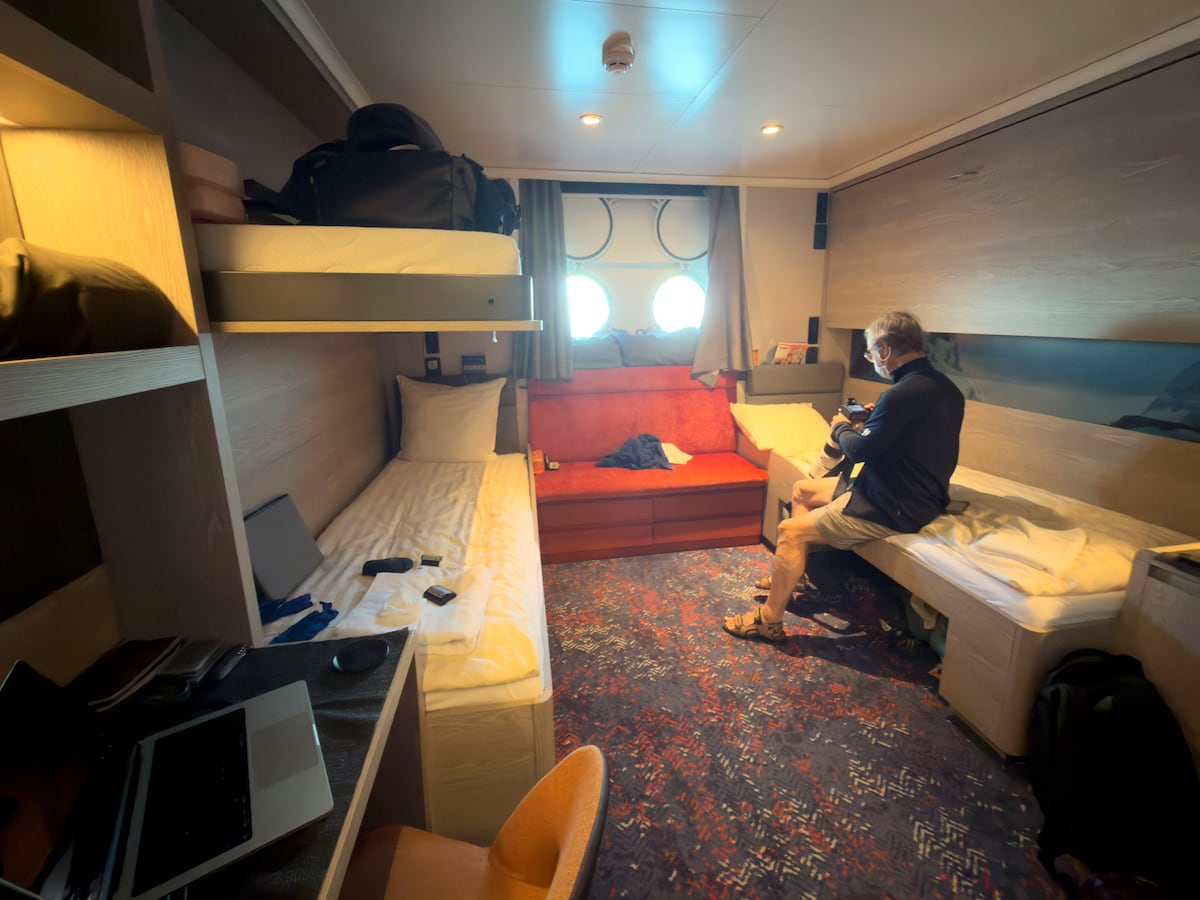
The MV Hondius, characterized as an adventure cruise vessel rather than a conventional luxury liner, departed Ushuaia, Argentina, on April 1 with 114 travelers and 61 crew members for a six-week expedition to remote islands. This operational model, characterized by extended voyages into isolated environments, intrinsically amplifies logistical complexities for onboard medical provision, emergency response capabilities, and the rapid deployment of infectious disease containment measures.
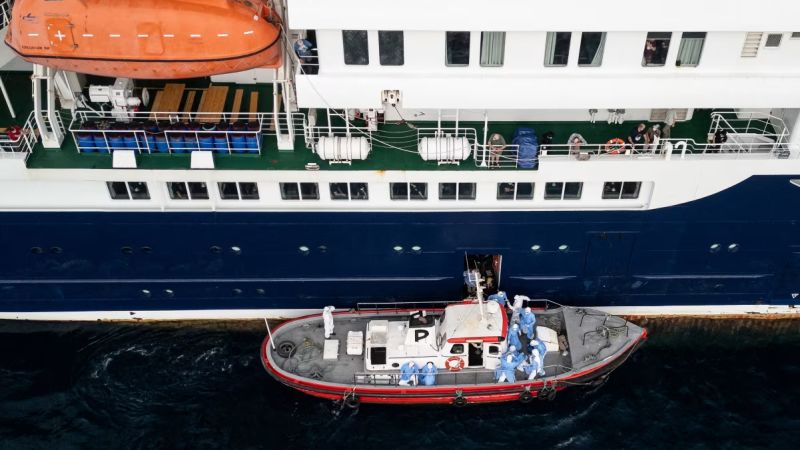
After 33 days at sea, the ship anchored off the coast of Cape Verde following the initial fatalities—a diversion that unequivocally highlights the immediate operational disruptions and the critical, high-stakes decision-making required by cruise operators during a health crisis. Such unscheduled itinerary changes incur substantial logistical, reputational, and financial costs, profoundly impacting passenger experience, crew welfare, and the company’s operational efficiency.
The subsequent arrival of the MV Hondius in Tenerife, within Spain’s Canary Islands, marks a pivotal phase in the international containment effort. Spanish authorities are now tasked with conducting a comprehensive epidemiological investigation and executing a rigorous disinfection of the vessel, processes that demand specialized expertise, significant resource allocation from the port state, and inter-agency coordination. The WHO’s assessment that Tenerife offers “suitable conditions” for passenger disembarkation implies a pre-vetted capacity for managing complex health risks, including isolation protocols, medical screening, and onward travel coordination.
The inherent nature of expedition cruising, often involving prolonged periods away from advanced medical infrastructure, intensifies the challenges associated with managing infectious disease outbreaks. Unlike conventional liners with more extensive healthcare facilities, expedition vessels face magnified hurdles in treating severe cases or implementing broad-scale testing and isolation protocols effectively, mandating highly resilient pre-voyage planning and robust contingency frameworks.
This incident compels a critical re-evaluation of health and safety protocols specifically tailored for the expedition cruise sector. Operators must consider enhanced, pre-embarkation medical screening for passengers and crew, more frequent and comprehensive sanitation regimes leveraging advanced technologies, and robust emergency response plans that explicitly account for the unique logistical constraints of remote, extended voyages. The financial implications extend beyond immediate operational costs to potential long-term, strategic investments in health infrastructure, specialized training, and risk mitigation technologies.
Stakeholder Exposure, Reputational Damage, and Public Trust Dynamics
The hantavirus outbreak on the MV Hondius exposes a diverse array of stakeholders to significant risks and multifaceted consequences. For Oceanwide, the cruise operator, the immediate impact encompasses severe operational disruption, potential financial liabilities from passenger claims, and substantial, long-term reputational damage. The incident necessitates transparent, proactive communication and a demonstrable commitment to passenger safety to effectively mitigate brand erosion and rebuild trust.
Passengers and crew members face direct health risks, the profound psychological burden of uncertainty and isolation, and considerable travel disruptions. The logistical challenge of tracing individuals who may have dispersed globally after potential exposure critically underscores the complexities of international contact tracing and the urgent need for robust, real-time data sharing mechanisms between national health agencies.
Public health organizations like the WHO and national bodies such as the CDC and Spanish health authorities are under immense pressure to effectively coordinate a seamless international response, proactively manage public perception, and refine global health security frameworks. Their demonstrably effective ability to contain the outbreak and communicate risks accurately is paramount for maintaining public trust and validating the efficacy of International Health Regulations (IHR).
Port authorities, such as those in Tenerife, bear the significant operational, biosecurity, and public health responsibility of managing the vessel’s arrival, the systematic disembarkation process, and subsequent thorough sanitation. This involves substantial resource allocation, intricate coordination with national and international health bodies, and the implementation of stringent biosecurity measures to prevent local transmission, potentially impacting port operations, local economies, and public confidence.
The broader cruise industry faces renewed and intensified scrutiny, particularly given the public’s heightened sensitivity to infectious disease outbreaks in confined settings—a pervasive legacy of the recent global pandemic. While the hantavirus outbreak differs significantly in scale and transmission dynamics from previous crises, the public’s immediate associative reaction, characterized by an ‘impossible not to relive the coronavirus crisis’ sentiment, poses a formidable challenge to the industry’s recovery trajectory and long-term reputational standing.
Media Amplification, Perception Management, and Communication Imperatives
The media’s instrumental role in shaping public perception of the hantavirus outbreak on the MV Hondius is unequivocally critical, as evidenced by reports detailing ‘testimonios desde el barco’ and ‘reporteros haciendo fotos al barco.’ Such extensive coverage, particularly when it includes vivid personal accounts, humanizes the crisis, and can significantly amplify public anxiety and speculation, even when health authorities classify the overarching risk as low.
The explicit and immediate comparison to the coronavirus crisis, despite the significant differences in transmissibility, pathogen characteristics, and global impact, highlights a persistent and fundamental challenge in public health communication. Authorities must meticulously navigate a landscape where past pandemic experiences heavily influence public interpretation of new outbreaks, necessitating exceptionally clear, nuanced, and empathetic messaging to prevent disproportionate fear, misinformation, or public distrust.
The narrative surrounding the ‘Odisea del Atlántico’ cruise, initially framed as an inspiring adventure to remote, pristine islands, has irrevocably transformed into a story of unforeseen peril and public health crisis. This dramatic shift underscores how swiftly a brand’s meticulously constructed image can be irrevocably altered by an unexpected health crisis, profoundly impacting future booking confidence and necessitating agile, proactive public relations strategies to rebuild and sustain trust.
Media attention also serves as a potent external pressure point on regulatory bodies and cruise operators, compelling them to demonstrate unwavering accountability, transparency, and decisive action in their response. The high visibility of the incident ensures that the actions taken by Oceanwide, the WHO, the CDC, and Spanish authorities are subjected to rigorous public and professional scrutiny, inevitably influencing future policy, operational standards, and legal precedents within the maritime health sector.
Systemic Implications for Global Maritime Health Governance and Future Preparedness
The MV Hondius incident serves as a crucial, real-world case study for the ongoing evolution of global maritime health governance, particularly concerning non-traditional cruise segments like adventure travel. The complex international coordination required, from initial reporting to the WHO to the intricate disembarkation protocols in Tenerife, demonstrably illustrates the intricate web of regulations, multilateral agreements, and inter-agency collaborations designed to manage cross-border health threats effectively.
The potential for atypical person-to-person transmission, even if proven limited, fundamentally challenges established paradigms for hantavirus management, which traditionally prioritize environmental control and rodent vector mitigation. This necessitates an immediate and comprehensive review of onboard infection control measures, crew training protocols, and passenger advisories, extending beyond standard hygiene practices to include specific guidance for managing novel transmission routes in exceptionally confined maritime spaces.
This event will inevitably prompt a critical re-evaluation of International Health Regulations (IHR) implementation within the cruise sector. This review will specifically address the efficacy of existing reporting mechanisms, the fluidity of data sharing protocols between flag states and port states, and the precise delineation of responsibilities among all maritime health stakeholders. The potential dispersal of infected or exposed individuals across multiple countries further underscores the acute need for seamless, real-time information exchange to facilitate effective international contact tracing and robust surveillance.
Furthermore, the substantial financial and operational burdens placed on both the cruise line and port authorities vividly highlight the significant economic externalities of global health crises. These escalating costs, encompassing comprehensive medical care, quarantine measures, extensive disinfection, and substantial lost revenue, often fall disproportionately on specific entities, raising fundamental questions about equitable risk-sharing mechanisms and the pivotal role of robust insurance frameworks in mitigating such exposures within the inherently volatile maritime industry.
The incident also powerfully reinforces the indispensable importance of robust, well-resourced public health infrastructure at key global maritime hubs. Ports like Tenerife, designated as suitable for managing such complex disembarkations, must proactively maintain exceptionally high levels of preparedness, including advanced diagnostic capabilities, dedicated isolation facilities, and highly trained personnel, to effectively function as critical nodes in the global health security network. This level of preparedness is not merely a national concern but an absolutely vital component of international disease prevention and control.
Ultimately, the hantavirus outbreak on the MV Hondius, while contained through intensive efforts, offers invaluable and urgent lessons for fundamentally enhancing resilience within the global travel ecosystem. It critically underscores the continuous need for adaptive regulatory frameworks, proactive industry self-regulation informed by best practices, and agile, effective international collaboration to collectively safeguard public health against emerging and re-emerging infectious threats in an increasingly interconnected and unpredictable world.