
Systemic Vulnerabilities in Regional Infrastructure
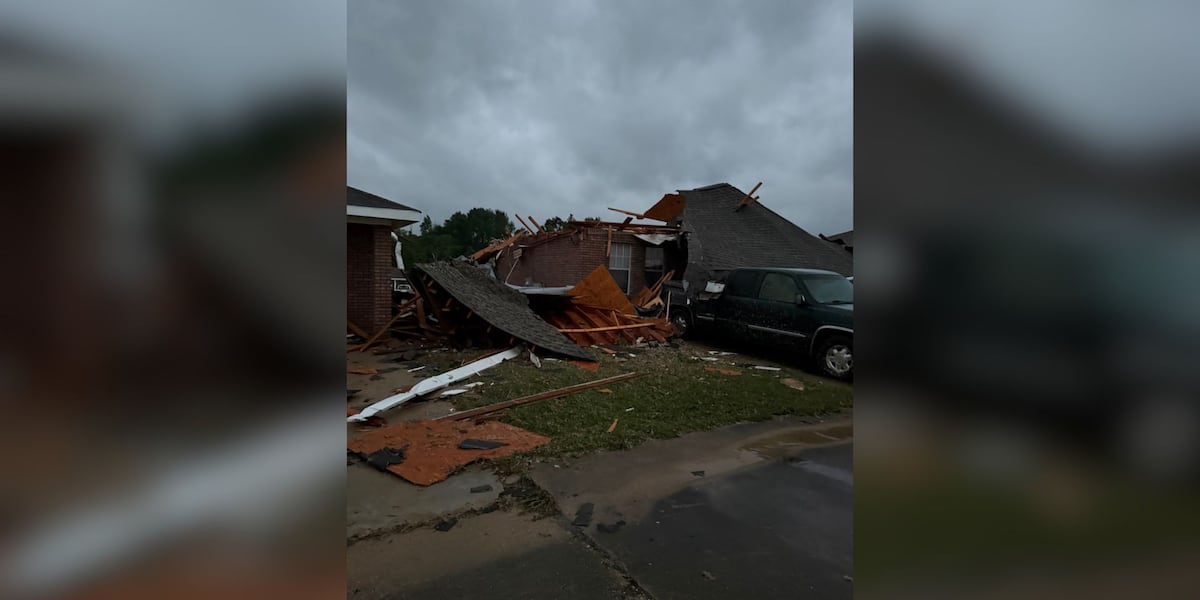
Recent severe weather across Mississippi and Alabama—characterized by violent tornadoes and frequent lightning—has exposed structural fragilities in regional utility and educational systems. The reliance on centralized power distribution, notably systems managed by the Dixie Electric Power Association, represents a primary point of failure during high-intensity atmospheric events.
When these networks sustain damage, the resulting cascade of outages necessitates labor-intensive restoration. That over 1,500 customers remained without power overnight highlights the operational limitations of current grid maintenance protocols when confronted with localized, high-impact destruction.
Educational Continuity and Institutional Resilience
The decision by Lamar Christian School to suspend operations exemplifies the cascading economic consequences of infrastructure failure. Beyond immediate physical damage, the loss of reliable power serves as a total constraint on institutional functionality, forcing a cessation of services until safety standards are reinstated.
Similarly, operational adjustments by Lamar County Schools—including delays and restricted bus routes—demonstrate the logistical complexity of managing public services amidst debris-laden transit corridors. These decisions prioritize student safety over strict academic adherence, acknowledging that downed power lines and roadway obstructions pose significant risks to fleet safety.
Emergency Management and the PDS Protocol
The National Weather Service’s ‘Particularly Dangerous Situation’ (PDS) classification signals an escalation in public safety protocols, reserved for events where catastrophic damage is highly probable. This designation mandates immediate, decisive action from both authorities and the public.
Regional storm shelters, such as those utilized in the Pine Belt, serve as essential buffers against storm cell unpredictability. However, the efficacy of these shelters remains contingent upon the speed of public response, which is dictated by the efficiency of notification systems and the capability of local infrastructure to facilitate mass movement.
Operational Friction from Storm Debris
Debris-blocked highways create secondary operational friction, obstructing search and rescue efforts and delaying utility repair crews. This physical obstruction isolates communities, transforming localized damage into a broader regional logistical challenge that requires extensive inter-agency coordination. The financial burden on local municipalities—balancing immediate response costs with long-term infrastructure repair—often necessitates external support, as the scale of these events frequently exceeds baseline local capacity.
Strategic Implications for Future Preparedness
The recurring nature of severe weather in the Pine Belt necessitates a fundamental reevaluation of urban planning and infrastructure hardening. The strategic imperative is to reduce the duration of outages and the extent of transit disruption through improved resource allocation.
Integrating advanced meteorological modeling offers a path toward more precise, localized warnings. By refining predictive capabilities, authorities can better optimize resource deployment, reducing exposure windows for critical infrastructure assets. The events of May 6 illustrate the tension between the volatility of severe convective storms and the relative rigidity of physical infrastructure. Institutional adaptability—marked by flexible scheduling and robust communication—remains the key determinant of resilience.