Global Observances Reinforce Nursing’s Vital Role and Corporate Support
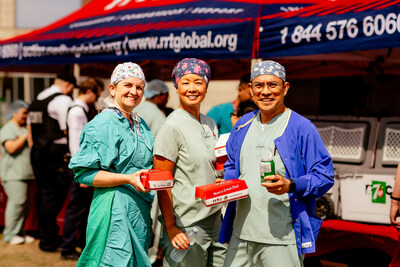
International Nurses Day, observed annually on May 12th, is being globally recognized through extensive events and corporate acknowledgments, underscoring the indispensable role of nurses in healthcare delivery. The Rapid Relief Team (RRT), an initiative of the Plymouth Brethren Christian Church, is leading month-long appreciation events across North America throughout May. These efforts involve RRT volunteers partnering with hospitals to provide meals and refreshments, a tangible gesture aimed at recognizing the dedication of frontline healthcare professionals.
RRT’s initiative targets engagement with 500 volunteers across 15 locations, with a goal to serve over 10,000 meals to nurses and hospital staff. Wes Macdonald, RRT N.A. Operations Manager, highlighted International Nurses Day as a critical opportunity to acknowledge nurses’ vital community contributions. This broad corporate and charitable engagement signifies recognition of operational strains on healthcare providers, seeking to bolster morale and mitigate burnout risks.
The historical context of International Nurses Day, originating to commemorate Florence Nightingale’s birth, traces its roots in acknowledging nursing’s impact. Established in the US in 1965 and managed by the International Council of Nurses (ICN) since 1974, the day spotlights nursing’s significance in healthcare. The ICN’s 2026 theme, ‘Our Nurses. Our Future. Empowered Nurses Save Lives’, directly addresses the need for enhanced support and empowerment, framing it as a strategic imperative for healthcare institutions and policymakers.
St Wilfrid’s Hospice in Chichester exemplifies this dedication, focusing on specialized end-of-life care delivered by highly skilled nurses. Their commitment highlights the diverse and critical areas of nursing influence, from acute care to palliative services, acknowledging the varying demands and expertise across different healthcare environments.
The hospice’s 365/7 operational model demonstrates the continuous demand for nursing expertise and the inherent resilience of its staff. This sustained operational tempo underscores nursing’s fundamental structural importance to healthcare continuity, with external recognition reinforcing the professional value and societal reliance on these services.
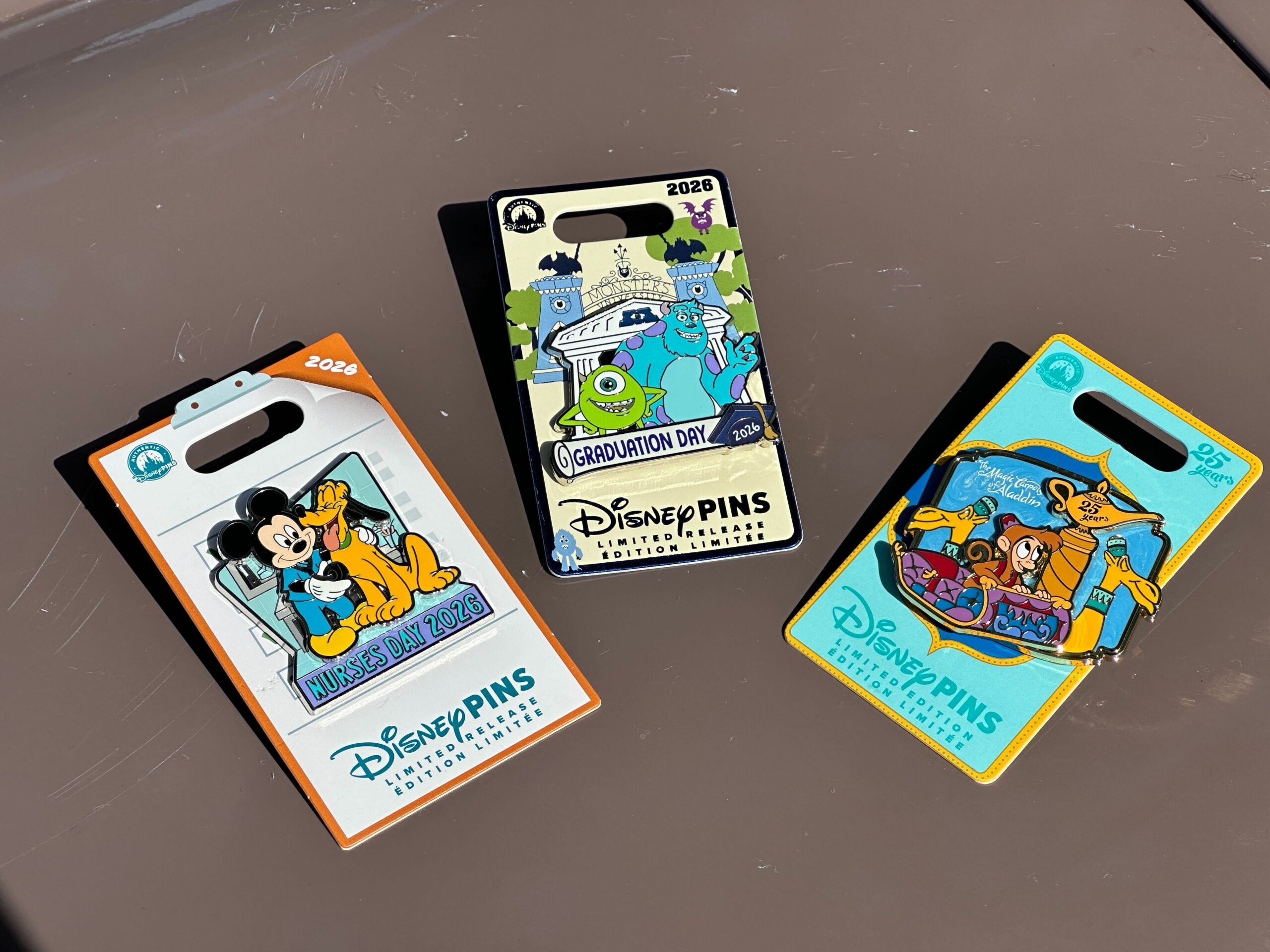
Corporate entities are also leveraging the occasion for product-related promotions. Walt Disney World has introduced limited-edition pins for Nurses Day 2026, alongside pins celebrating ‘The Magic Carpets of Aladdin’ 25th anniversary and Graduation Day. Available across parks and Disney Springs, these represent commercial integration of cultural observances, tapping into consumer interest for commemorative merchandise.
The ‘Nurses Day 2026’ pin, featuring Mickey Mouse in nurse scrubs, and the ‘Magic Carpets of Aladdin’ 25th Anniversary pin exemplify how brands can align with public sentiment. The limited edition nature, such as a 2,000-unit run for the Aladdin pin, creates scarcity and collector value, appealing to Disney enthusiasts and pin collectors, reinforcing brand loyalty through shared experiences.
For Walt Disney World, this strategy capitalizes on diverse market segments and cultural moments. Offering themed pins diversifies merchandise, broadens audience appeal, and enhances guest experience by providing tangible mementos that link personal milestones and public observances with the Disney brand, thereby strengthening customer relationships and brand equity.
The coordinated retail strategy for these limited-release and limited-edition pins across Walt Disney World parks and Disney Springs aims to maximize exposure and sales. Key retail points like Frontier Trading Post and Disney Traders are strategically located in high-traffic areas to capture impulse purchases and dedicated collector interest, integrating merchandise into the broader visitor experience.
The pricing strategy for these items, such as $24.99 for the ‘Magic Carpets of Aladdin’ pin and $21.99 for the ‘Nurses Day’ and ‘Graduation Day’ pins, reflects a premium for collectibles. Limited production runs are designed to create perceived value and exclusivity, a common tactic in the collectibles market to drive demand and profit margins.
The Rapid Relief Team’s incentive stems from its identity as the charitable arm of the Plymouth Brethren Christian Church, prioritizing community service and humanitarian aid. Their support for nurses aligns with broader philanthropic objectives, enhancing public profile and operational reach through mission-driven initiatives.
For healthcare institutions, RRT’s support offers valuable, albeit supplementary, recognition. While not a substitute for systemic improvements in compensation or working conditions, these events provide a morale boost, acknowledging the immense pressure on nursing staff and highlighting the role external organizations can play in supporting healthcare personnel.
The theme ‘Our Nurses. Our Future. Empowered Nurses Save Lives’ carries strategic weight, calling for investment in nursing education, professional development, and improved working environments to ensure a sustainable workforce. This framing emphasizes that the future of healthcare is intrinsically linked to the empowerment and well-being of nursing professionals.
The International Council of Nurses’ role in organizing the day since 1974 underscores global coordination and advocacy efforts, providing a platform for awareness, best practices, and influencing policy worldwide. Their sustained engagement signifies the enduring importance of advocating for nurses and healthcare quality.
The dual-pronged approach of International Nurses Day celebrations, involving RRT’s direct support and Disney’s commercial engagement, contributes to raising the visibility and perceived value of the nursing profession. These distinct strategies collectively enhance public recognition.
The operational impact on hospitals is primarily enhanced staff morale and tangible external appreciation. Logistical coordination for meal services is manageable, with the overall benefit being positive reinforcement for staff facing demanding workloads, potentially influencing retention and job satisfaction.
The financial implications for RRT involve resource allocation for volunteer coordination, food procurement, and logistics. As a charity, their funding likely derives from donations, with the scale of their North American operation suggesting significant investment and community goodwill as a return.
For Walt Disney World, limited-edition pin releases are calculated business decisions. The cost of design, production, and marketing is weighed against potential revenue and broader benefits of brand engagement. Success depends on market demand, perceived value, and promotional effectiveness across their retail network.
The competitive landscape for commemorative merchandise is robust. Disney’s strategy of aligning with cultural events and anniversaries differentiates offerings and taps into collector communities. Limited release designations are critical marketing tools for driving demand and exclusivity.
The broader economic impact touches upon food service through RRT events and retail/collectibles through pin sales. The focus on nursing also highlights the economic importance of the healthcare workforce, influencing discussions on labor, training, and human capital investment.
RRT’s strategic decision to extend recognition throughout May, rather than confining it to a single day, reflects an understanding of sustained pressures on nurses. This month-long approach allows broader participation and signals a commitment beyond perfunctory acknowledgment, aiming for impactful, sustained support.
Healthcare delivery is inherently reliant on nurses’ consistent performance. Events like International Nurses Day and corporate responses serve as societal mechanisms for reinforcing this foundational profession’s value. Diverse entity engagement reflects a broad consensus on nursing’s importance.
The emphasis on ’empowered nurses’ in the 2026 theme signals a growing recognition of the need for greater autonomy, professional development, and supportive work environments. This imperative focuses on ensuring the future capacity and effectiveness of the nursing workforce, recognizing nurses as critical decision-makers and leaders requiring investment in their growth.
The operational continuity of healthcare, especially in specialized fields like end-of-life care as highlighted by St Wilfrid’s Hospice, relies on sustained nursing commitment and expertise. The 365/7 model underscores the 24/7 nature of healthcare needs and the dedication required, placing a premium on resilience, skill, and compassionate care.
The introduction of themed pins by Walt Disney World, while commercial, serves to normalize and celebrate diverse professions within its entertainment ecosystem. Creating a ‘Nurses Day’ pin implicitly acknowledges nursing’s societal importance, integrating it into the brand’s narrative of achievement and celebration, fostering positive public perception.
The limited edition and limited release nature of Disney pins are critical for market positioning, creating urgency and exclusivity for collectors. This is a well-established method in the collectibles market to drive demand and command premium prices.
The underlying incentive for RRT is to fulfill its charitable mission by supporting essential service roles, aligning with its ethos of community support. Providing meals offers immediate relief and a tangible signal of appreciation for demanding work.
The strategic decision by healthcare facilities to partner with organizations like RRT highlights the need for external support to bolster staff morale. External partnerships can amplify appreciation initiatives, leveraging organizational strengths for greater impact.
The theme ‘Our Nurses. Our Future.’ implies a long-term strategic vision for nursing, emphasizing that investing in nurses today is crucial for future population health. This perspective shifts focus to sustained support, professional development, and systemic improvements benefiting the profession and healthcare outcomes.
The global advocacy of the International Council of Nurses shapes international standards and promotes nursing’s contribution to global health. Their continuous efforts ensure nurses remain central to healthcare policy and public health initiatives worldwide.
The convergence of charitable, commercial, and advocacy efforts around International Nurses Day highlights the multifaceted importance of the nursing profession. These engagements collectively reinforce the critical role nurses play and underscore the ongoing need for their support and empowerment.
Operational demands on nurses are constant, making recognition and support valuable for morale and burnout prevention. RRT’s month-long initiative, providing tangible resources like meals, directly addresses these realities.
The financial model for limited edition collectibles, employed by Disney, relies on creating perceived value through scarcity to maximize profitability by appealing to collectors’ desire for unique items.
The strategic focus on empowering nurses, as highlighted by the 2026 theme, signals a necessary evolution in how the profession is perceived and supported, critical for future healthcare system strength and adaptability.
The institutional commitment of St Wilfrid’s Hospice to recognizing nursing excellence underscores the diverse and essential functions performed by nurses, highlighting the unwavering need for their expertise.
The global coordination of International Nurses Day by the International Council of Nurses ensures a consistent message of appreciation and advocacy, reinforcing nurses’ vital contribution to global health outcomes.