Clinical Pathology and Diagnostic Challenges
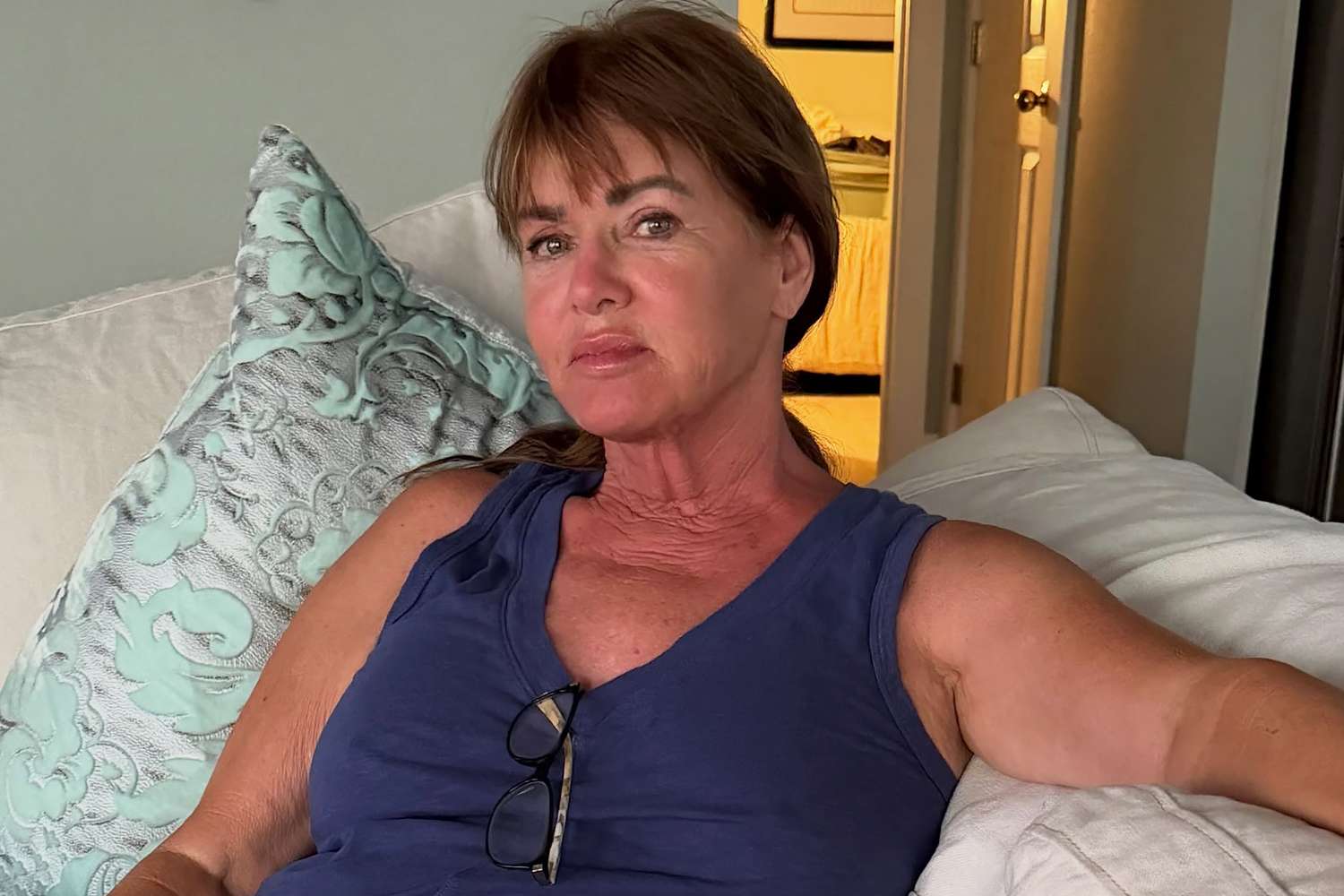
The diagnosis of squamous cell carcinoma of the tongue in former The Real Housewives of Orange County star Jeana Keough underscores the diagnostic risks inherent in oral oncology. Initial symptoms, often misattributed to mechanical irritation or dental alignment issues, can delay the identification of malignant tissue. In Keough’s case, the transition from a biopsy to multi-stage surgical intervention highlights the aggressive nature of the disease and the subsequent need for complex, multi-modal oncological care.
Multi-Modal Therapeutic Requirements
Keough’s treatment regimen—a combination of chemotherapy, radiation, and immunotherapy—aims to manage both the primary tumor site and potential metastatic spread. This systemic approach is physically taxing, particularly regarding nutritional maintenance and recovery. The severe side effects often associated with head and neck cancer treatments, such as fatigue and compromised oral integrity, necessitate a highly coordinated supportive care model involving specialized nutritionists and oncology clinicians.
Financial Burden and Crowdfunding as a Healthcare Proxy
The use of digital crowdfunding to offset high-deductible healthcare costs reflects a growing trend where patients rely on social capital to bridge significant funding gaps. For public figures, these platforms transform personal health narratives into community-mobilized support networks. The involvement of peers, such as Vicki Gunvalson, illustrates how professional social capital is leveraged to mitigate the ancillary expenses that frequently exceed standard insurance coverage.
Strategic Communication and Public Privacy
The family-led disclosure of Keough’s diagnosis represents a strategic shift in how reality television personalities manage health narratives. By controlling the information flow, the family maintains agency over the public perception of the illness while simultaneously utilizing digital engagement to address immediate financial needs. This transparency serves to humanize the subject, shifting the public focus from the television persona to the complex realities of geriatric medical management.
Institutional Vulnerabilities
Keough’s experience highlights critical structural gaps in healthcare for patients in the 70-plus demographic. Beyond the oncology treatment itself, the reliance on informal support networks for logistical, administrative, and emotional labor emphasizes the heavy burden placed on family caregivers. The case serves as a poignant reminder that medical outcomes remain unpredictable, reinforcing the ongoing necessity for more robust, accessible institutional support systems to manage the complexities of late-stage cancer treatment.