Orbital Mechanics and Atmospheric Interaction
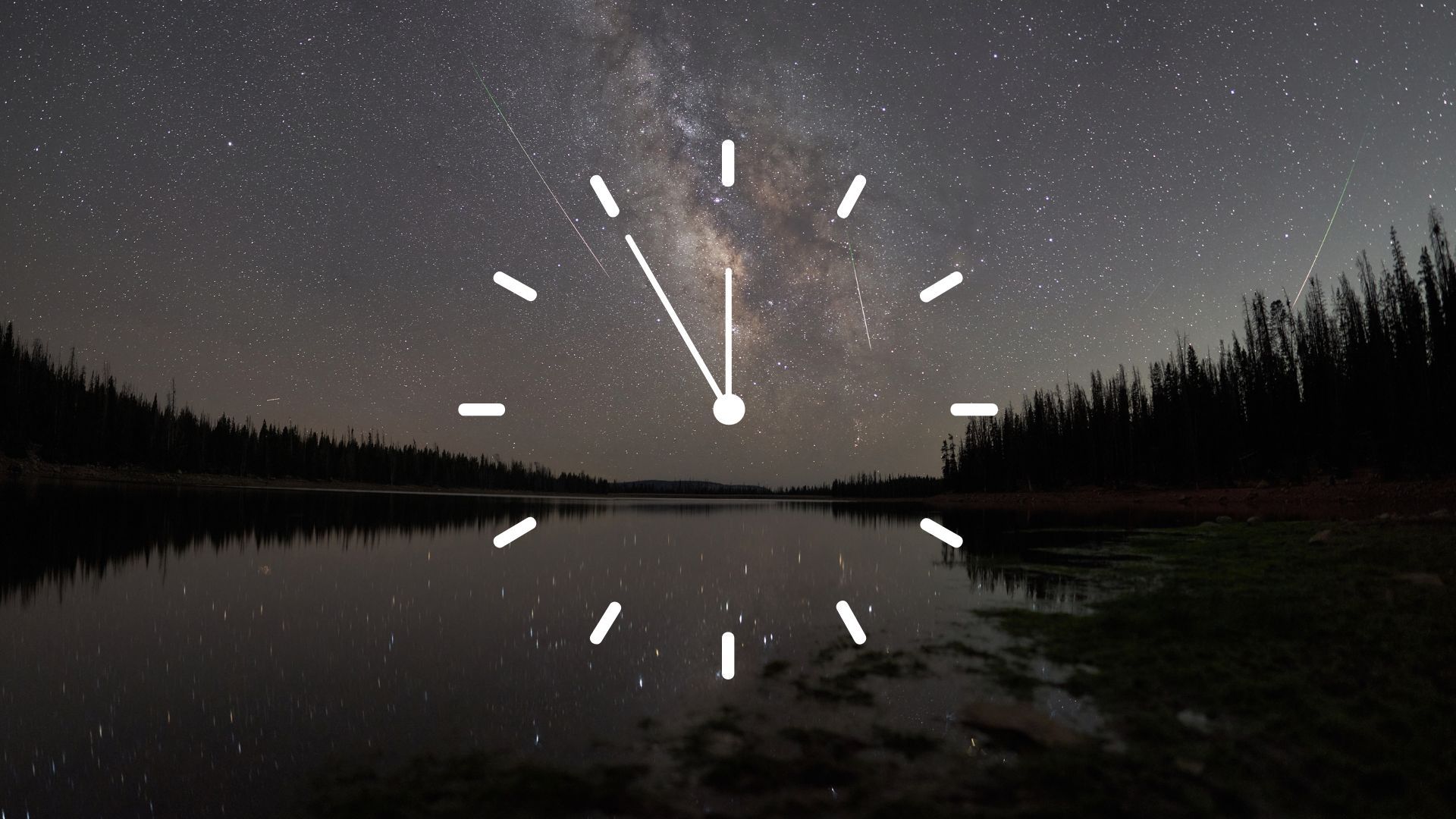
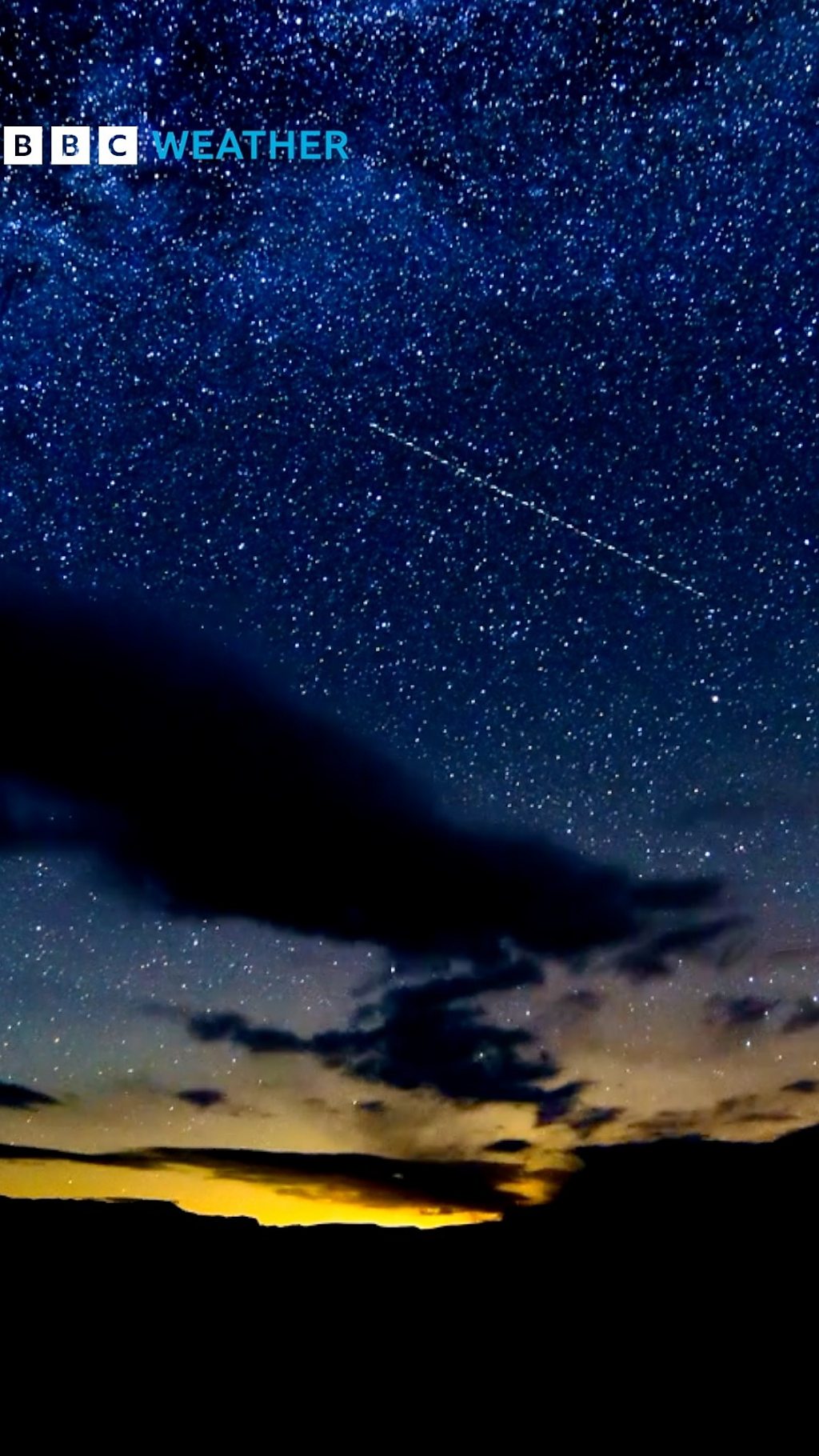
The Eta Aquarid meteor shower results from Earth crossing the particulate debris stream shed by 1P/Halley. These particles, remnants of the comet’s historical mass-loss events, strike Earth’s upper atmosphere at high velocities. The kinetic energy from these interactions causes air ionization, manifesting as visible meteor streaks. The stream’s spatial density directly dictates the Zenithal Hourly Rate (ZHR), reflecting the structural decay of the parent comet over millennia.
Temporal Dynamics and 2026 Peak Projections
The 2026 active window spans April 19 through May 28. Scientific modeling indicates a peak intensity occurring during the night of May 5–6. Precise observation depends on the radiant point’s altitude; the optimal window occurs in the predawn hours when the radiant reaches its highest elevation, significantly increasing the probability of detecting meteors that would otherwise remain below the horizon or obscured by atmospheric extinction.
Geographic Constraints and Observational Yield
Observational success is intrinsically tied to the observer’s latitude. Southern Hemisphere locations, particularly near the tropics, experience the radiant at a higher zenith, yielding up to 50 meteors per hour. Northern Hemisphere observers face significant geometric limitations due to the radiant’s lower trajectory, typically restricting yields to 10–30 meteors per hour. These figures, supported by the American Meteor Society, necessitate precise logistical planning tailored to local geography.
Digital Instrumentation and Data Collection
Advances in consumer-grade sensor technology, exemplified by cameras like the Canon EOS R7, have enabled high-fidelity documentation of transient atmospheric phenomena. By leveraging long-exposure capabilities and high-ISO noise reduction, amateur astronomers now contribute effectively to longitudinal datasets. This decentralized data collection enhances existing institutional models regarding inner solar system debris environments and cometary composition.
Strategic Logistics for Targeted Observation
Successful documentation requires minimizing light pollution and maximizing atmospheric transparency. Observers must synchronize their sessions with the radiant’s rise, as the effective field of view is constrained by both the time of night and local horizon obstructions. Analyzing these variables remains critical for both empirical data collection and the operational monitoring of debris-rich zones affecting satellite trajectory safety.