Pelley Alleges Incompetence and Political Bias at CBS News
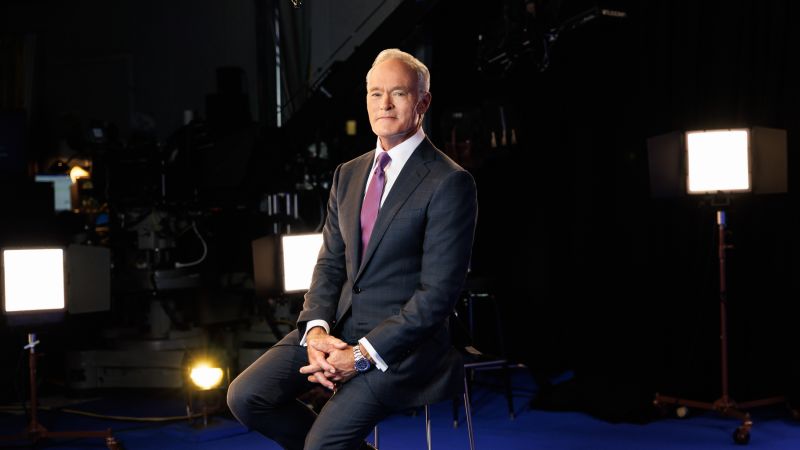
Veteran journalist Scott Pelley has publicly stated that “CBS News is on fire,” calling for the removal of its editor-in-chief, Bari Weiss. Pelley’s remarks, made in an interview with The New York Times following his dismissal from CBS on June 2, suggest deep-seated dissatisfaction with the news division’s current direction.
Pelley specifically accused Weiss of “putting a thumb on the scale” in favor of the Trump administration during the most recent season of “60 Minutes.” This alleged interference, he contends, undermined the program’s journalistic integrity. A CBS News spokesperson refuted Pelley’s claims, asserting no political interference occurred.
Beyond accusations of political bias, Pelley identified “incompetence” as a more significant issue plaguing CBS News, pointing to systemic operational or managerial deficiencies rather than solely external political pressures. The interview marks Pelley’s first public statement since his departure, signaling a refusal to accept recent controversial changes at “60 Minutes” without challenge.
The recent shake-up at “60 Minutes,” America’s most-watched news program, included the departure of executive producer Tanya Simon, several senior producers, and correspondents Cecilia Vega and Sharyn Alfonsi. This extensive personnel change, occurring in late May, precedes Pelley’s dismissal and suggests a broader strategic restructuring or internal conflict.
Pelley, who dedicated 37 years to CBS News, claims his conflict with Bari Weiss, who assumed leadership last October, was the catalyst for his termination. His interview detailed specific instances of alleged interference, including directives concerning coverage of an ICE officer involved in the death of Renée Good in Minneapolis.
According to Pelley, Weiss emailed his superior hours before a “60 Minutes” episode on the deaths of Renée Good and Alex Pretti was scheduled to air. The email, as paraphrased by Pelley, requested changes to the segment, including inquiries about portraying protesters as more violent and a directive to describe Renée Good as driving toward the officer. Pelley stated he does not possess the exact quote but conveyed its essence.
Further substantiating his claims, Pelley posted on Instagram on June 3, alleging that “New management has instructed me to inject falsehoods and bias into a politically sensitive story.” This statement, understood in the context of the Renée Good incident, highlights a direct conflict over editorial content and factual representation. Video footage of Renée Good’s final moments, released by CBS Evening News, reportedly does not support the claim that she was driving toward an officer.
Pelley’s allegations raise significant questions about editorial independence and the operational integrity of a major news network. His public statements, immediately following his dismissal, suggest a strategic effort to influence public perception and potentially exert pressure on Paramount, the parent company of CBS News.
Pelley’s hope that Paramount’s leadership will recognize that “this isn’t working” indicates a belief that the current management strategy is detrimental to the network’s reputation and journalistic mission. This sentiment highlights a potential capital markets risk for Paramount if investor confidence erodes due to perceived declines in journalistic standards or management effectiveness.
The alleged interference in the Renée Good story, if substantiated, could have profound consequences for CBS News’s credibility. Such actions, if proven, would represent a direct challenge to objective reporting principles and could lead to increased scrutiny from media watchdogs.
The strategic decisions by new leadership regarding editorial control and the handling of politically sensitive stories are under intense examination. The departure of a high-profile journalist like Pelley, coupled with his public criticism, creates a narrative of internal turmoil impacting talent retention.
The competitive landscape for broadcast news is increasingly challenging. Any perception of compromised journalistic integrity or managerial incompetence could significantly impact viewership and advertising revenue, affecting market share and financial performance.
Pelley’s reference to “incompetence” suggests issues rooted in systemic operational or managerial deficiencies, possibly due to a lack of experience or flawed strategic planning by current leadership. Such internal weaknesses can be exploited by competitors.
Financial incentives for news organizations are tied to credibility and audience trust. Deviations from these principles, especially when alleged by a respected figure, can trigger a loss of advertiser confidence and devalue the news product, impacting the parent company’s valuation.
Capital movement within the media sector is influenced by perceptions of leadership quality. If investors perceive mismanagement or compromised standards at CBS News, it could lead to divestment or reluctance to invest further, affecting the company’s ability to fund operations.
The performance leverage of news organizations relies on accurate, timely reporting. Allegations of bias and incompetence directly undermine this, suggesting the news division may be failing core objectives and potentially exacerbating problems through further management changes.
The broader media ecosystem is observing these developments, reflecting debates on journalism’s role in a polarized society and pressures on legacy media. Pelley’s statements and CBS News’s responses will shape industry discourse on editorial independence and corporate governance.
Impact on stakeholder trust is critical. Viewers, advertisers, and employees rely on perceived integrity. Public accusations by a prominent figure can damage this trust, leading to audience loss and a challenging environment for talent recruitment.
Strategic decisions concerning the editorial direction of “60 Minutes,” a program known for investigative journalism, are significant. Any perceived shift from rigorous, unbiased reporting towards a politically influenced approach could alienate its core audience and diminish its influence.
Competitors may capitalize on perceived weakness or loss of credibility at CBS News by highlighting their own commitment to journalistic standards, potentially redistributing audience attention and advertising revenue.
The institutional memory and established practices within CBS News are challenged by new leadership. Pelley’s critique suggests a fundamental disagreement with the current operational and editorial philosophy, a recurring theme in media evolution.
Paramount Global’s capital structure is indirectly affected by its news division’s performance and reputation. A strong, credible news operation contributes to brand value; conversely, allegations of mismanagement can depress valuations.
The performance leverage of “60 Minutes” stems from its ability to break significant stories. If its editorial direction is perceived as compromised, its leverage diminishes, impacting its long-term viability.
Potential downstream effects include increased scrutiny of editorial practices at other outlets and a heightened demand for transparency from consumers, potentially benefiting independent news organizations committed to journalistic principles.
Paramount’s response to these criticisms will signal its priorities. Addressing Pelley’s concerns directly or reaffirming its strategy will indicate its understanding of industry challenges. Capital allocation to the news division will also signal long-term commitment.
Incentives for news leadership balance journalistic ideals with commercial pressures. Pelley’s critique suggests commercial or strategic imperatives may be perceived as overriding journalistic ethics, creating significant tension.
Risk distribution falls on multiple stakeholders: Paramount faces reputational and financial risks; journalists risk compromised independence; the public risks biased information, with societal implications.
The historical context of “60 Minutes” as a bastion of investigative journalism means any perceived deviation carries weight. Pelley’s critique taps into this legacy, suggesting current leadership isn’t upholding historical standards, potentially leading to loss of brand equity.
Strategic implications for CBS News are stark: address alleged issues of incompetence and bias, or risk further erosion of credibility and market position. Rebuilding trust requires substantial capital investment.
CBS News’s competitive positioning is at stake. In an era of intense competition and polarization, maintaining a reputation for objective journalism is paramount. Pelley’s dissent challenges this directly.
The performance leverage of individual journalists within CBS News is impacted. Perceived undue influence or managerial incompetence can decrease morale and increase talent attrition.
Capital markets’ reaction to internal strife can be swift. Negative press and mismanagement allegations can sway investor sentiment, leading to stock price declines and pressure for changes.
The institutional framework of broadcast journalism relies on editorial autonomy and oversight. Pelley’s allegations suggest this balance is disrupted, impacting CBS News’s long-term health and societal role.
Bari Weiss’s incentives as editor-in-chief typically involve enhancing journalistic output. Pelley’s critique implies her actions have had the opposite effect, creating reputational damage.
Exposure to potential legal or regulatory challenges could arise if allegations of deliberately injecting falsehoods are pursued, impacting operational integrity and compliance.
A veteran journalist like Scott Pelley wields significant leverage through his voice and reputation. His public criticism amplifies the impact, creating a difficult narrative for the organization to dismiss.
Consequences for stakeholders are multifaceted: viewers question reliability, advertisers consider brand association, employees face uncertainty, and Paramount Global faces challenges to its media portfolio’s value and reputation.
Structural drivers of change in legacy media are undeniable, but Pelley’s critique points to internal management and editorial decisions as primary sources of distress, suggesting self-inflicted challenges.
Paramount’s strategic imperative is to address Pelley’s allegations and demonstrate commitment to journalistic integrity or risk further deterioration. Capital investment in rebuilding trust will determine future success.
The performance leverage of “60 Minutes” as a flagship program is intrinsically linked to its credibility. Perceived bias or incompetence erodes this leverage, impacting its ability to attract premium advertising.
Competitive dynamics mean perceived weakness can be exploited. Competitors may use these allegations to reinforce their claims of superiority, potentially drawing audiences and revenue away from CBS News.
The institutional legacy of CBS News faces a critical juncture. Decisions in response to these criticisms will define the organization’s future trajectory and role in the media landscape. Capital for this transition will be substantial.
Incentives for leadership to maintain journalistic standards are tested by the modern media economy. Pelley’s comments suggest these pressures may have led to compromises detrimental to the organization’s core mission.
Exposure of internal discord can have a chilling effect on journalistic ambition, highlighting risks to editorial integrity from external or internal pressures, influencing story selection and reporting.
A respected journalist like Pelley leverages his standing through public commentary, aiming to effect change, a powerful but risky tactic.
Consequences for the media industry include a renewed focus on editorial independence, ethical leadership responsibilities, and transparency in news production, bringing ongoing debates to the forefront.
The structural integrity of news organizations, built on trust and factual reporting, is directly challenged. Pelley’s allegations suggest this integrity is undermined, posing significant risk. Repairing such damage requires immense capital.
Strategic decisions regarding talent management and editorial direction are paramount. The perceived incompetence and bias indicate a misalignment between leadership’s vision and journalism’s principles, impacting competitive positioning.
A news division’s performance leverage is tied to its ability to deliver reliable information. When reliability is questioned, overall performance and market value diminish.
The competitive landscape allows rivals to exploit any faltering by a major player like CBS News, potentially leading to a strategic realignment of resources and talent.
Institutional challenges facing legacy media are significant; Pelley’s critique highlights how internal factors can exacerbate them. Adapting requires substantial capital and effective leadership.
Incentives for news executives to prioritize journalistic integrity over short-term gains or political expediency are a constant point of contention. Pelley’s statements suggest a perceived failure with potentially damaging consequences for reputation and financial health.
Deep-seated issues within CBS News can affect public perception of journalism and audience engagement, underscoring the systemic importance of the raised issues.
A seasoned journalist like Pelley uses public commentary as leverage, aiming to force a reckoning with alleged problems, indicating his belief in the severity of the situation.
Consequences for Paramount Global are substantial, as its news division’s reputation is critical to its brand value. Damage can affect investor confidence, advertising revenue, and talent acquisition.
The structural underpinnings of broadcast journalism, relying on trust and objective reporting, are challenged. CBS News’s long-term viability depends on effectively addressing these issues. Capital allocation will signal resolve.