Gary Lydon: A Veteran’s Enduring Influence on the Arts Ecosystem
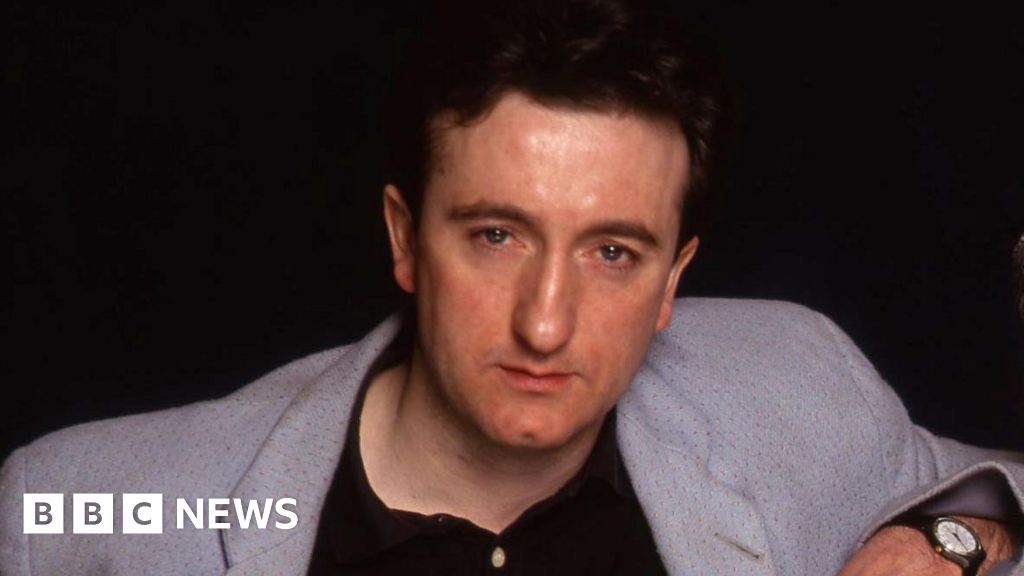
The passing of esteemed Irish actor Gary Lydon at 61 marks a pivotal moment for the national and international performing arts landscape. His decades-long career, characterized by profound commitment and versatile talent, underscored the critical operational and strategic value that seasoned character actors contribute to the complex ecosystem of film, television, and theatre. This analysis delves into Lydon’s trajectory as a lens to examine talent development, industry reliance on experienced performers, and the broader cultural implications of artistic legacy.
The Operational and Strategic Significance of the Character Actor Archetype
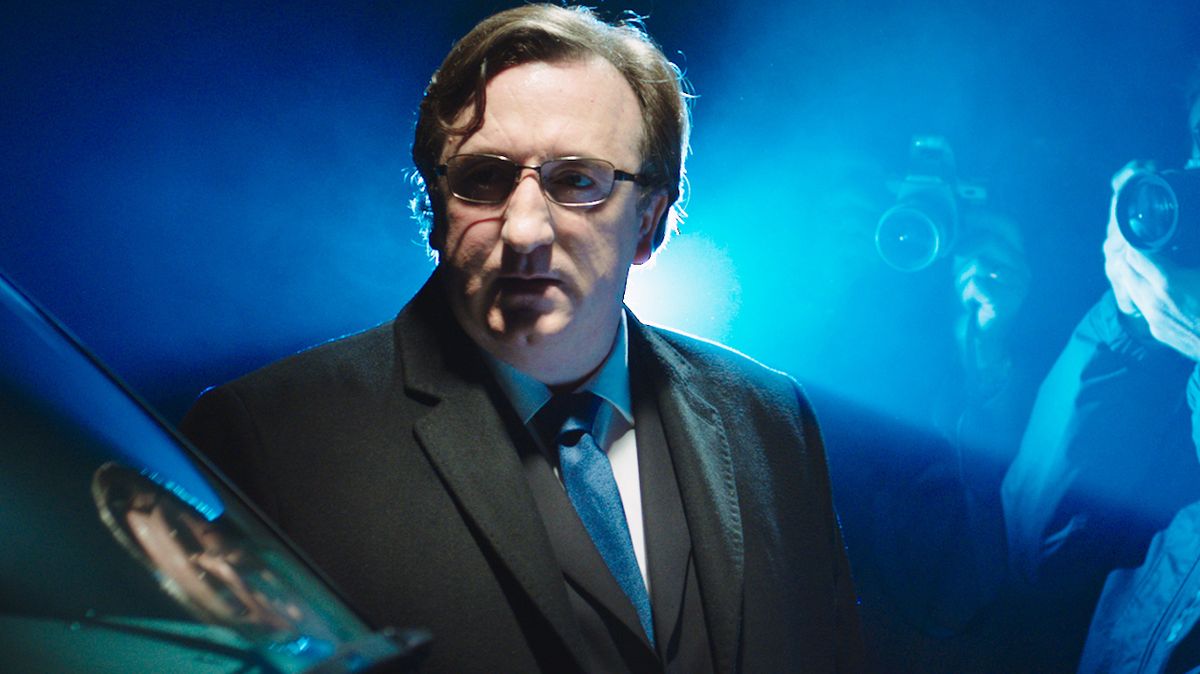
Gary Lydon epitomized the character actor, a professional niche essential for the structural integrity of any dramatic production. Distinct from lead actors, whose market value often stems from star power, character actors provide indispensable depth, authenticity, and narrative grounding. Lydon’s unparalleled ability to inhabit diverse roles, from the unsettling Garda Peadar Kearney in The Banshees of Inisherin to a convincing Brian Cowen in The Guarantee, showcased a strategic versatility vital for an industry demanding artistic integrity and operational reliability. This adaptability allowed him to seamlessly navigate genres and production scales, making him a consistently dependable asset for casting directors and producers seeking to imbue narratives with nuanced human experience and reduce casting risk.
From Regional Stages to Global Screens: Nurturing Talent and Adapting Professionally
Lydon’s professional genesis in Billy Roche’s Wexford Trilogy during the mid-1980s illuminates the critical role of regional arts institutions in talent incubation. The Wexford Arts Centre’s acknowledgment of his formative years emphasizes how such regional hubs provide vital environments for actors to hone their craft away from immediate commercial pressures, thereby developing the depth and resilience necessary for a sustained career. His subsequent strategic transition from celebrated stage work to a prolific screen presence, featuring in high-profile films like Calvary, The Guard, Brooklyn, and War Horse, alongside consistent television roles in series like RTÉ’s The Clinic, showcased remarkable cross-platform versatility. This broad appeal made him a valuable commodity, capable of contributing significantly to both independent Irish cinema and larger international productions, enhancing artistic credibility across diverse formats.
Legacy Beyond Life: Posthumous Impact and Professional Ethos
The timing of Lydon’s death, notably preceding the release of a film where he took a rare leading role, introduces complex dynamics. While details remain undisclosed, the posthumous debut of a significant final performance can profoundly influence audience reception and critical discourse, presenting both a marketing challenge and a unique opportunity for heightened media attention and potential award considerations. This situation poignantly underscores his professional ethos; producer David Collins described Lydon as a “demanding actor,” particularly on himself. Such a commitment to creative risk-taking and rigorous self-scrutiny is not merely a personal trait but an operational asset that elevates production standards, fostering an environment of excellence. His final stage appearance with his son, James Doherty O’Brien, in Of Mornington, further symbolizes the intergenerational transmission of craft and professional values, reinforcing the collective artistic heritage.
Cultural Resonance and Industry Sustainability: The Broader Implications
The departure of an actor with Lydon’s unique blend of experience, versatility, and authentic regional grounding creates a discernible void in the talent pipeline. For an industry increasingly prioritizing diverse and authentic storytelling, the ability to cast individuals who can genuinely embody specific cultural and geographical nuances is paramount. Lydon’s extensive body of work, deeply embedded in Irish cultural contexts, contributed significantly to articulating national identity through performance, shaping how Irish stories are told and perceived globally. Beyond the artistic, his three-decade-long career and consistent professional presence represented a stable, reliable workforce—a valuable human capital asset. Such established reputations contribute to the overall brand equity of national cinema and theatre, attracting investment and fostering international collaborations. His loss thus affects not only artistic output but also the broader economic vitality and artistic standing of the sector, challenging the industry to find comparable talent to maintain its creative and economic momentum.
Preserving a Multi-faceted Legacy
Lydon’s passing necessitates a re-evaluation of his artistic legacy, underscoring the imperative for cultural institutions and media organizations to ensure the preservation and accessibility of his performances. For film archives, theatre libraries, and broadcasting entities, this reinforces the strategic importance of digital preservation and contextual documentation, ensuring his contributions remain accessible for future generations of artists, scholars, and audiences. Furthermore, Lydon’s professional decision to adopt his mother’s surname subtly illuminates the interplay between personal identity and public persona in the arts, shaping his public recognition and the contextualization of his work, now an integral part of his enduring narrative.
Conclusion: An Enduring Mark on Irish Arts and Beyond
Gary Lydon’s death signifies a profound loss, yet his career leaves an indelible mark on the Irish and international performing arts. His journey, characterized by an unwavering commitment to craft, strategic versatility, and a foundational role in both regional theatre and mainstream productions, highlights the intricate dependencies within the arts ecosystem. His legacy will continue to influence industry standards, inform casting strategies, and enrich the ongoing narrative of Irish cultural contribution, cementing his place as a truly significant figure whose impact reverberates far beyond his lifetime.