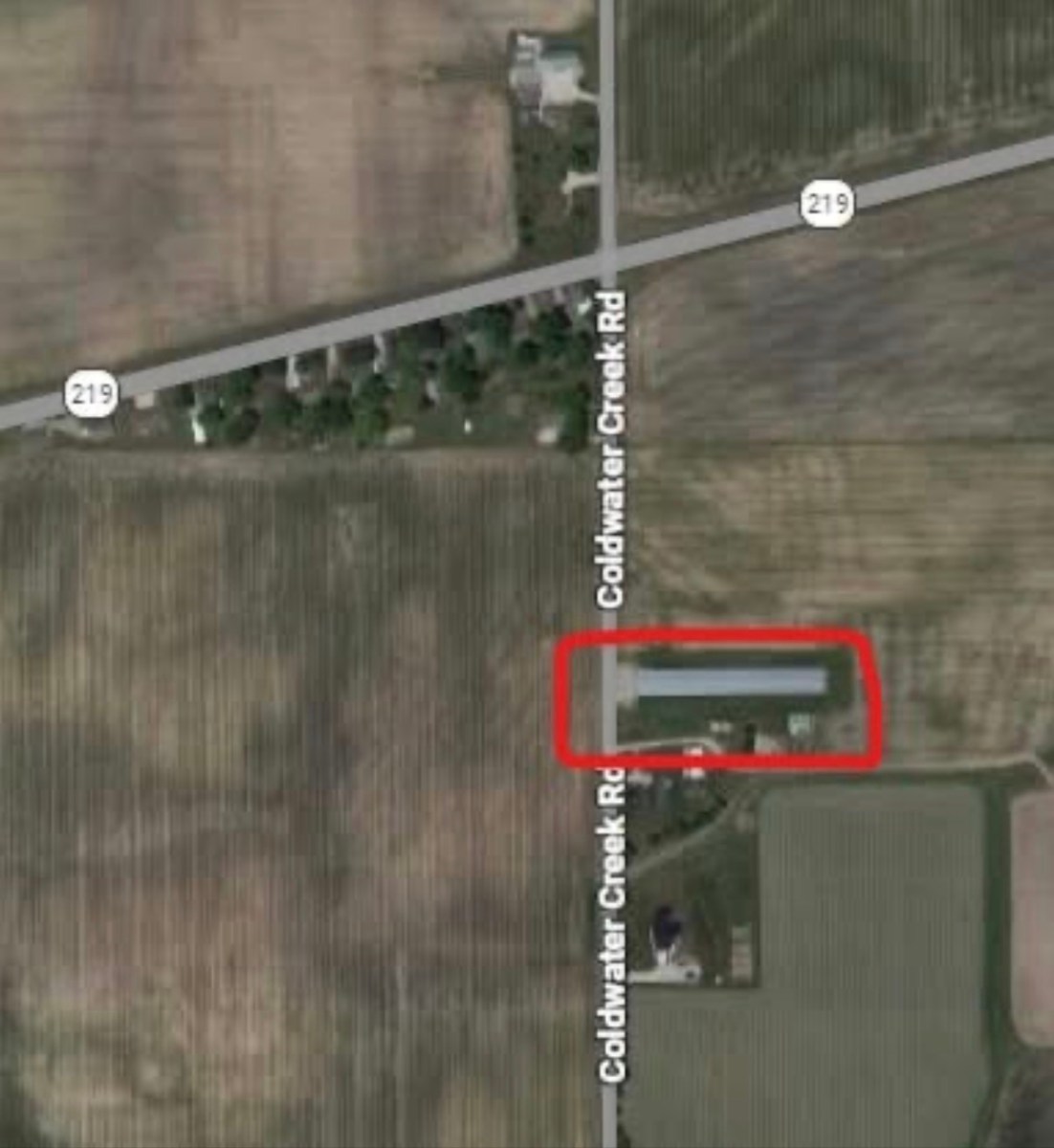
Logistical Footprint and Operational Execution
The theft of 64 Holstein calves from a Mercer County facility between May 2 and May 3 highlights a sophisticated level of logistical planning. Extracting over five dozen live assets within an eight-hour window requires more than opportunistic intent; it necessitates a high-capacity transport infrastructure, likely involving multiple large-scale livestock trailers. Given that 13-week-old weaned calves possess significant physical volatility, the perpetrators demonstrated advanced handling capabilities and a precise understanding of the facility’s operational rhythms near State Route 219 and Coldwater Creek Road.
The Economic Risk Profile of Contract Starting Facilities
The incident occurred at a repurposed poultry structure utilized as a calf-starter facility—a critical node in the dairy supply chain focused on the transition to solid feed. This custodial arrangement between Selhorst Farms and Gaerke Brother Farms illustrates the ‘concentrated risk’ inherent in modern agricultural partnerships. By consolidating high-value biological assets at a single third-party site, owners gain specialized efficiency but increase exposure to catastrophic localized loss. At 13 weeks, these calves represent peak sunk costs in specialized nutrition and veterinary care, making their removal a significant disruption to the long-term production pipeline.
Physical Identifiers and Illicit Market Liquidity
A primary deterrent to the liquidation of these assets is a specific physical marker: docked tails. This trait serves as a traceability hurdle, significantly narrowing the exit strategy for the perpetrators. In the highly regulated livestock auction ecosystem, such distinctive features create immediate friction, forcing thieves toward unregulated ‘gray market’ buyers. Because these calves are freshly weaned and biologically demanding, the window for profitable off-market disposal is rapidly closing, as their nutritional requirements outpace the utility of holding them in hiding.
Custodial Liability and Infrastructure Hardening
This breach mandates a re-evaluation of security protocols for converted agricultural assets. Historically, rural isolation served as a passive deterrent; however, the Mercer County incident confirms that operational efficiency must now be balanced with active asset protection. For the industry, this suggests a move toward digitized asset tracking and reinforced physical perimeters. The financial implications extend beyond the immediate loss of the 64 calves to include potential spikes in insurance premiums and a shift in how indemnity is structured within contract-raising agreements.