The Strategic Imperative: Managing Financial Risk and Institutional Identity
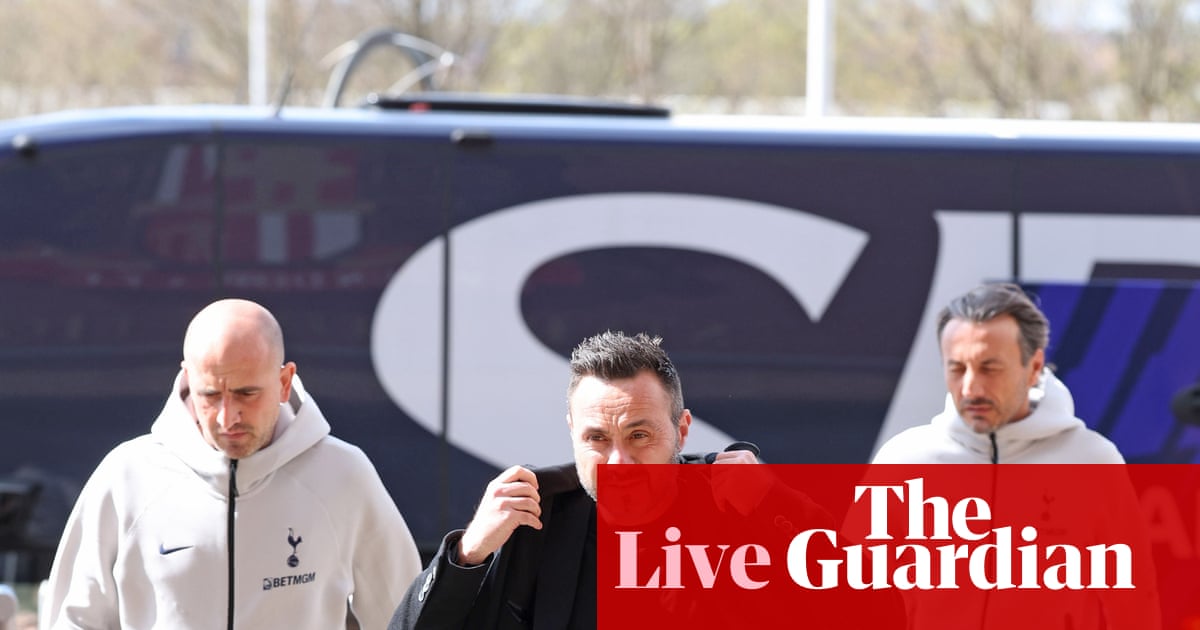
The appointment of Roberto De Zerbi as Tottenham’s new head coach represents a critical, high-stakes strategic intervention aimed at mitigating a severe performance crisis. The source explicitly frames the situation as a potential “biggest drop in PL history,” underscoring the unprecedented nature of the club’s current predicament. For a club with Tottenham’s recent stature and significant infrastructure investments, relegation from the Premier League presents profound financial and reputational consequences.
The financial ramifications extend beyond immediate revenue loss from drastically reduced broadcasting rights in the Championship. Relegation triggers a cascade effect on operational budgets, impacting everything from player wages to infrastructure investments. This loss of revenue would necessitate a significant revaluation of assets and potentially trigger clauses in player contracts, leading to a rapid depreciation of squad value and potential fire sales of key personnel. Beyond finances, the reputational damage associated with relegation would significantly complicate future sponsorship negotiations, damage brand equity, and make recruitment significantly more difficult.
De Zerbi’s arrival also creates a strategic alignment with the club’s motto, “To Dare is To Do,” reflecting a desire for a front-footed, high-risk tactical approach. However, the current context of a relegation battle fundamentally alters the risk-reward calculation associated with such a philosophy. The club’s leadership has prioritized this institutional identity even during a crisis, a strategic gamble that hinges on De Zerbi’s ability to quickly restore confidence and leverage his philosophy without exacerbating existing vulnerabilities.
Operational Constraints: Tactical Implementation Amidst Injury Depletion
De Zerbi’s immediate challenge is operational, constrained by a severe injury crisis that has depleted the squad of key playmakers and defensive anchors. The source confirms that core players, including Rodrigo Bentancur (midfield control) and Guglielmo Vicario (goalkeeping stability), are unavailable for the upcoming match against Sunderland due to significant surgeries. This forces De Zerbi to implement his tactical vision with a compromised starting lineup.
The injury list extends beyond these two key figures, with James Maddison, Deki Kulusevski, Wilson Odobert, Ben Davies, and Mo Kudus also sidelined. Maddison and Kulusevski, in particular, are central to the club’s offensive structure and creative output. Their absence significantly limits De Zerbi’s ability to implement the high-intensity, possession-based, and attacking style for which he is known. The new manager faces the immediate strategic dilemma of adapting his preferred system to a squad lacking key personnel or attempting to simplify tactics to secure points in a relegation battle. The source highlights a deeper cultural issue, noting that the squad’s low morale and physical depletion create a significant barrier to immediate performance improvement that extends beyond simple tactical execution.
Competitive Analysis: Precautionary vs. Punitive Managerial Strategies
The strategic challenges at Tottenham contrast sharply with managerial decisions across other Premier League clubs. The source provides context by detailing lineup changes at Nottingham Forest, Aston Villa, and Newcastle. Nottingham Forest’s manager Vitor Pereiera maintains a consistent lineup following a recent victory against Tottenham, indicating a strategy focused on continuity and momentum. Conversely, Aston Villa’s manager implements changes, suggesting a precautionary rotation strategy to manage player fitness during a congested schedule and maintain competitive positioning for European qualification.
The most telling contrast, however, lies in the strategic decisions made by Newcastle’s manager, Eddie Howe. The source notes that Howe’s changes are “more punitive than precautionary.” This distinction reveals a different approach to performance leverage. While other teams rotate players to manage physical load, Newcastle’s changes indicate a response to underperformance or tactical indiscipline. Benched players like Kieran Trippier and Harvey Barnes, replaced by Sandro Tonali and Lewis Miley, prioritize accountability and inject fresh energy. Tottenham’s situation, however, combines both elements: a need for immediate results (punitive changes) and the necessity of managing a depleted squad (precautionary measures), further complicating De Zerbi’s strategic calculus.