
FCBD 2026: Strategic Operational Shifts Driving Industry Evolution
Free Comic Book Day (FCBD) is slated for Saturday, May 2, 2026, marking another critical iteration of the annual initiative launched in 2002 to expand the appeal and accessibility of comic books. This event remains a paramount promotional platform, strategically leveraged by publishers to introduce new titles, diverse genres, and emerging intellectual properties to a global audience through an extensive network of participating retailers.
The 2026 observance, however, is notable for a distinct operational configuration diverging from prior years. Reports indicate a significant adjustment in the event’s primary coordination mechanism, signaling a potential recalibration of logistical and strategic responsibilities across the entire comic book ecosystem. This shift prompts a deeper analysis of the industry’s adaptive strategies to maintain FCBD’s efficacy.
Recalibrating Logistics: Implications of Facilitation Shifts
The reported change in FCBD’s chief facilitator introduces a critical point of analysis regarding the event’s structural resilience and adaptability. While specifics remain broad, this shift implies a strategic re-evaluation aimed at optimizing logistical efficiency and risk distribution within the intricate supply chain. Such a modification could lead to a more decentralized model, potentially empowering individual stakeholders while demanding greater autonomy in planning and execution.
For publishers, this may necessitate direct engagement with a more diverse array of retail partners or the adoption of new, potentially localized, distribution channels to ensure promotional titles reach their intended audience efficiently. The associated financial and operational burdens could shift, influencing the scale or scope of their contributions to the event and prompting innovative approaches to content dissemination.
Retailers, conversely, might experience altered procedures for ordering and receiving free comic books, requiring enhanced internal planning, resource allocation, and proactive communication. The success of FCBD at the local level will increasingly depend on individual store preparedness and their capacity to navigate these evolving guidelines seamlessly.
The long-term implications of such structural modification could yield a more diversified and perhaps more robust operational model for FCBD. By distributing coordination responsibilities, the event may become less susceptible to single points of failure, fostering greater innovation and responsiveness among its myriad participants, potentially leading to more localized and culturally resonant activations.
Market Expansion and Genre Diversification: Core Strategic Imperatives
At its core, Free Comic Book Day functions as a sophisticated strategic marketing initiative designed to expand the comic book market by lowering the barrier to entry for new readers. Publishers leverage the event to showcase emerging intellectual properties and highlight the breadth of storytelling available beyond established superhero narratives, thereby diversifying their revenue streams and audience demographics.
The emphasis on horror titles for 2026 exemplifies a deliberate strategy to target specific genre enthusiasts. This approach seeks to attract readers who may not typically engage with comics by offering content aligned with their existing interests in film, television, or literature, thus broadening the market’s demographic appeal and perceived versatility.
Adam Gallinat, Assistant Manager of Digital Heroes, a comic shop with over three decades of operation in Walla Walla, underscores this diversification, noting comics offer a "much deeper ocean to venture into" across genres like fantasy and horror. This perspective highlights the medium’s capacity for unique visual storytelling and artistic expression, distinguishing it from other entertainment forms and enhancing its competitive differentiation.
By presenting a wide array of genres, FCBD strategically positions comics as a comprehensive entertainment option, capable of delivering complex narratives and diverse artistic styles. This competitive differentiation is crucial in a crowded media landscape, where attention spans are fragmented across numerous digital and traditional platforms, demanding unique value propositions.
The investment by publishers in creating specialized free content for FCBD serves as a direct-to-consumer sampling mechanism, aiming to convert casual readers into long-term customers. This model relies on the premise that a positive initial experience with a free comic will lead to subsequent purchases of ongoing series or related merchandise, embodying a calculated risk for long-term customer acquisition.
Community Engagement and Institutional Leveraging for Literacy
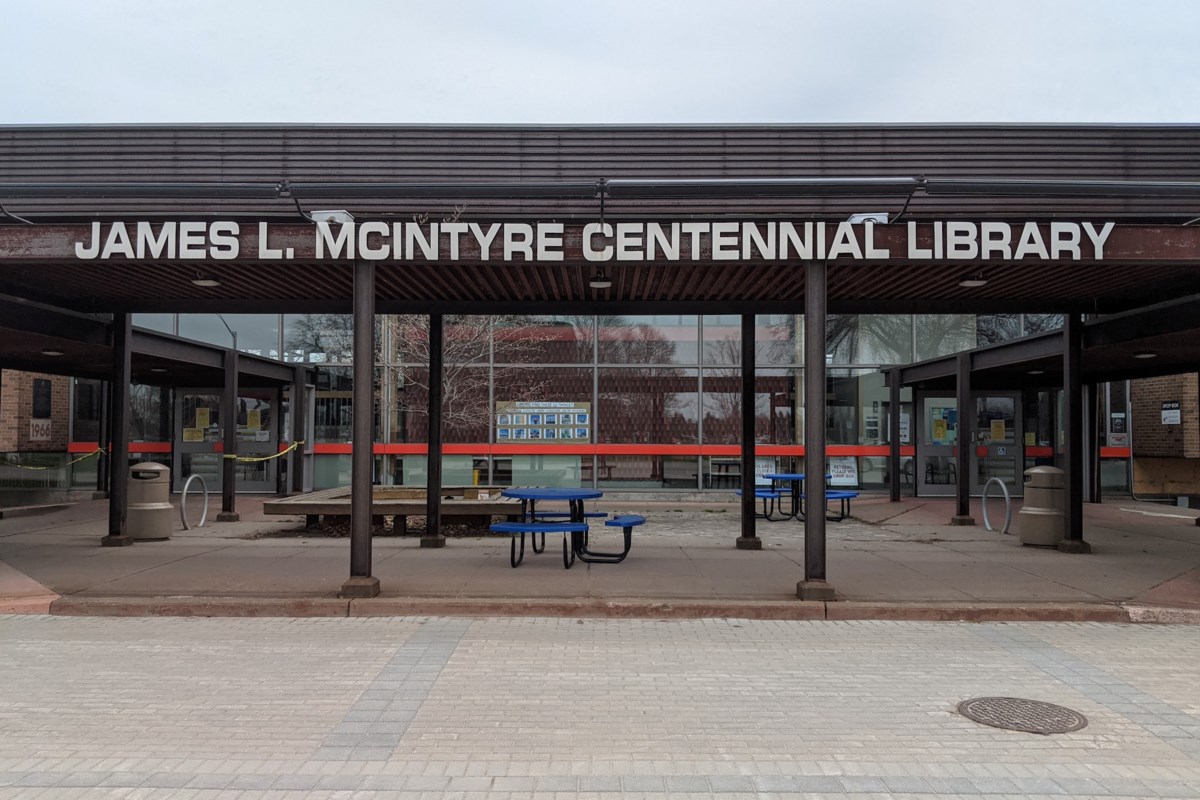
Beyond its commercial objectives, Free Comic Book Day has cultivated a significant role in community engagement and literacy promotion, exemplified by the participation of public institutions like the Sault Ste. Marie Public Library. Libraries strategically leverage the event to reinforce their mission of fostering reading, creativity, and intellectual development across all age groups.
The library’s involvement transforms FCBD into a broader cultural event, extending its reach beyond traditional comic shops and into accessible public spaces. This strategic partnership introduces comic books to individuals who might not otherwise visit a specialized retail outlet, thereby expanding the demographic base of potential readers and normalizing the medium as a legitimate form of literature.
By offering a free comic book to every patron, the library directly supports literacy initiatives, framing comics as a valuable tool for storytelling and visual comprehension. This approach aligns with educational objectives, demonstrating that diverse media can contribute significantly to intellectual development and imaginative engagement, fostering a lifelong love for reading.
For local businesses like Digital Heroes, participation in FCBD is a vital opportunity to strengthen community ties and share a passion for the medium. Owner Jeff Watson and Assistant Manager Adam Gallinat emphasize the enjoyment derived from introducing new individuals to the world of comics, underscoring the event’s role in cultivating a shared cultural experience and reinforcing local commerce.
The localized execution of a nationwide and international event highlights the critical importance of grassroots efforts in sustaining industry-wide initiatives. Individual comic shops and libraries act as crucial nodes in a distributed network, ensuring the event’s reach and impact resonate deeply within diverse communities, fostering a unique blend of global coordination and local authenticity.
Operational Dynamics and Consumer Experience Optimization
The operational specifics for FCBD 2026, as detailed by participating entities, underscore the practical considerations involved in executing a large-scale giveaway. The Sault Ste. Marie Public Library’s policy of one comic per patron, on a first-come, first-served basis while supplies last, reflects common logistical strategies for managing demand and ensuring equitable distribution.
These operational parameters are meticulously designed to ensure equitable access and manage inventory effectively, preventing stockouts while maximizing the number of individuals who can participate. Such measures are critical for maintaining a positive consumer experience, minimizing disappointment, and reinforcing the event’s promotional goals without overextending resources.
The anticipation of new horror offerings, alongside a general push for genre diversity, significantly influences consumer behavior by creating specific points of interest and driving targeted engagement. This content strategy encourages both dedicated fans and curious newcomers to visit participating locations, thereby increasing foot traffic and potential sales of other merchandise.
The enduring appeal of physical media, evoked by the nostalgic reference to video stores, plays a significant role in the FCBD experience. The tactile thrill of browsing aisles and discovering new stories in a tangible format remains a powerful draw, differentiating the event from purely digital consumption models and fostering a sense of ritualistic discovery.
This physical interaction with comic books, facilitated by local shops and libraries, reinforces the unique tactile and visual aspects of the medium. It allows for a deeper appreciation of diverse art styles and narrative structures that can be explored in ways distinct from film or television adaptations, offering a multisensory engagement.
The event’s global participation, encompassing the United States, Canada, and other regions, highlights a coordinated international effort to create a unified experience for comic enthusiasts worldwide. This broad geographic reach amplifies the event’s impact, positioning it as a significant annual fixture in the global entertainment calendar and a powerful vehicle for cultural exchange.
Leveraging Historical Patterns for Future Trajectories
Free Comic Book Day, initiated in 2002, has continuously evolved against a backdrop of significant shifts in media consumption and retail landscapes. Its continued existence and adaptation, including the reported operational adjustments for 2026, underscore the comic industry’s resilience, strategic foresight, and capacity for innovation.
The comparison to the "fondly remembered haven" of video stores for horror fans draws a compelling parallel to the enduring value of physical spaces for discovery and community building. FCBD adeptly capitalizes on this sentiment, positioning comic shops and libraries as modern-day hubs for cultural exploration and shared passion, fostering a sense of belonging.
This historical context reveals a recurring pattern in entertainment industries: the strategic use of free content to cultivate new audiences and sustain engagement with existing ones. From radio giveaways to digital freemium models, the principle of sampling remains a potent and proven tool for market development and customer loyalty.
The emphasis on the unique capabilities of comics—their visual depth, diverse art styles, and capacity for surreal narratives—reflects an industry confident in its distinct artistic merits. This positioning is vital for long-term growth, as it differentiates comics from other media that might adapt similar genres, highlighting its intrinsic value.
Looking ahead, the adjustments to FCBD’s facilitation model could serve as a blueprint for future industry-wide collaborations, fostering greater flexibility, distributed leadership, and localized responsiveness. This evolution might enable the event to adapt more rapidly and effectively to changing market conditions, technological advancements, and evolving consumer preferences.
Ultimately, Free Comic Book Day 2026 represents a dynamic interplay of strategic marketing, robust community engagement, and proactive operational adaptation. Its continued relevance and evolution demonstrate the comic book industry’s unwavering commitment to innovation and its capacity to thrive by connecting with audiences through both established traditions and forward-thinking practices.

Photo by beasternchen on Pixabay.