
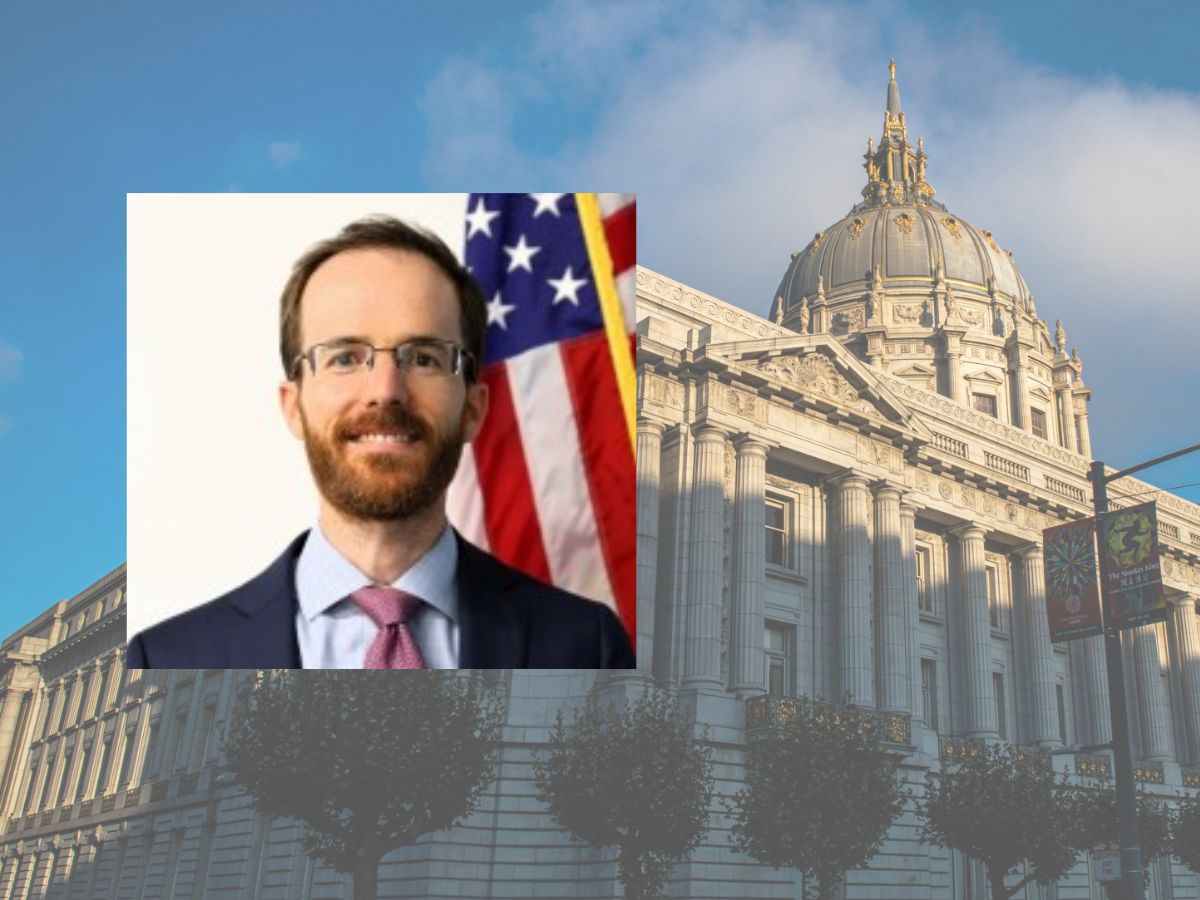
Strategic Realignment: From Municipal Management to Health Integration
The appointment of Michael Levine as Director of San Francisco’s Department of Homelessness and Supportive Housing (HSH) signals a fundamental shift in executive strategy. By recruiting a high-level Massachusetts Medicaid official, Mayor Daniel Lurie is pivoting away from traditional social service models toward a technocratic, health-integrated delivery system. This move treats the homelessness crisis not merely as a housing shortage, but as a complex public health challenge requiring sophisticated fiscal oversight and clinical coordination.
The Massachusetts Triad: A New Governance Pipeline
Levine’s arrival completes a strategic triad of Massachusetts alumni within the Lurie administration, joining Deputy Mayor for Health Kunal Modi and former federal Medicaid Director Dan Tsai. This ‘Massachusetts Nexus’ creates a direct policy pipeline, importing a state-level governance model known for its aggressive integration of healthcare funding and social determinants of health. This synergy is intended to dissolve the long-standing bureaucratic silos between HSH and the Department of Public Health (DPH), fostering a ‘continuum of care’ that pairs shelter placement with immediate psychiatric and addiction support.
Fiscal Accountability and Performance-Based Contracting
With experience managing MassHealth’s $23 billion budget and its network of tens of thousands of providers, Levine brings a level of institutional scale previously absent from HSH leadership. His mandate involves a rigorous audit of San Francisco’s fragmented non-profit ecosystem. The Lurie administration appears poised to transition toward performance-based contracting, utilizing data-driven metrics to ensure that the city’s multi-billion dollar investments yield measurable reductions in street-level homelessness and improved housing retention rates.
Operational Challenges: Translating Insurance Strategy to Street Reality
The primary strategic risk lies in the ‘outsider mandate.’ While Levine’s expertise in state-level insurance and resource optimization is extensive, he must now navigate the hyper-local complexities of San Francisco’s political, legal, and regulatory landscape. Success will depend on his ability to translate high-level fiscal strategy into ground-level operational control—managing immediate shelter capacity, outreach protocols, and the physical realities of the city’s permanent supportive housing stock under the scrutiny of the Homelessness Oversight Commission (HOC).
Conclusion: A High-Stakes Bet on Institutional Reform
The unanimous advancement of Levine by the HOC reflects a rare consensus on the need for structural change. By bypassing local candidates in favor of a technocrat with deep roots in federal and state health administration, Lurie is betting his political capital on the theory that San Francisco’s crises require a fundamental departure from established municipal norms. The ultimate metric of this leadership transition will be whether this clinical, data-centric approach can achieve visible progress where decades of local policy have stalled.

Photo by leandro_monsieur on Pixabay.