
Automakers Face Multi-Billion Dollar Threat from Off-Lease EV Glut
The electric vehicle (EV) market is confronting a substantial financial challenge as a large volume of off-lease vehicles nears the end of their contract terms. Industry projections forecast approximately 800,000 leased EVs returning to the resale market by 2028, representing a significant supply surge that could strain manufacturer balance sheets.
This impending influx of used EVs carries the potential for severe financial repercussions. Analysts indicate that many of these vehicles are depreciating at rates significantly exceeding initial residual value predictions made at lease inception. This disparity between projected and actual residual values could translate into substantial per-vehicle losses for automakers, estimated by some analyses to be as high as $10,000 per unit.
The cumulative financial impact for the industry is projected to be considerable, with estimates suggesting potential total losses approaching $8 billion. This figure underscores the scale of financial exposure automakers face from managing this large inventory of depreciated, off-lease assets.
Leasing Strategies Fueling the Used EV Supply Surge
The current oversupply is a direct consequence of aggressive leasing strategies employed to accelerate early EV adoption. Attractive low monthly payments, combined with government tax incentives and consumer uncertainty regarding battery longevity, incentivized many buyers towards shorter-term leases rather than outright purchases.
While effective in expanding the EV customer base, this leasing-centric approach has created a concentrated return of vehicles. The simultaneous conclusion of two- and three-year lease contracts is releasing large quantities of used EVs back to manufacturers, creating a significant supply-side imbalance and overwhelming remarketing channels.
The strategic decision to heavily leverage leasing as an adoption tool has thus created a substantial future liability. Automakers are now compelled to manage a large inventory of depreciated assets, a scenario departing sharply from the more predictable depreciation curves of internal combustion engine (ICE) vehicles.
Impact on New EV Sales and Market Dynamics
The burgeoning used EV market poses a significant threat to new EV sales growth. The increased availability of pre-owned electric vehicles across a wide spectrum of models and price points presents a compelling, lower-cost alternative for consumers.
Historically, new vehicles dominated sales, and for EVs, this meant first-time buyers often opted for new models due to limited used options. This dynamic fostered robust new EV market expansion. However, the current expansion of the used EV market fundamentally alters this landscape, potentially diverting demand away from new models and impacting manufacturer sales targets and inventory management strategies.
Accelerated Depreciation and Residual Value Erosion
A core issue driving the financial strain is the accelerated depreciation of EVs compared to traditional ICE vehicles. This faster aging process directly erodes the residual values that automakers factor into lease agreements and future resale projections.
The significant discrepancy between projected and actual residual values creates a financial gap that manufacturers must absorb. This is particularly acute for vehicles leased during periods when EV technology was less mature or consumer adoption was more uncertain, leading to inflated residual value estimates.
The strategic underestimation of depreciation rates on leased EVs exposes automakers to considerable financial risk, necessitating a recalibration of financial modeling and risk assessment for future product cycles and leasing programs.
Automaker Financial Exposure from Leasing Models
Automakers’ reliance on leasing to stimulate EV adoption has inadvertently created significant financial exposure. Lease agreements are predicated on anticipated future vehicle values, and miscalculations in these projections lead directly to substantial losses.
The potential for billions in losses highlights a strategic vulnerability in how the industry approached EV market penetration. Financial models underpinning these leasing programs did not adequately account for the rapid depreciation observed in the EV segment, especially as technology evolved and battery performance expectations shifted.
This situation compels a re-evaluation of leasing as a primary growth driver and necessitates more conservative residual value setting for future lease portfolios. The capital tied up in these rapidly depreciating assets also impacts liquidity and investment capacity for crucial future research, development, and production.
Competitive Landscape Reshaped by Affordable Used EVs
The influx of affordable used EVs will inevitably reshape the automotive competitive landscape. It introduces a new tier of competition that directly challenges the pricing and value proposition of new EVs.
Consumers previously priced out of the new EV market now have access to more budget-friendly options. This trend could lead to a market bifurcation, with a strong segment for used EVs and a potentially slower-growing segment for new ones. Manufacturers must adapt by adjusting new model pricing, offering aggressive incentives, or focusing on technological differentiation to justify higher price points.
Battery Longevity Concerns and Consumer Perception Impact
Lingering concerns about battery longevity, a factor driving some consumers towards leases, also contribute to the depreciation of used EVs. The perceived risk associated with the long-term health and potential replacement cost of EV batteries directly influences their resale value.
As battery technology advances and warranty structures evolve, the market’s perception of battery degradation will continue to shape residual values. Automakers that can effectively communicate battery health and offer robust, transparent battery warranties may mitigate some of these depreciation concerns.
The industry’s ability to address and alleviate consumer anxieties surrounding battery life and replacement costs is critical for stabilizing the used EV market and bolstering long-term confidence in EV ownership.
Regulatory and Incentive Impacts on Market Dynamics
Government incentives, while instrumental in driving initial EV adoption, also influence the used EV market’s dynamics. The expiration or modification of these incentives can affect the relative attractiveness of new versus used EVs.
For instance, if tax credits for new EVs are reduced or eliminated, the price advantage of used EVs could become significantly more pronounced, further stimulating demand in the pre-owned market. Policymakers must consider these downstream effects on the entire EV lifecycle.
Ensuring a stable and predictable market for both new and used EVs is essential for sustained industry growth and consumer confidence. This requires forward-thinking regulatory approaches that account for market evolution.
Operational and Inventory Management Hurdles
The sheer volume of returning leased EVs presents significant operational and inventory management challenges for automakers and dealerships. Processing, inspecting, and remarketing hundreds of thousands of vehicles demands substantial logistical and financial resources.
Automakers must develop efficient processes for handling these vehicles, including potential reconditioning and refurbishment to meet market standards. The cost associated with these operations adds to the overall financial burden of managing off-lease inventory.
Effective inventory management is crucial to avoid prolonged holding periods, which exacerbate depreciation. Strategic decisions regarding auction channels, direct sales, and fleet remarketing will determine the speed and efficiency of asset liquidation.
Future Strategic Adjustments for Automakers
The current situation mandates a fundamental strategic re-evaluation by automakers regarding EV market development and financial risk management. Over-reliance on leasing as a primary adoption strategy has proven to be a double-edged sword.
Future strategies will likely involve a more balanced approach, incorporating direct sales, flexible financing options, and more accurate residual value assessments. Automakers may also need to explore innovative business models to manage the lifecycle of their EV products more effectively.
The lessons learned from this impending used EV glut will undoubtedly inform future product planning, pricing strategies, and financial forecasting, aiming to build a more resilient and sustainable EV ecosystem.

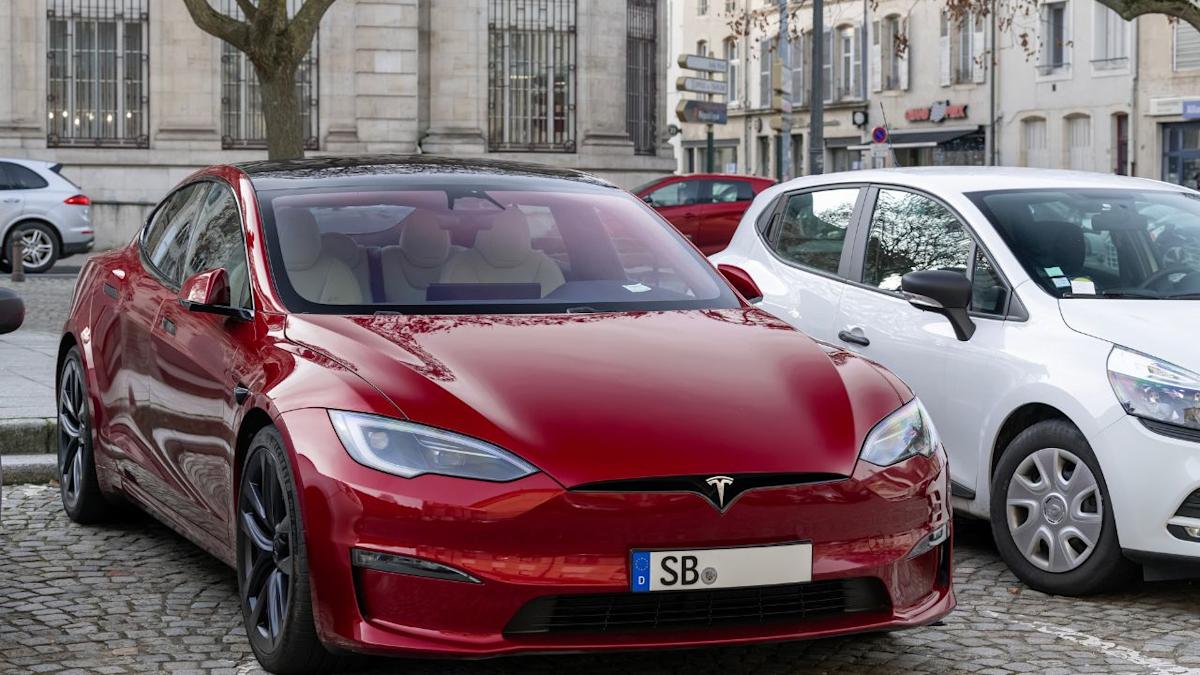
Photo by distelAPPArath on Pixabay.