Strategic Convergence: Agile Entertainment and Legacy Infrastructure
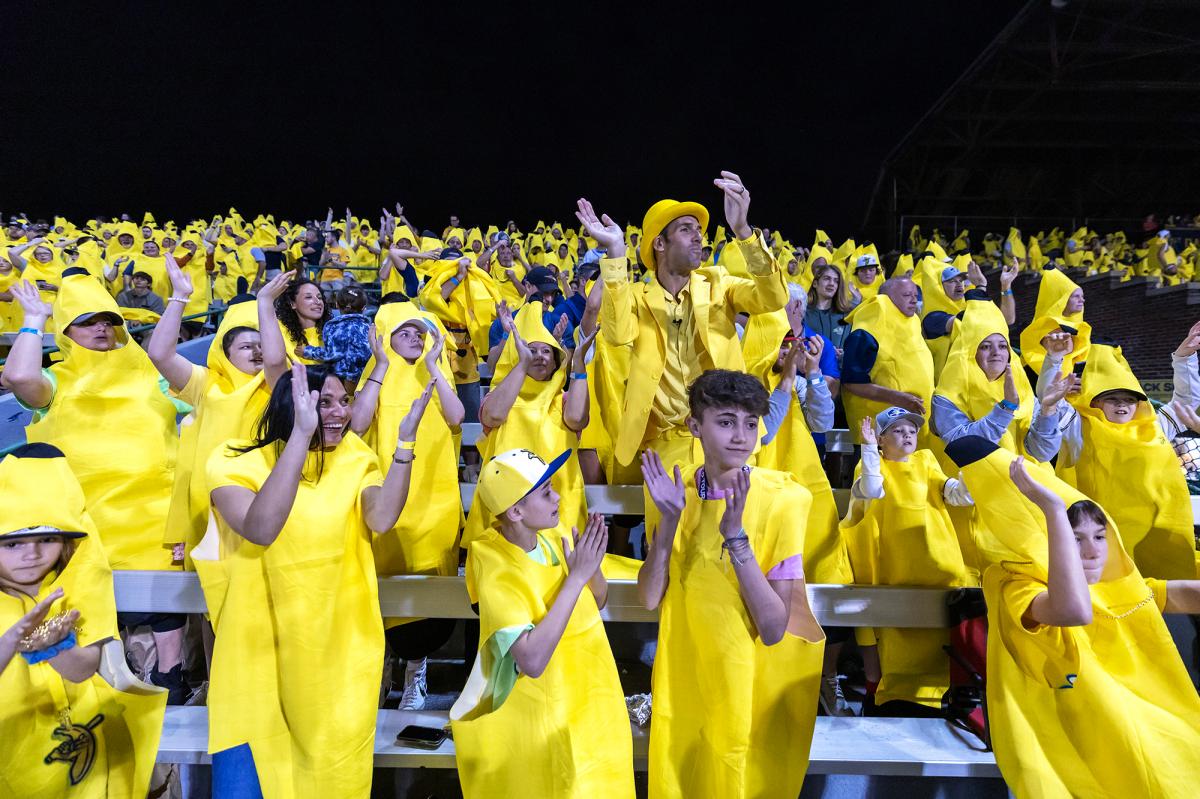
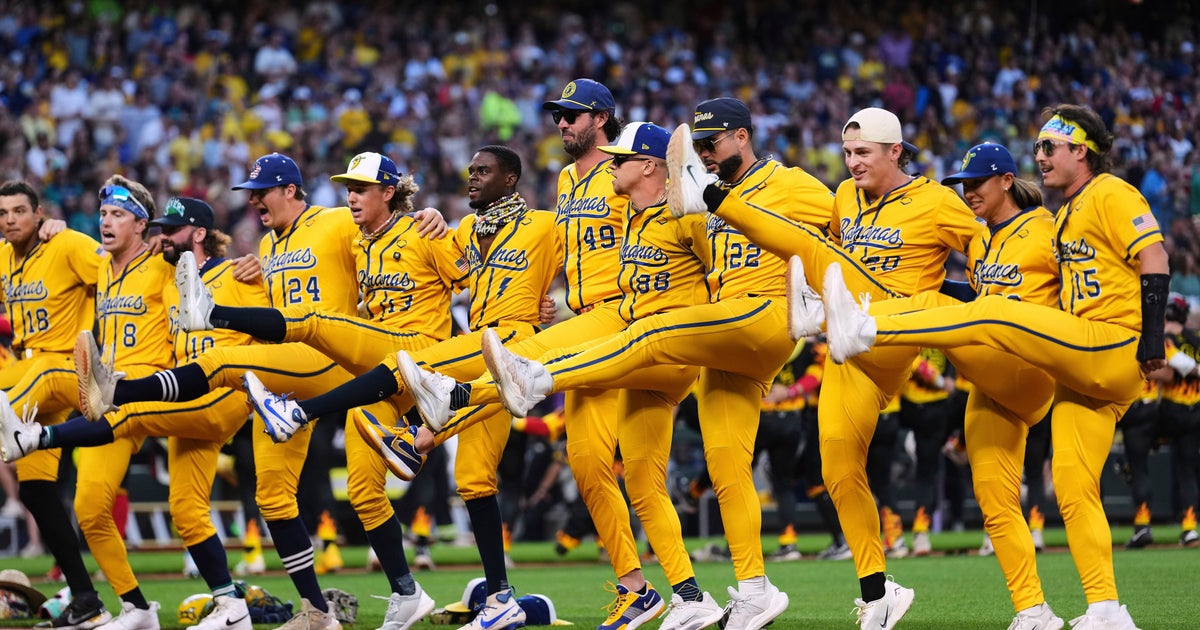
The deployment of the Savannah Bananas at Yankee Stadium signifies a critical convergence between traditional sports cathedrals and high-velocity experiential entertainment. This residency, characterized by immediate sell-outs, demonstrates a fundamental shift in stadium asset utilization. By commanding the same physical footprint as a legacy Major League Baseball (MLB) franchise, the Bananas illustrate a successful decoupling of brand equity from traditional institutional frameworks.
Operational elasticity was tested when meteorological disruptions necessitated rescheduling the Saturday performance to Friday evening. This maneuver required seamless logistical coordination between Fans First Entertainment and the New York Yankees organization to manage ticket validity and pedestrian flow. Such administrative agility underscores the complex infrastructure required to maintain event integrity within rigid metropolitan constraints while prioritizing consumer retention over operational convenience.
The Gastonia Blueprint: Capital Constraints as a Catalyst for Innovation
The Bananas’ business model originated during Jesse Cole’s tenure with the Gastonia Grizzlies, where critical capital depletion forced a radical departure from the minor league playbook. This period of institutional distress served as a laboratory for high-risk fan engagement experiments. The transition from an athletic-centric model to an entertainment-first philosophy allowed the organization to remove traditional barriers between the field and the stands, establishing a sustainable growth trajectory independent of team performance.
By redefining the core value proposition—positioning baseball as the backdrop for a broader spectacle—the organization bypassed market saturation. This evolution suggests that the ‘circus’ atmosphere is not merely cosmetic but a structural foundation that creates a proprietary, recession-resistant market niche. The ‘Gastonia Blueprint’ proves that when athletic outcomes are secondary to the interactive experience, organizations gain total control over the quality of their product.
Regulatory Innovation: Vertical Integration and Market Differentiation
Banana Ball functions as a proprietary regulatory framework that differentiates the organization from any other professional entity. Innovations such as players on stilts and time-limited innings are strategic modifications designed to capture demographics alienated by the traditional game’s pacing. This is a deliberate move toward ‘Banana Ball’ as a distinct category of athletic performance, optimized for short-form digital consumption and viral reach.
The vertical integration of the ‘Party Animals’ as a permanent competitive foil allows Fans First Entertainment to manage the entire narrative arc. This model eliminates the inherent unpredictability of traditional sports, which can often result in unengaging spectator experiences. By controlling both competing entities, the organization guarantees a high return on the spectator’s emotional and financial investment, ensuring consistent entertainment value regardless of the scoreboard.
Economic Architecture: Scarcity Mechanics and Lead Generation
The Bananas’ ticketing strategy utilizes a sophisticated lottery system to manage extreme demand while maintaining a perception of accessibility. Setting a $35 base price positions the event as a high-value alternative to the often-prohibitive costs of MLB games. This pricing strategy is a long-term play for brand loyalty; by keeping entry costs low, the organization fosters a diverse audience base and high levels of in-stadium ancillary spending.
Furthermore, the lottery mechanism serves as a robust data-harvesting tool, providing a massive database of qualified leads. This allows for precision-targeted marketing and tour planning based on geographic demand clusters. The financial sustainability of this model is validated by the capacity to fill premier venues like Fenway Park and Yankee Stadium, which typically require massive operational overhead only viable for entities with guaranteed near-total capacity.
Institutional Implications: The Future of Venue Management
The success of the Savannah Bananas offers a case study for MLB regarding the future of fan engagement. While MLB has introduced incremental rule changes to increase pace, the Bananas prove that radical structural shifts yield exponential audience growth. This success may force a recalibration of how professional leagues present their product and interact with a digital-first fan base.
Moreover, the ability of independent entities to fill MLB stadiums suggests a shift in the power dynamics of venue management. As non-traditional tenants prove their economic impact, stadium owners may diversify their calendars to reduce reliance on a single primary tenant. The Bananas operate as a laboratory for the sports industry, testing disruptive concepts that may eventually be absorbed into the mainstream sports ecosystem.