The Convergence of Policy and Perceived Somnolence
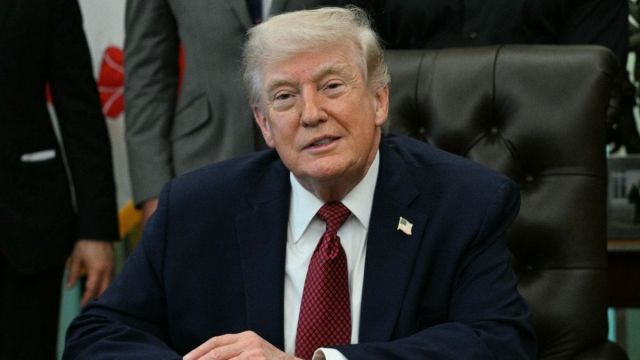
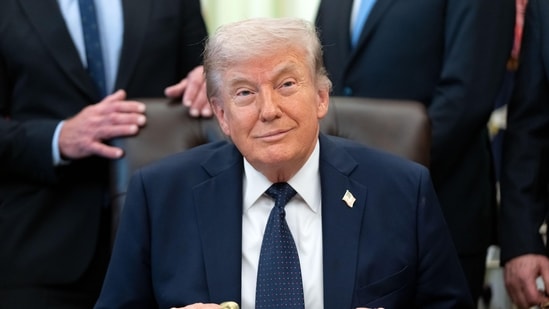
President Donald Trump’s recent appearance during an Oval Office event on healthcare affordability has reignited concerns regarding executive attentiveness. Approximately 20 minutes into a presentation by Regeneron CEO Len Schleifer—who was discussing breakthroughs in treating rare deafness and the ongoing search for Alzheimer’s cures—the President appeared to doze on camera. This juxtaposition of critical public health discourse with visible presidential disengagement has provided significant ammunition for political and medical analysis.
Tactical Framing and Political Opticization
The incident was rapidly weaponized by political opponents, most notably California Governor Gavin Newsom. By deploying labels such as “Dozy Don” and claiming the President was “asleep at the wheel,” Newsom’s team leveraged visual evidence to construct a narrative of diminished capacity. This highlights a shift in modern political warfare, where raw, unedited footage bypassing traditional media gatekeepers becomes the primary tool for shaping public perception of a leader’s vigor and fitness for office.
Medical Ethics and Daytime Somnolence
The footage prompted Dr. Jonathan Reiner, a former White House physician and CNN medical analyst, to suggest the President might be suffering from “daytime somnolence,” or excessive daytime sleepiness. While framed as clinical advice for the White House medical team, such public assessments raise ethical questions regarding the diagnosis of public figures from afar. Nonetheless, the commentary underscores the high stakes of cognitive endurance in a role that requires sustained focus on complex national security and domestic policy matters.
Longitudinal Patterns of Inattention
The Oval Office event is not an isolated occurrence but follows a series of similar observations. In March, during a public safety roundtable in Memphis, Tennessee, and a subsequent Cabinet meeting, the President appeared to struggle with alertness while Defense Secretary Pete Hegseth addressed the room. These recurring lapses suggest a pattern that invites broader inquiries into executive function and the physical demands placed on an aging incumbent, moving the conversation from anecdotal gaffes to systemic concerns about governance stability.
The Symbolism of Presidential Vigilance
In the theater of high-stakes diplomacy and governance, the President’s physical presence and attentiveness serve as vital symbols of national stability. When a leader appears disengaged during discussions with pharmaceutical leaders or military advisors, it risks undermining the perceived gravity of the policy agenda. As the electoral cycle intensifies, the ability to project unwavering cognitive stamina becomes a central pillar of political viability, forcing campaigns to balance the realities of aging with the rigid expectations of the American public.