The Strategic Utility of Daily Puzzles in Digital Media
The New York Times has pivoted from a traditional news-centric model to a diversified digital ecosystem, leveraging a suite of daily puzzle games—including Strands, Wordle, and Connections—as primary engagement drivers. These assets function as high-frequency habituation tools, engineered to convert sporadic readers into daily active users (DAUs) through low-friction, ritualistic interactions.
Operationalizing Retention via Synchronous Cadence
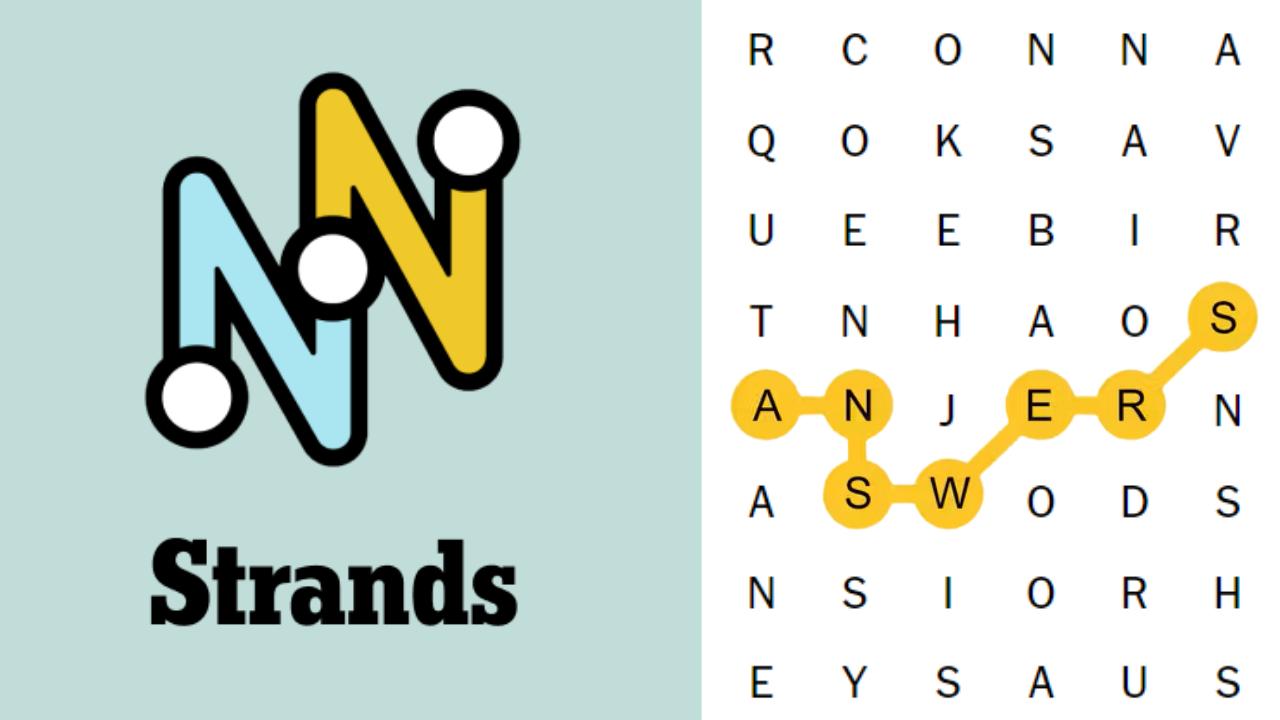
The operational framework of the NYT puzzle suite relies on a standardized, midnight-local-time release cadence. This temporal synchronization creates a rolling global engagement cycle, maximizing interaction windows and fostering a sense of community. Mechanics like the ‘spangram’ in Strands introduce specific cognitive friction that differentiates the product from generic word searches, ensuring the challenge remains intellectually stimulating enough to sustain long-term subscriber interest.
Economic Architecture of the Digital Puzzle Ecosystem
By bundling non-news interactive content with premium journalism, the NYT increases the perceived value proposition of its digital subscription, effectively lowering churn rates and increasing Lifetime Value (LTV). This internal ecosystem facilitates seamless cross-promotion; traffic is strategically funneled between Wordle, Connections, and the Mini Crossword, reducing customer acquisition costs (CAC) for new features by leveraging an established, captive audience.
Risk Mitigation and the Competitive Moat
Diversifying into puzzles allows the organization to hedge against the volatility of the 24-hour news cycle. This strategy provides a stable baseline of traffic during low-intensity news periods, ensuring platform relevance regardless of external events. Furthermore, the cultural cachet and secondary market for these games—evidenced by the proliferation of third-party hint guides—create a formidable competitive moat, establishing a high barrier to entry for other media entities attempting to replicate this level of user habituation.
Conclusion: The Intersection of Habit and Technology
The successful integration of Strands and its counterparts demonstrates a sophisticated understanding of the attention economy. By prioritizing data-driven, iterative design and recurring interactive content, the NYT has established a blueprint for sustainable digital growth. The future of interactive journalism lies in this synthesis of intellectual authority and reliable, ritualized entertainment.