Strategic Reputation Management in Celebrity Branding
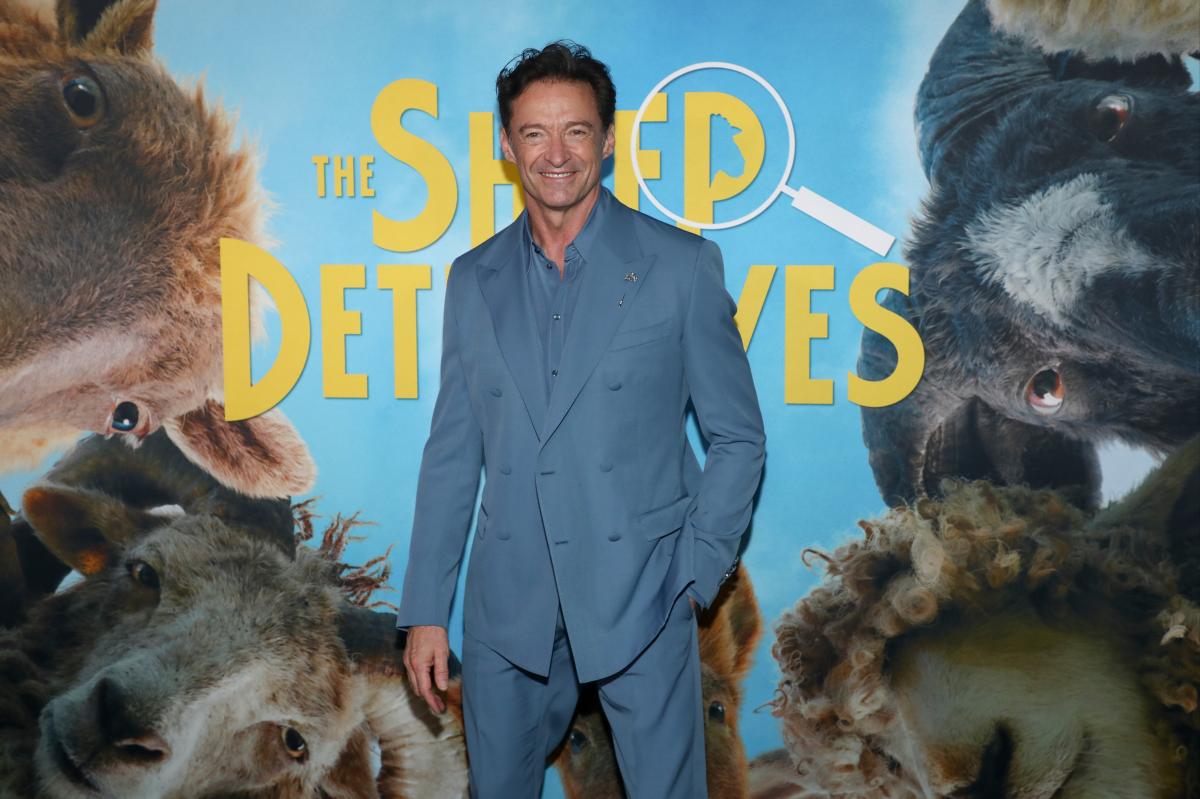
The recent public appearance of Hugh Jackman and Sutton Foster at the premiere of Jackman’s film, “The Sheep Detectives,” provides a case study in strategic celebrity reputation management and narrative control. The decision for the pair to appear together on the red carpet with coordinated attire extends beyond standard promotional activities for the film itself. This carefully orchestrated presentation functions as a deliberate non-verbal communication strategy aimed at shaping public perception and mitigating reputational risk.
In the high-stakes environment of celebrity branding, where personal narratives often intersect with professional projects, controlling the public discourse is paramount. The appearance specifically addresses existing speculation regarding the relationship’s origins, particularly rumors referencing its alleged start while Jackman was still married. By presenting a cohesive image of stability and seriousness—a “united front”—the strategy attempts to preempt negative media narratives. This approach replaces speculation with a carefully curated visual story, leveraging the media attention surrounding the film premiere to define the terms of their public image.
The meticulous planning involved in high-level celebrity appearances is evident in the specific fashion choices. Jackman’s monochromatic blue-gray suit and Foster’s floral dress featuring blue-gray sequins from Markarian’s Resort 2026 collection highlight the strategic use of visual cues. The color coordination reinforces the narrative of partnership without requiring explicit verbal confirmation from either party. This level of control allows the couple to manage their personal reputation and mitigate potential reputational damage associated with the rumors.
Systemic Operational Inefficiencies in Talent Representation
Contrasting sharply with high-level celebrity branding, a separate observation reveals significant structural and operational issues within the broader talent representation industry. A detailed critique of an agency, referred to as “NBW,” highlights a culture where social activities take precedence over professional client representation. This operational model, characterized by extended lunch breaks and a lack of focus on client needs, suggests systemic inefficiencies that hinder value creation for both clients and the agency itself. This focus on performative social networking over substantive work indicates a misalignment of priorities and resource allocation.
Further analysis reveals potential structural flaws in the agency’s hiring practices. The source describes a workforce composed primarily of young staff, many under the age of 23, with limited professional experience. The anecdote that previous training included summer lifeguarding illustrates a lack of industry knowledge and professional training among key personnel. This lack of rigor and experience can lead to communication breakdowns and ineffective career management, as evidenced by staff being unavailable for calls due to extended social engagements. The high turnover described in the source suggests an inherently unstable business model that fails to foster long-term client development.
Market Segmentation and Talent Pipeline Constraints
The operational critique extends to the specific dynamics of regional and summer stock productions, highlighting significant market segmentation. The source points to a casting process where logistical constraints, such as an actor’s car ownership, take precedence over artistic merit or vocal ability. This practice reveals a market reality where cost-saving measures and logistical convenience dictate creative decisions in lower-tier productions, rather than artistic quality. This creates a structural weakness in the talent pipeline.
For aspiring performers, this creates a significant challenge in building a professional portfolio. The emphasis on practical requirements over talent perpetuates a cycle where emerging artists struggle to gain experience, while productions compromise on quality to meet logistical demands. This disparity between high-end celebrity management (Section 1) and low-end operational constraints suggests a fragmented landscape where talent development is often hindered by systemic inefficiencies and market pressures, rather than being a meritocracy.