Institutional Implications of Signage Displacement
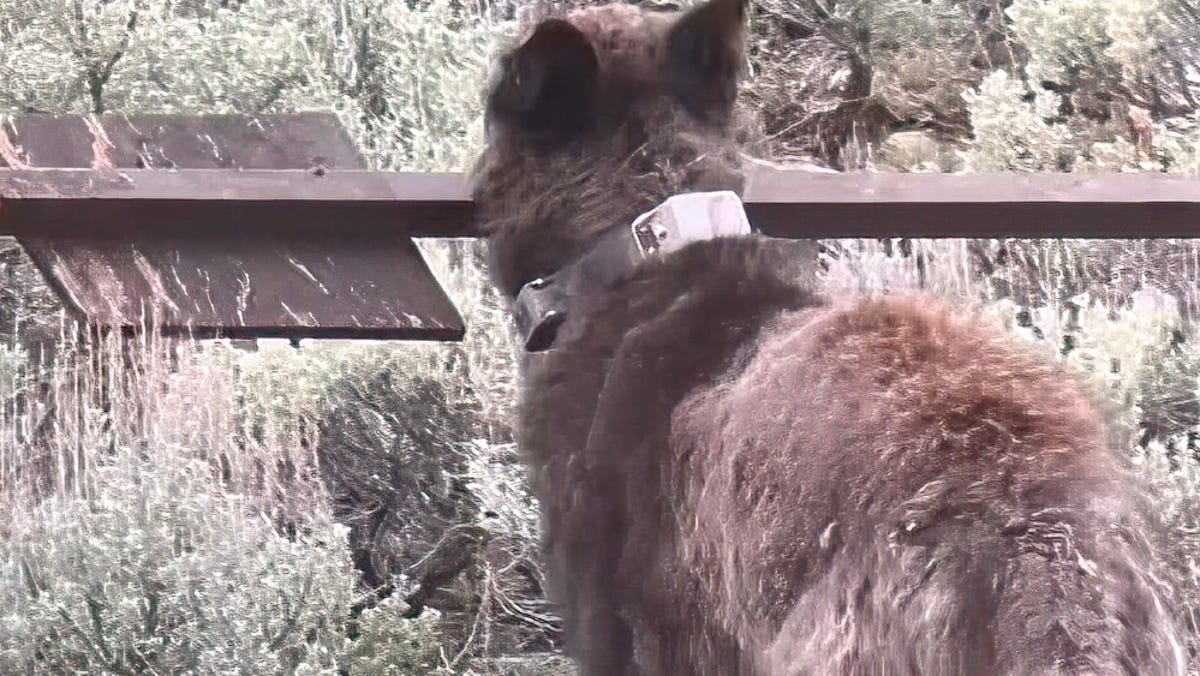
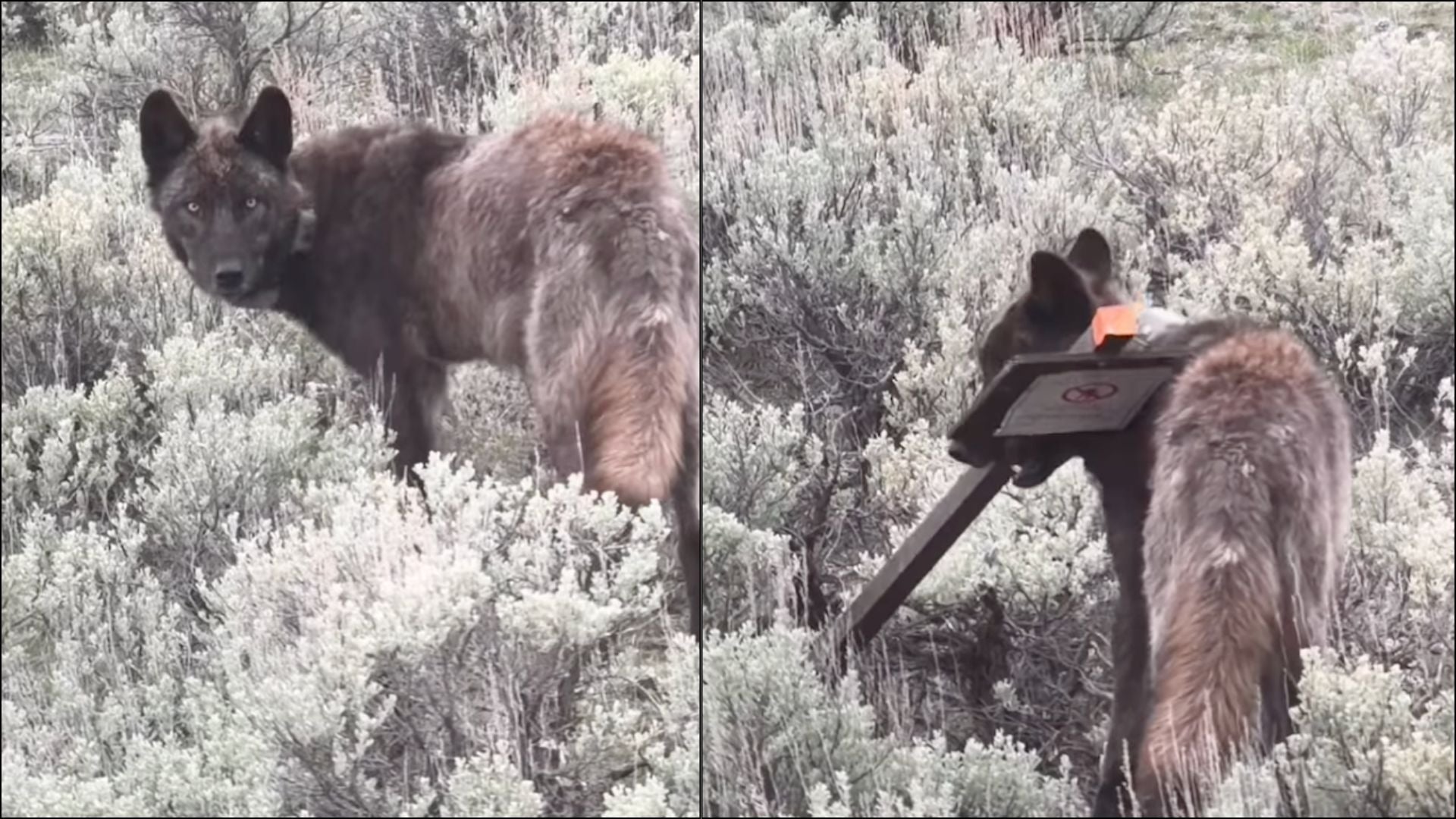
The recent extraction of a National Park Service (NPS) closure sign by a Junction Butte wolf pup transcends mere behavioral anomaly, exposing a critical vulnerability in the physical infrastructure governing human-wildlife interfaces. These regulatory markers are essential for enforcing wildlife closure areas—specifically during high-risk scenarios such as grizzly bear carcass feedings. When a yearling neutralizes these administrative boundaries, the resultant liability gap increases the probability of accidental human encroachment into predator-dense zones, potentially necessitating management removals of protected species following defensive encounters.
The Strategic Visibility Paradox of the Junction Butte Pack
As one of the most documented canid groups in the Yellowstone ecosystem, the Junction Butte Pack exists at the nexus of scientific observation and political scrutiny. This visibility, while providing granular data for researchers like Taylor Rabe, complicates the management narrative. The pup’s comfort in navigating a human-modified landscape—carrying a signpost across a public highway—indicates a level of habituation that challenges the paradigm of wild canid avoidance. This bold behavior is frequently weaponized in strategic debates regarding federal protections versus state-led management interventions.
Ontogeny and Yearling Independence
The observation of six yearlings operating independently of the adult hierarchy is biologically significant. This developmental phase is characterized by heightened exploratory behavior and a transient lapse in alpha-beta dominance. According to researcher Taylor Rabe, these juveniles are often incentivized by biological hotspots, such as carcass sites or salamander ponds. However, this ‘mischievous’ developmental window represents a critical habituation threshold. If juvenile wolves successfully manipulate anthropogenic objects without negative reinforcement, it may catalyze long-term behavioral shifts that escalate human-wolf conflict as these individuals reach social maturity.
Cognitive Foundations and Domestication Heuristics
The incident revitalizes discussions on the human-canine bond, specifically the ‘self-domestication’ through scavenging versus ‘deliberate intervention’ theories. The wolf’s engagement with the signpost—a behavior mirroring domestic play—suggests that the cognitive foundations for domestication are latent within wild canid play cycles. For modern managers, this presents a strategic obstacle: the necessity of maintaining a sharp psychological boundary between wild wolves and domestic dogs. Any blurring of these boundaries, facilitated by play near human infrastructure, undermines the NPS objective of maintaining a wary, wild population.
Legislative Pressures and Endangered Species Act Status
This interaction serves as a focal point in the legislative battle over the gray wolf’s legal status. Proponents of delisting cite the audacity of packs like Junction Butte as evidence that wolves have recovered beyond the need for Endangered Species Act (ESA) protections. Conversely, conservationists argue that such visibility is a metric of success that would be instantly compromised by hunting pressures. In this context, every documented interaction with park infrastructure becomes a data point in the judicial maneuvering over apex predator management in the American West.
Operational Efficacy in Multi-Species Management
The presence of a carcass necessitates high-precision management to prevent grizzly-human encounters. The removal of warning signage by one predator species (wolves) inadvertently compounds the danger posed by another (grizzlies). This interspecific dependency requires a more robust approach to physical markers. The NPS must evaluate the transition from passive wooden signage to more resilient or inaccessible methods of area closure to ensure regulatory compliance remains intact despite wildlife interference.
Media Representation and Risk Perceptions
The viral nature of this incident highlights the tension between ‘charismatic megafauna’ tourism and institutional risk management. While public perception often frames such events through the lens of curiosity, the institutional reality is one of safety protocols and regulatory liability. Park officials must frame these events within the context of yearling development to mitigate the risk of the public drawing dangerous conclusions regarding the safety of wild predator interactions.
Conclusion: The Evolution of Anthropogenic Interface Management
The Junction Butte incident is a definitive case study in the complexities of modern wildlife management. It exposes the limitations of static infrastructure, the unpredictability of juvenile predator ontogeny, and the intense legislative pressures surrounding wolf recovery. As apex predators continue to adapt to human-modified environments, management strategies must evolve beyond traditional markers to address the cognitive and physical capabilities of the species they seek to regulate.