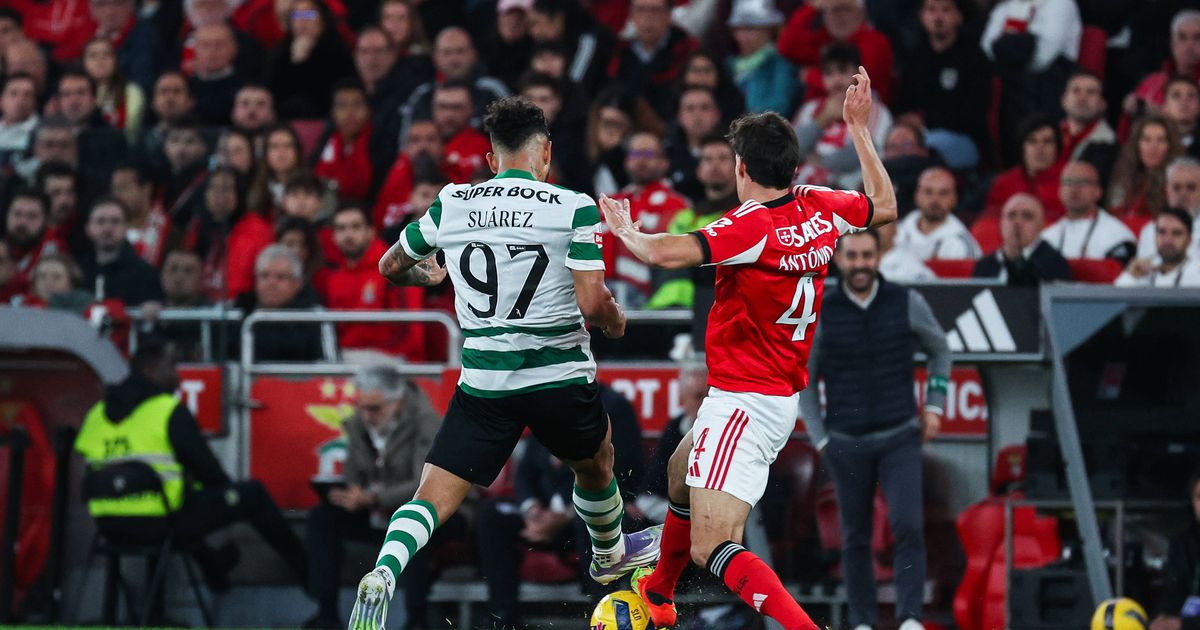
Sporting vs. Benfica: The Strategic Inflection Point in Portuguese Football
The highly anticipated derby between Sporting CP and SL Benfica on April 19, 2026, transcends the immediate pursuit of league points. It represents a critical juncture poised to redefine the strategic trajectory, brand equity, and long-term narrative for both clubs within Portuguese football. For Sporting, securing a ‘tricampeonato’—a third consecutive league title—would elevate its institutional legacy from a strong performance into a historic dynasty, significantly enhancing its global brand recognition and market appeal. The outcome will definitively shape how this period is remembered: as a landmark achievement or a commendable, yet ultimately unfulfilled, campaign.
Fiscal Autonomy and Sustained Competitive Advantage
Sporting’s robust financial health, buoyed by an approximate €80 million injection from UEFA Champions League progression and the high-value transfer of Gyokeres, provides an unprecedented strategic buffer. This substantial liquidity grants the club fiscal autonomy, enabling proactive talent retention, strategic investments in advanced scouting and youth development, and a deliberate, sustainable squad development strategy without the pressure of immediate asset sales. Such financial strength inherently enhances Sporting’s negotiating leverage for future commercial partnerships, directly correlating improved brand equity with economic opportunities. This fiscal independence allows for an unwavering focus on sporting objectives, minimizing external financial pressures on management decisions and fostering sustained competitive advantage.
Competitive Landscape and Market Realignment
The derby’s outcome will send significant ripples through the entire Liga Portugal ecosystem. A Sporting victory would not only maintain their championship lead but also critically diminish Benfica’s title aspirations, while a defeat could transfer the initiative to FC Porto. This intricate interplay directly influences the allocation of coveted European qualification spots, particularly the lucrative UEFA Champions League berths, which are vital for clubs’ budget planning and player acquisition strategies. Beyond immediate league standings, success or failure in this fixture impacts player market valuations, transfer dynamics, and the ability to attract elite talent, creating a direct feedback loop between on-field performance and off-field market power for all top-tier Portuguese clubs.
Brand Legacy and Reputational Stakes
The media’s framing of Sporting’s season—”good” but requiring a title to be “historic”—underscores the pivotal role of tangible success in shaping institutional reputation. A ‘tricampeonato’ would indelibly cement Sporting’s brand as a consistent winner and a hegemonic force, attracting new generations of supporters and global sponsors. Conversely, a near-miss, despite strong performances, risks reinforcing a narrative of unfulfilled potential, subtly eroding fan engagement and long-term commercial leverage. This high-stakes reputational calculus, captured by the “hora da verdade” (hour of truth) narrative, directly influences merchandise sales, season ticket renewals, and the enduring emotional capital a club commands from its fanbase.
Operational Complexity and Event Integrity
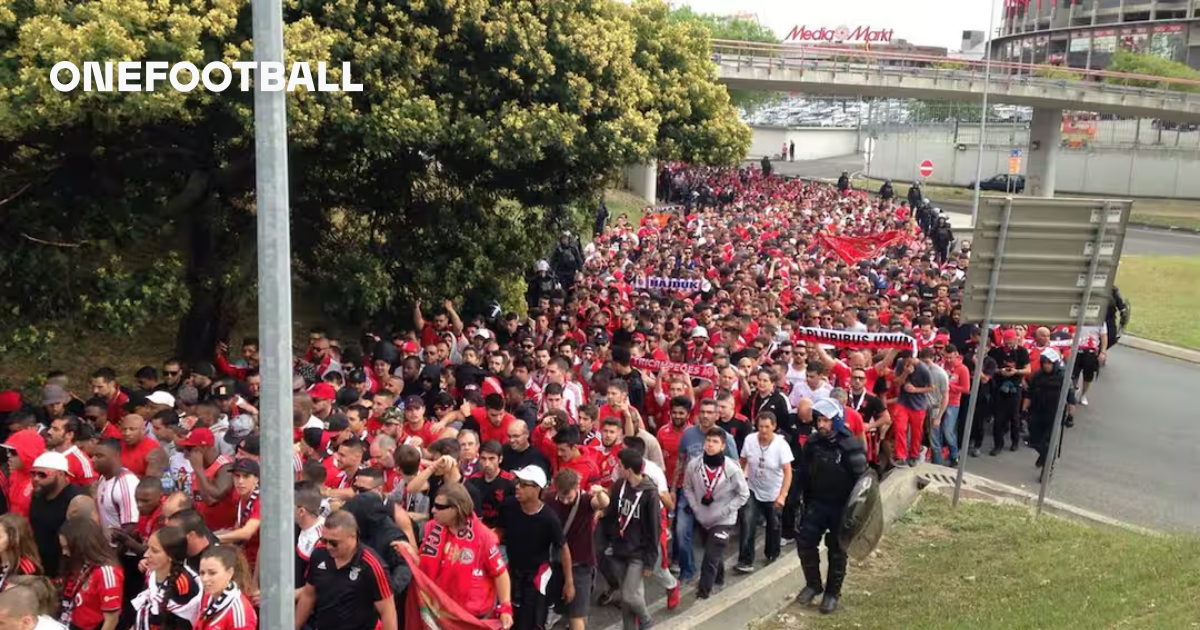
SL Benfica’s detailed logistical directives for its supporters highlight the profound operational challenges inherent in managing high-stakes inter-city derbies. Recommendations for designated assembly points, police-escorted processions, and specific transport advisories represent a comprehensive risk management framework. This meticulous planning is critical for ensuring public safety, preserving event integrity, and maintaining the club’s reputation as a responsible civic stakeholder. Effective coordination between club security, law enforcement, and public transport authorities is paramount to channeling intense fan enthusiasm into an orderly experience, preventing incidents that could tarnish the sport’s image and ensure the long-term viability of major sporting spectacles in urban environments.
Media Amplification and Commercial Monetization
The extensive media coverage, characterized by headlines such as “Hora da verdade” and “dérbi de milhões,” profoundly underscores the commercial and cultural magnitude of this fixture. This pervasive media narrative not only amplifies public interest but crucially drives viewership, advertising revenue, and multi-platform engagement. The “dérbi de milhões” (derby of millions) implicitly highlights the vast economic ecosystem generated by such high-profile encounters, encompassing direct revenues from ticketing and broadcasting rights, alongside significant indirect economic activity through hospitality and merchandising. The media functions as a vital conduit, transforming on-field drama into a highly monetized content product that captures broad societal attention, extending beyond traditional football audiences and encompassing a diverse array of figures like Farioli, Borges, and Mourinho in a broader football dialogue.
Broader League Health and Evolving Dynamics
Beyond the immediate title race, the Portuguese football landscape faces continuous flux, as evidenced by developments like AVS’s confirmed relegation and Marítimo’s delayed promotion. These dynamics are integral to the I Liga’s overall health and competitive structure, illustrating how financial stability, strategic planning, and on-field performance dictate club trajectories across divisions. The substantial financial implications of inter-division movement significantly impact broadcasting revenues, sponsorship deals, and player budgets, reinforcing the cyclical nature of competition. This evolving ecosystem also encompasses the growing prominence of the Portuguese women’s national team, which recently secured a World Cup playoff spot, signaling a broader diversification of sporting interest and commercial potential within the national football framework.
Post-Derby Strategic Recalibration
The outcome of the Sporting-Benfica derby will serve as a definitive catalyst for the strategic recalibration of all involved clubs for the subsequent season. For Sporting, a title victory would validate their current model, likely leading to continuity in coaching and recruitment strategies, reinforced by their superior financial position. Conversely, a second-place finish would necessitate a critical review of tactical approaches and squad depth. Benfica, irrespective of the derby’s immediate result, faces significant strategic decisions regarding squad reinforcement, coaching stability, and competitive positioning against Sporting’s financial ascendancy. The derby thus defines not just current standings but fundamentally shapes long-term competitive balances, influencing player valuations and club spending power in the transfer market, thereby setting the strategic agenda for the next phase of Portuguese football.