The Kolkata Knight Riders (KKR) have successfully recalibrated their 2026 IPL campaign, arresting a six-match winless slide with a calculated four-wicket victory over the Rajasthan Royals (RR). This result at Eden Gardens exposes a stark divergence in tactical execution: while RR demonstrated elite top-order volatility, their subsequent middle-order paralysis allowed KKR to recover from a precarious 85-6 deficit and secure their first two points of the season.
The Suryavanshi Paradox: High-Variance Aggression
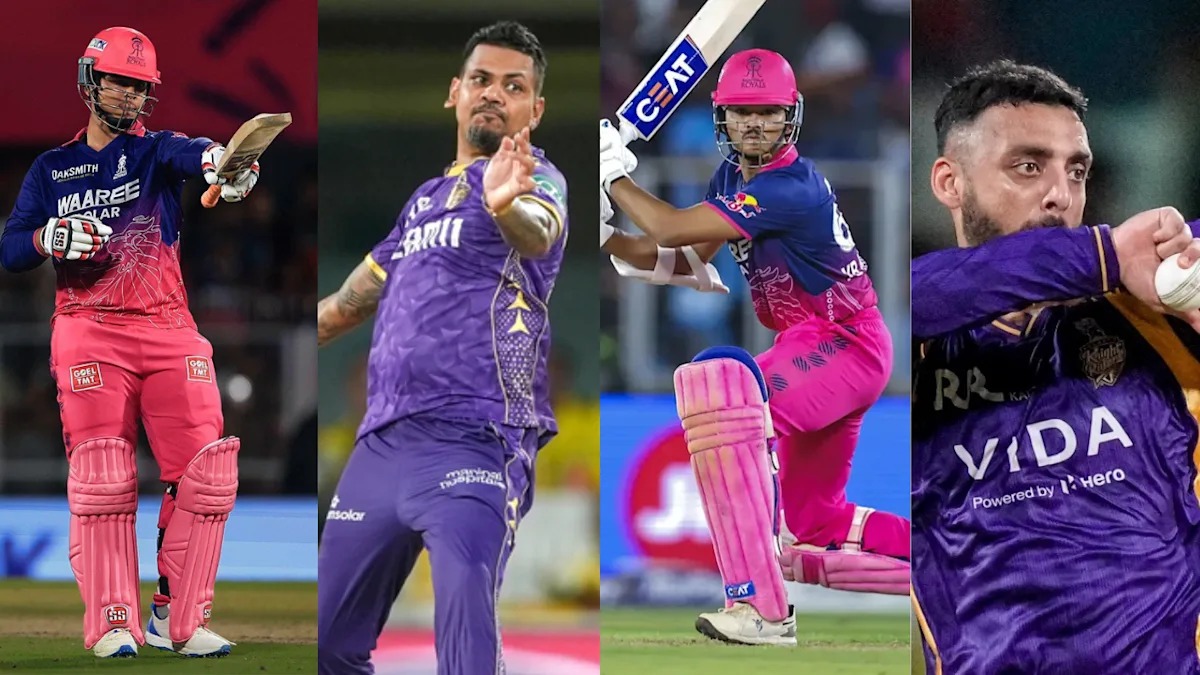
Rajasthan’s innings served as a case study in asymmetric scoring. The 15-year-old prodigy Vaibhav Suryavanshi continued to disrupt powerplay conventions, contributing 46 runs to an 81-run opening stand with Yashasvi Jaiswal in just 8.4 overs. Suryavanshi’s current season metrics—200 runs at a 263.15 strike rate—forced KKR into early defensive rotations. However, this aggressive platform lacked a secondary anchor; once the openers were removed, the Royals suffered a systemic collapse, losing nine wickets for just 74 runs to finish at a sub-par 155-9.
This lack of structural depth in the RR middle order, where no batter surpassed 20 runs, highlights a critical failure to adapt to the slowing Eden Gardens surface. KKR’s spin contingent exploited this technical rigidity, turning a high-speed start into a crawl that ultimately left the Royals with an uncompetitive total.
Archer’s Early Impact vs. KKR’s Mid-Innings Fragility
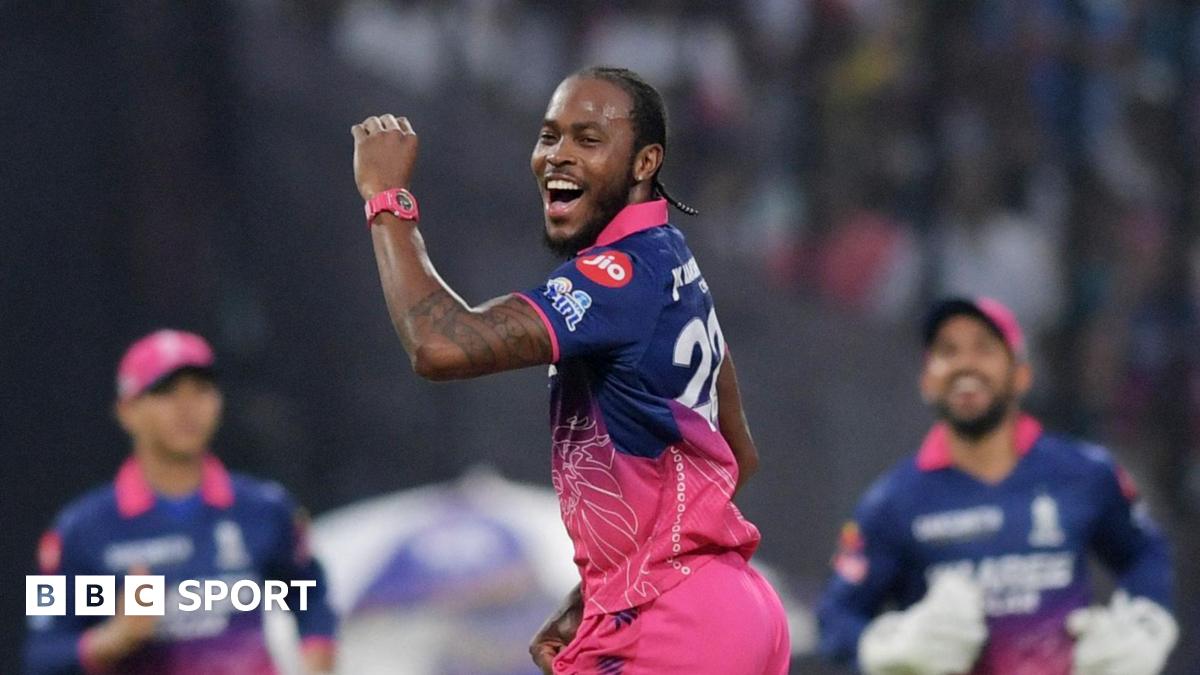
Defensively, RR maintained pressure through Jofra Archer, who achieved his third consecutive first-ball wicket by dismissing Tim Seifert. Archer’s ability to generate immediate vertical movement remains RR’s primary tactical leverage. KKR’s chase initially mirrored the Royals’ collapse, as the hosts slumped to 85-6 against disciplined spin. This period revealed persistent technical deficits in KKR’s strike rotation, nearly neutralizing the home-ground advantage and leaving the match outcome dependent on a high-variance finish.
The Pivot Point: Fielding Lapses and Rinku Singh’s Clinical Finish
The match’s win-probability shifted definitively on a critical error by Nandre Burger, who dropped Rinku Singh when the batter was on eight. In a format where margins are increasingly thin, this lapse proved catastrophic for Rajasthan. Singh capitalized on the reprieve to anchor the chase with a composed 53*, demonstrating the veteran temperament required to manage escalating required rates. His 16-ball 29 partnership with Anukul Roy provided the auxiliary scoring necessary to dismantle RR’s death-over strategy.
Roy’s contribution was particularly vital, relieving the scoring burden on Singh and allowing the chase to be completed with two balls to spare. For KKR, this synergy between a specialist finisher and a utility player offers a blueprint for navigating their current roster constraints, specifically the absences of Harshit Rana and Akash Deep.
Institutional Outlook and Strategic Implications
For KKR, this victory provides essential psychological relief and halts their mathematical stagnation at the bottom of the table. The performance of the lower-middle order suggests that despite injury-induced roster instability, the team possesses the competitive depth to challenge top-tier sides. Conversely, the Rajasthan Royals must address the widening gap between their powerplay output and middle-order sustainability. The reliance on Suryavanshi’s hyper-aggression is a high-reward strategy that requires a more robust secondary scoring engine to remain viable throughout the 2026 season.