Liverpool’s Strategic Reconfiguration and Vulnerability Assessment
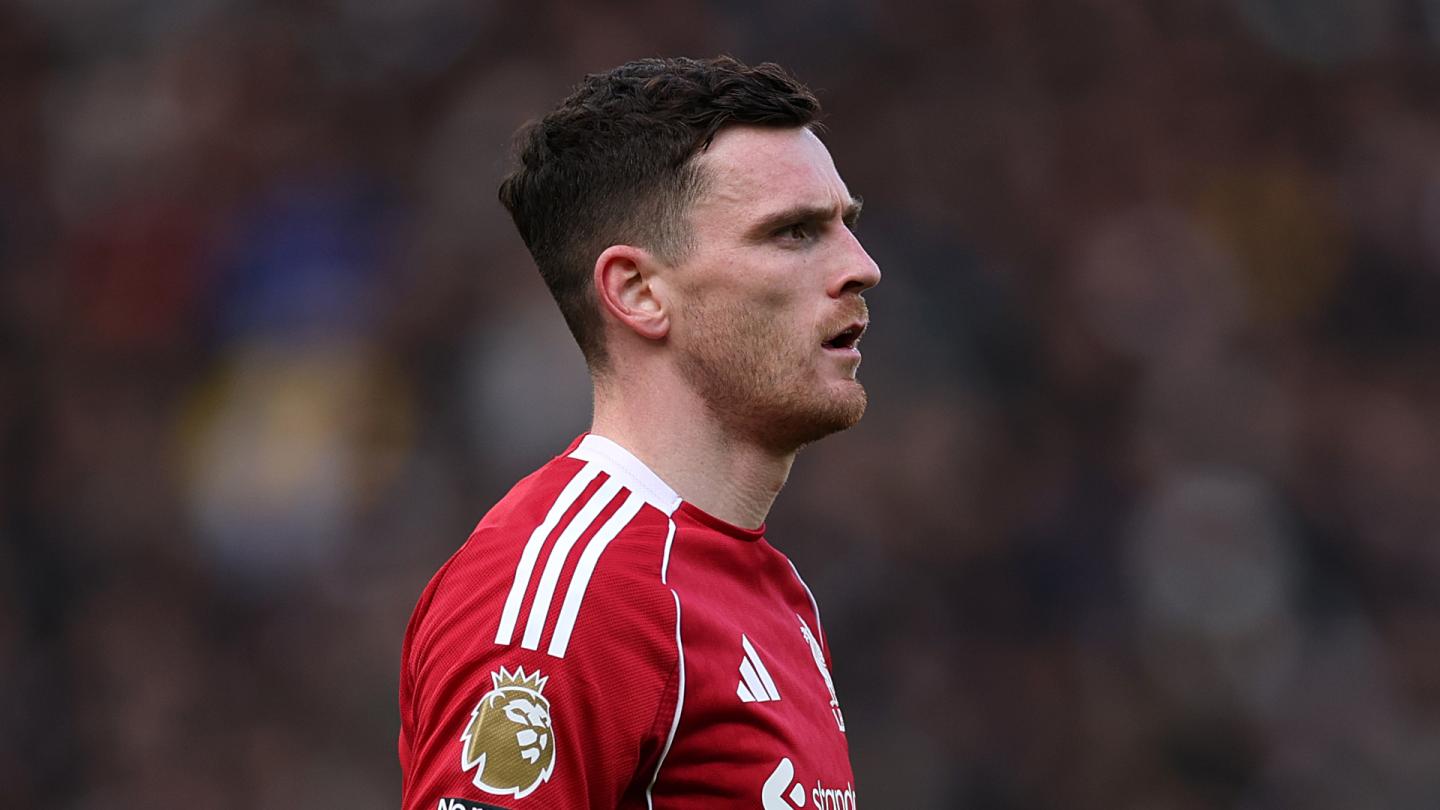
Liverpool’s tactical adjustments for the Merseyside derby signal a significant strategic shift in response to recent performance vulnerabilities. Following a loss to Paris Saint-Germain, manager Slot implemented four changes to the starting lineup, prioritizing specific tactical requirements over recent configurations. The reintroduction of key players like Mohamed Salah, Andy Robertson, and Cody Gakpo, alongside Curtis Jones, indicates a management imperative to reset the team’s operational approach for a high-stakes fixture.
Slot’s rationale for the changes, specifically citing the need to counter Everton’s set-piece threat and enhance late-game agility, suggests a targeted tactical response to specific opponent strengths rather than routine rotation. The decision to bench prominent players such as Alexis Mac Allister and Jeremie Frimpong highlights a specific adaptation to Everton’s style of play, which emphasizes physical presence and set-piece execution. This focus on individual agility for one-on-one duels late in the game reveals a strategic concern about match control and adaptability in a tightly contested derby environment.
However, the strategic challenge for Liverpool’s management extends beyond immediate tactical changes. The pre-match narrative highlights a critical divergence in performance assessment: while some attribute recent setbacks to “bad luck,” analysis points to specific defensive failures. If management attributes performance shortfalls to luck, it may delay necessary tactical adjustments and structural improvements. Slot’s mention of “bad luck” in conjunction with injuries suggests an attempt to manage external perceptions, but prioritizing set-piece defense against Everton indicates a recognition of specific tactical weaknesses, highlighting the ongoing tension between external narratives and internal operational realities.
Everton’s Institutional Leverage and Competitive Identity
In contrast to Liverpool’s adjustments, Everton enters the derby with an unchanged lineup following a recent draw, reflecting a management philosophy focused on consistency and a high-intensity work rate. This stability aligns with manager David Moyes’ long-term project and a team identity built around resilience and effort, providing a distinct competitive advantage in a derby environment where emotional intensity often supersedes technical superiority.
The match holds significant competitive implications for Everton. A potential win would allow them to climb to sixth place in the league table, directly impacting their prospects for European qualification. Securing a European spot would unlock significant financial revenue streams, enhance recruitment leverage, and solidify the club’s strategic trajectory. This objective is further supported by the new Hill Dickinson Stadium, which serves as a critical institutional asset in this strategic context.
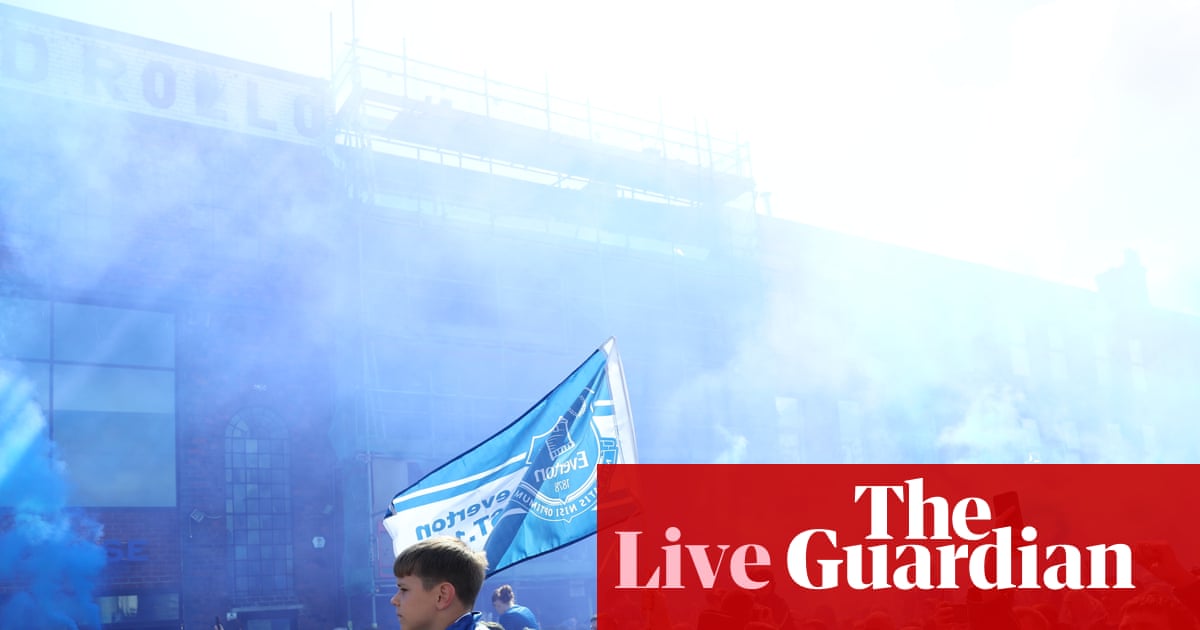
The match marks the first Merseyside derby played at the new venue, representing a new era for the club. The stadium’s design, engineered to maximize atmosphere and fan engagement, provides a tangible competitive advantage. This architectural choice translates directly into competitive leverage, creating an environment where high-intensity play and fan support amplify each other. This institutional investment is a calculated move to enhance match-day revenue streams and create a more intimidating environment for visiting teams, aligning with the strategic goal of building a competitive identity based on resilience and intense fan support.
The Strategic Context of Managerial Philosophies and Financial Ecosystem
The contrasting approaches of the two teams reflect differing managerial philosophies. Moyes’ focus on work rate and resilience for Everton creates a distinct team identity that resonates with the fanbase, providing a stable foundation for long-term development. Slot’s strategic adjustments for Liverpool, conversely, indicate a more reactive and data-driven methodology, adapting to specific opponent threats and recent performance issues. The challenge for Liverpool is to integrate these tactical adjustments into a cohesive long-term strategy, ensuring reactive changes do not undermine overall team cohesion and performance stability.
The high stakes of the derby extend beyond local bragging rights, directly impacting the financial landscape of the Premier League. For Everton, a potential European qualification spot creates a powerful feedback loop that strengthens financial standing and long-term viability. For Liverpool, the match represents an opportunity to consolidate their position in the upper echelons of the league, with a loss potentially impacting their strategic positioning in the race for top-tier finishes. The need to respond effectively to competitive pressure, as evidenced by the four changes, highlights the high-stakes environment where every match outcome influences long-term financial and strategic planning for both organizations in the competitive ecosystem.