Tactical Disruption: UCLA’s Collegiate Dominance
The 2026 collegiate landscape reached a definitive pivot point as UCLA secured its inaugural NCAA title. By dismantling South Carolina’s perennial powerhouse, the Bruins signaled a transition from traditional post-centric models toward a high-velocity, multi-positional framework. This victory was not merely a result of roster depth but of superior tactical execution, characterized by high-efficiency offensive sets and a disruptive defensive transition that neutralized the Gamecocks’ interior advantages.
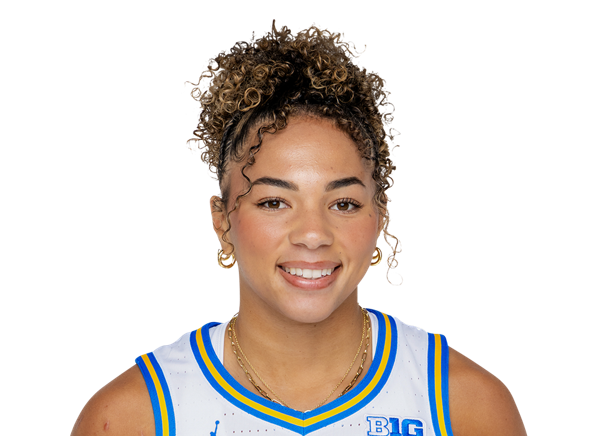
Gabriela Jaquez and Kiki Rice served as the primary catalysts for this shift. Jaquez’s versatile perimeter scoring and high-impact ball-stripping capabilities exemplified the modern ‘positionless’ athlete, while Rice’s ability to navigate defensive pressure for interior finishes provided a reliable release valve in half-court scenarios. Furthermore, the elite positioning of Lauren Betts ensured UCLA maintained a dominant points-per-possession metric. This victory serves as a validated blueprint for high-tempo recruitment and developmental pipelines within the NCAA.
The WNBA’s 16-Team Strategic Framework
Parallel to the collegiate shift, the WNBA has implemented a transformative 16-team expansion, integrating franchises in Toronto, Golden State, and Portland. This growth represents a calculated effort to capture high-value media markets and establish a Pacific Northwest-Bay Area corridor. This geographic clustering optimizes logistics and intensifies regional rivalries, which are critical for escalating broadcast ratings and localized revenue streams.
The inclusion of Toronto marks the league’s first international foray, tapping into a diverse, basketball-centric demographic and diversifying the league’s capital base. With eight teams per conference, the 2026 season establishes a symmetrical playoff format that heightens the stakes of regular-season performance. This institutional scaling reflects a maturing market where women’s sports are no longer niche interests but central pillars of the global sports economy.
Draft Evolution and the Youth Infusion Model
The 2026 WNBA Draft highlighted a pivot toward long-term developmental upside, most notably with the Seattle Storm’s selection of 19-year-old Awa Fam Thiam at third overall. Selecting a teenage prospect in the first round mirrors the NBA’s developmental trajectory, prioritizing high-ceiling athleticism over immediate collegiate polish. This trend incentivizes elite prospects to bypass extended collegiate tenures in favor of professional development and early-career financial leverage.
The convergence of UCLA’s championship-ready graduates and international standouts like Thiam has created unprecedented talent density. For franchises like Seattle, navigating a competitive Western Conference, the focus on youth provides a sustainable competitive advantage. This strategy mandates that collegiate programs adapt their retention models as the WNBA becomes an increasingly viable and lucrative path for younger athletes.
Economic Synergy and Media Rights Valuation
The synchronization of UCLA’s rise and the WNBA’s expansion creates a self-sustaining content cycle. High-visibility collegiate stars now enter a professional ecosystem that possesses the infrastructure to support their marketability. This continuity is essential for the upcoming valuation of media rights, as the league can demonstrate a proven pipeline of talent and expanding reach into major metropolitan areas.
The entry of Golden State and Portland leverages established basketball cultures and corporate infrastructures, providing immediate stabilization for new franchises. Furthermore, the performance of UCLA’s core players in high-pressure environments reduces endorsement risks for global brands. This alignment of collegiate excellence and professional scaling ensures a virtuous cycle of growth, effectively modernizing the global basketball institution for the next decade.