Midwest Storm Crisis: Analyzing the Strain on Emergency and Media Systems in Minnesota & Wisconsin
Recent severe weather systems have intensely impacted southern Minnesota and north-central Wisconsin, unleashing substantial hail and triggering multiple tornado warnings. These events transcend typical meteorological occurrences, serving as critical stress tests for regional emergency response frameworks and local media infrastructure. The immediate aftermath exposed vulnerabilities and highlighted the indispensable role of robust communication channels in public safety during rapidly evolving crises.
The storms’ immediate consequences manifested in widespread reports of exceptionally large hail. Faribault experienced egg-sized hail, Cannon Falls reported ping-pong ball sized impacts, and Rice County documented stones up to three inches in diameter. Such extreme hail sizes represent a profound and immediate threat, causing extensive property damage, compromising local infrastructure, and presenting significant challenges for public safety agencies tasked with rapid assessment and response.
Media’s Strategic Imperative: Crisis Communication and Technological Readiness
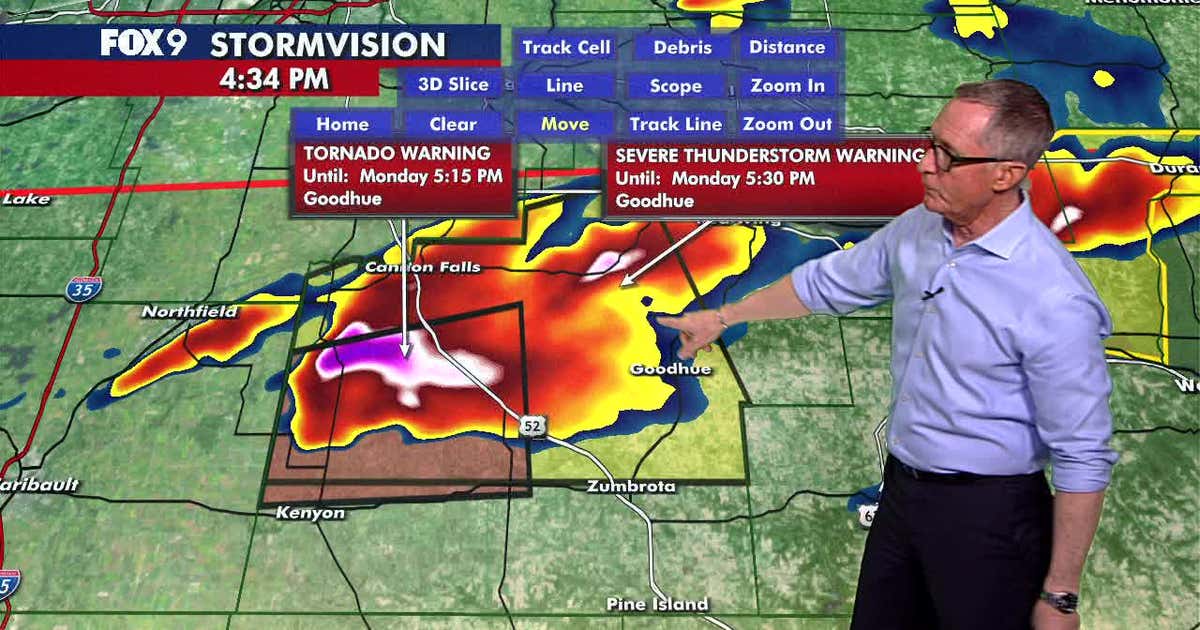
Local news organizations, exemplified by FOX 9 in Minneapolis, rapidly deployed comprehensive real-time coverage. Meteorologists like Ian Leonard and Cody Matz delivered continuous updates from their advanced weather centers, illustrating a strategic commitment to immediate, accurate information dissemination. This proactive operational posture is paramount for safeguarding public safety and upholding audience trust during high-stakes meteorological events.
Sustaining such high-tempo crisis reporting necessitates a sophisticated technological infrastructure. This includes cutting-edge radar systems, resilient communication networks, and advanced data analytics platforms to precisely track storm dynamics, integrate citizen-submitted damage reports, and translate complex meteorological data into actionable intelligence. These capabilities are indispensable for enabling timely public protective measures and evacuation protocols.
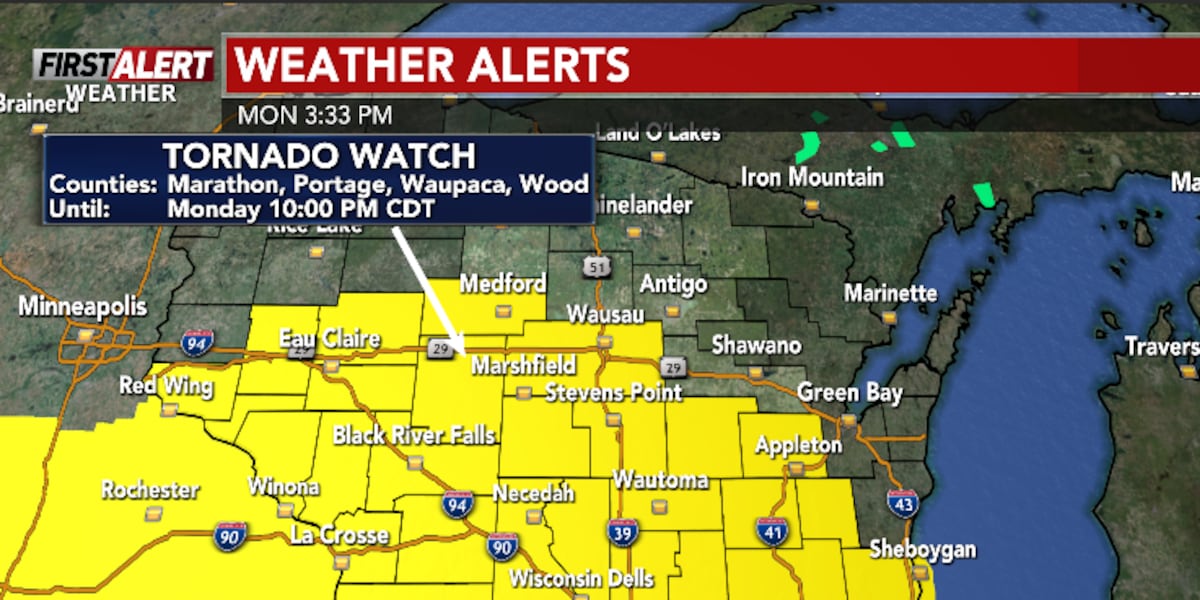
The strategic branding of “First Alert Weather Days” by stations like WCCO and WSAW represents a calculated move to preemptively elevate public awareness. This branding not only signals an impending threat to the audience but also triggers internal emergency protocols, mobilizing additional staffing, allocating critical resources, and streamlining information flow across departments. In a fiercely competitive media landscape, these specialized weather alerts serve as a crucial differentiator, positioning specific outlets as authoritative, indispensable sources for critical safety information. The consistent delivery of precise and timely forecasts during periods of heightened public anxiety directly impacts viewership, market share, and the perceived public utility of dedicated meteorology teams.
Furthermore, the integration within broader networks like CBS News, through local affiliates such as WCCO, facilitates a standardized, robust approach to crisis reporting. This leverages national brand credibility for local impact, fostering shared best practices, enabling resource pooling, and significantly enhancing the resilience and reach of local news operations during widespread weather phenomena.
Governmental & Municipal Response: Anchoring Public Safety Frameworks
The National Weather Service (NWS) served as the foundational pillar of the public safety response, issuing critical Tornado Warnings for areas like Goodhue County. The NWS’s unparalleled capacity for real-time atmospheric monitoring and precise, timely warning dissemination is absolutely central to mitigating potential casualties and extensive property damage. These warnings are not mere advisories; they are catalysts for a cascading institutional response, activating protocols for local emergency management agencies, law enforcement, and prompting immediate individual preparedness actions across affected communities.
The efficacy of this multi-tiered system hinges upon the seamless, rapid relay of complex meteorological information from federal agencies like the NWS to local media outlets. Media then assumes the vital role of translating intricate scientific data into clear, actionable public alerts, ensuring widespread comprehension and compliance.
A particularly stark illustration of the immediate operational challenges arose in Faribault, where hail accumulation was so substantial it necessitated plowing—a resource deployment typically reserved for winter snow events. This scenario underscores the critical need for municipal services to possess adaptable emergency protocols and flexible resource allocation strategies, enabling a rapid pivot from routine operations to intensive crisis management. Such unforeseen demands inevitably generate significant financial implications for municipalities, including unbudgeted expenses for equipment mobilization, personnel overtime, and potentially extensive infrastructure repairs to roads, drainage systems, and public facilities.
Economic Repercussions: Property, Agriculture, and Insurance Sector Exposure
The sheer scale of the hail, including documented three-inch diameters, carries profound and multifaceted economic implications. Property owners face extensive damage to residential and commercial structures—roofs, windows, and siding—as well as vehicles, triggering a substantial surge in insurance claims. This volume of claims directly impacts actuarial models, forcing re-evaluations of risk exposure and likely leading to upward adjustments in future insurance premiums for affected regions.
For the vital agricultural sector, especially in a heavily farmed state like Minnesota, large-scale hail events pose an existential threat to crop yields and farmer livelihoods. Direct damage to crops translates into significant financial losses, disrupting regional agricultural output, impacting local economies, and potentially causing localized fluctuations in commodity markets. This necessitates enhanced risk management and disaster relief mechanisms for agricultural communities.
Beyond property and agriculture, the disruption caused by events like the hail requiring plowing in Faribault ripples through local commerce and transportation networks. Businesses may experience immediate operational interruptions, reduced consumer foot traffic, and significant supply chain delays. These combined factors contribute to a localized economic downturn, impacting small businesses and regional employment in the immediate post-storm period.
The insurance industry, as a whole, faces escalating exposure due to the increased frequency and intensity of severe weather. This necessitates robust capital reserves, highly sophisticated risk assessment strategies, and adaptive underwriting decisions to maintain financial stability. The evolving climate patterns directly influence the viability and profitability of regional insurers, compelling a strategic re-evaluation of their operational models.
Strategic Re-evaluation: Adapting to Evolving Weather Volatility and Climate Resilience
The characterization of an “unsettled weather pattern” and the designation of a “First Alert Weather Day” in Wisconsin due to the “best chance for severe weather so far this year” are not isolated observations. They reflect broader, escalating trends of increased weather volatility. While refraining from attributing causality to this specific event, such language signals a fundamental operational paradigm shift in how regions must proactively prepare for and react to atmospheric phenomena.
This evolving pattern necessitates an urgent and comprehensive strategic re-evaluation of infrastructure resilience, urban planning methodologies, and agricultural practices. Critical utilities, for instance, must invest substantially in more robust power grids capable of withstanding severe wind and hail, while building codes and construction standards require adaptation to protect against more frequent and intense weather impacts. This mandates a proactive approach to prevent future systemic failures.
For emergency management agencies, these recurring and intensifying patterns demand continuous, strategic investment in advanced forecasting technologies, widespread public education campaigns, and rigorous inter-agency coordination drills. The overarching objective is to cultivate deep community resilience, shifting the operational focus from purely reactive emergency response to proactive, integrated mitigation strategies across all governmental and private sectors. This holistic approach ensures preparedness across the entire spectrum of stakeholders.
The consistent monitoring and detailed reporting by meteorological services and media outlets generate an invaluable, ever-expanding dataset on severe weather events. This empirical data is crucial for refining long-term climate modeling, conducting precise risk assessments, and ultimately informing critical policy decisions related to disaster preparedness, resource allocation, and environmental adaptation strategies at both regional and national levels. This continuous feedback loop provides essential insights for policymakers.
Local news organizations, through their consistent operational cadence during these crises, provide a vital feedback loop for public safety initiatives. Their granular reporting on damage, community impact, and recovery challenges directly informs policymakers about the efficacy of existing preparedness measures and precisely highlights areas requiring further strategic investment or procedural adjustments. This reinforces media’s accountability in the resilience ecosystem.
Furthermore, the sustained, multi-entity media focus on weather events underscores a pervasive public demand for reliable, actionable information in an increasingly unpredictable environment. This demand serves as a potent driver for continued investment in specialized meteorological expertise and advanced reporting capabilities, thereby solidifying the media’s indispensable role as an essential public service and a critical component of national resilience.
The financial implications of these escalating weather patterns extend significantly to state and federal disaster relief funds. These funds are increasingly tapped to support extensive recovery efforts in areas frequently affected by severe weather. This creates a substantial and growing fiscal burden, necessitating robust strategic planning for resource allocation, and potentially the development of innovative new funding mechanisms explicitly designed to address climate-related risks and ensure long-term financial sustainability.
The strategic importance of precise, real-time weather information permeates far beyond immediate emergency response. Key economic sectors such as logistics, transportation, and outdoor recreation are profoundly reliant on accurate forecasts to manage complex operations, optimize routes, and ensure safety. This highlights the pervasive, cross-sectoral impact of weather data across the entire modern economy, underscoring its foundational value.
Ultimately, the meticulously documented events in Minnesota and Wisconsin serve as a localized yet potent illustration of a broader, systemic challenge confronting society: the imperative to adapt to and strategically manage the complex operational, financial, and societal consequences of increasingly volatile weather patterns. The coordinated, resilient efforts of governmental agencies, media organizations, private sectors, and local communities are absolutely paramount in navigating these profound and ongoing environmental shifts.