
Statutory Non-Compliance and Subscription Revenue Stability
The class-action litigation against Costco Wholesale Corporation, spearheaded by plaintiff Russel George, represents a sophisticated challenge to the operational mechanics of the retailer’s primary profit driver: membership fees. The complaint alleges systemic violations of California’s Automatic Renewal Law (ARL), specifically targeting the administrative failure to provide transparent, timely disclosures regarding recurring billing. For Costco, where membership fees account for the vast majority of net income, any judicial threat to the auto-renewal mechanism is a threat to the firm’s long-term revenue predictability.
The 15-to-45-Day Notification Constraint
At the center of the dispute is California Business and Professions Code § 17600, which mandates that consumers receive a formal notice of renewal within a strict 15-to-45-day window prior to the expiration of a service. The lawsuit contends that Costco failed to execute these notifications, effectively trapping consumers in “passive renewals.” From a data-governance perspective, maintaining such precise communication windows for a global member base requires flawless CRM integration. This case highlights how technical debt or systemic lags in automated messaging can evolve into multi-million dollar institutional liabilities.
Unit Economics of Membership Tiers
The financial gravity of the suit is underscored by Costco’s tiered pricing: the $65 Gold Star and $130 Executive memberships. Unlike traditional high-volume retailers that prioritize product margins, Costco operates as a service provider where merchandise sales often serve as a loss-leader to maintain membership retention. If the court mandates restitution, the potential for class-wide refunds of these fees—particularly at the higher Executive tier—could significantly impact the company’s quarterly earnings and capital reserves allocated for international expansion.
Omnichannel Cancellation Friction
Beyond notification timing, the litigation scrutinizes the “method of cancellation” requirement. Modern consumer protection statutes dictate that cancellation must be as frictionless as enrollment. Costco’s traditional reliance on physical warehouse visits or toll-free telephone support for membership termination may no longer satisfy the “same-method” requirement for members who enrolled via digital interfaces. This creates a strategic pivot point: retailers must now decide between preserving traditional service-desk interactions or adopting digital “one-click” cancellations that, while compliant, may accelerate member churn.
Broader Market Implications and Regulatory Trends
The Costco case is a bellwether for a broader regulatory crackdown on “dark patterns” and subscription traps within the retail sector. As the Federal Trade Commission (FTC) and state regulators move toward more aggressive oversight of recurring billing, large-scale subscription models are being forced to transition from inertia-based retention to active-consent models. For stakeholders, the outcome of this litigation will likely redefine the industry standard for “clear and conspicuous” disclosures, shifting the burden of proof from the consumer to the corporation in maintaining the validity of recurring contracts.

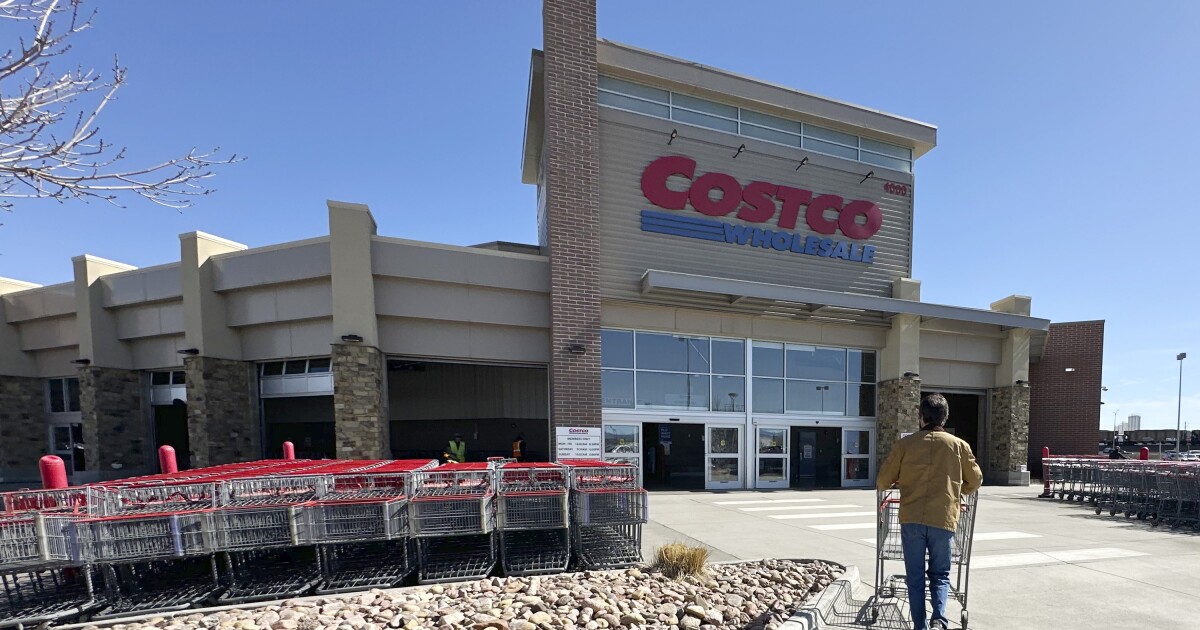
Photo by bosutn on Pixabay.