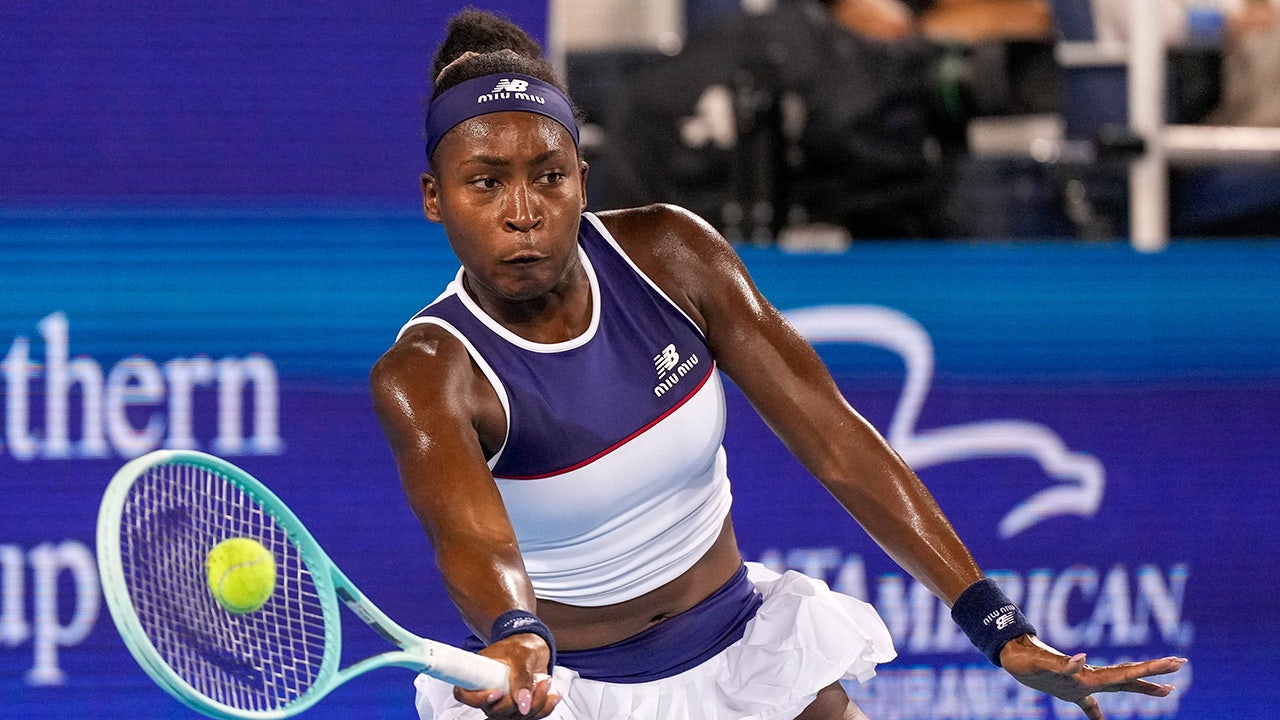
The Intersection of High Fashion and Personal Agency
Coco Gauff’s recent collaboration with Miu Miu highlights the growing tension between traditional luxury aesthetics and the demand for personal authenticity. By addressing public discourse regarding her natural hair, Gauff has moved beyond the role of a traditional brand ambassador to become an active participant in her own visual branding.
Operational Realities of Modern Campaigns
Gauff’s clarification—that the campaign involved minimal external styling—demystifies the high-fashion production cycle. This transparency challenges the notion that luxury imagery must be hyper-curated, suggesting that brands are increasingly willing to prioritize the ‘unpolished’ reality of their talent to resonate with socially conscious demographics.
Representation as a Strategic Asset
Gauff’s emphasis on 4C hair textures frames her physical appearance as a deliberate act of visibility. For luxury houses, this alignment creates a feedback loop: championing diversity can bolster brand equity among Gen Z and Millennial audiences, though it simultaneously risks friction with traditionalist market segments.
The Economics of Athlete-Led Discourse
Gauff’s decision to break her social media hiatus to contextualize the narrative demonstrates an acute awareness of brand equity management. In an era where silence is often interpreted as complicity, proactive direct communication acts as a form of risk mitigation, allowing the athlete to reclaim the framing of the event and protect the long-term value of the partnership.
Institutional Shifts in Athlete Branding
The transition from ‘neutral conduit’ to ‘active stakeholder’ represents a structural evolution in sports marketing. Agencies and luxury brands must now account for the viral, unscripted responses of athletes who prioritize personal value-alignment. This change forces brands to refine their talent selection criteria, ensuring that the intersection of product intent and individual expression remains cohesive to avoid brand dilution.
Digital Platforms and Narrative Control
Gauff’s use of long-form, direct-to-consumer video content serves as a case study in effective narrative control. By bypassing traditional media gatekeepers, she neutralizes criticism by situating her choices within a framework of empowerment. This strategy underscores the rising importance of autonomy in athlete branding, where the ability to communicate directly with audiences is now a critical competitive advantage.