Tactical Efficiency: Harper’s Leveraged Production
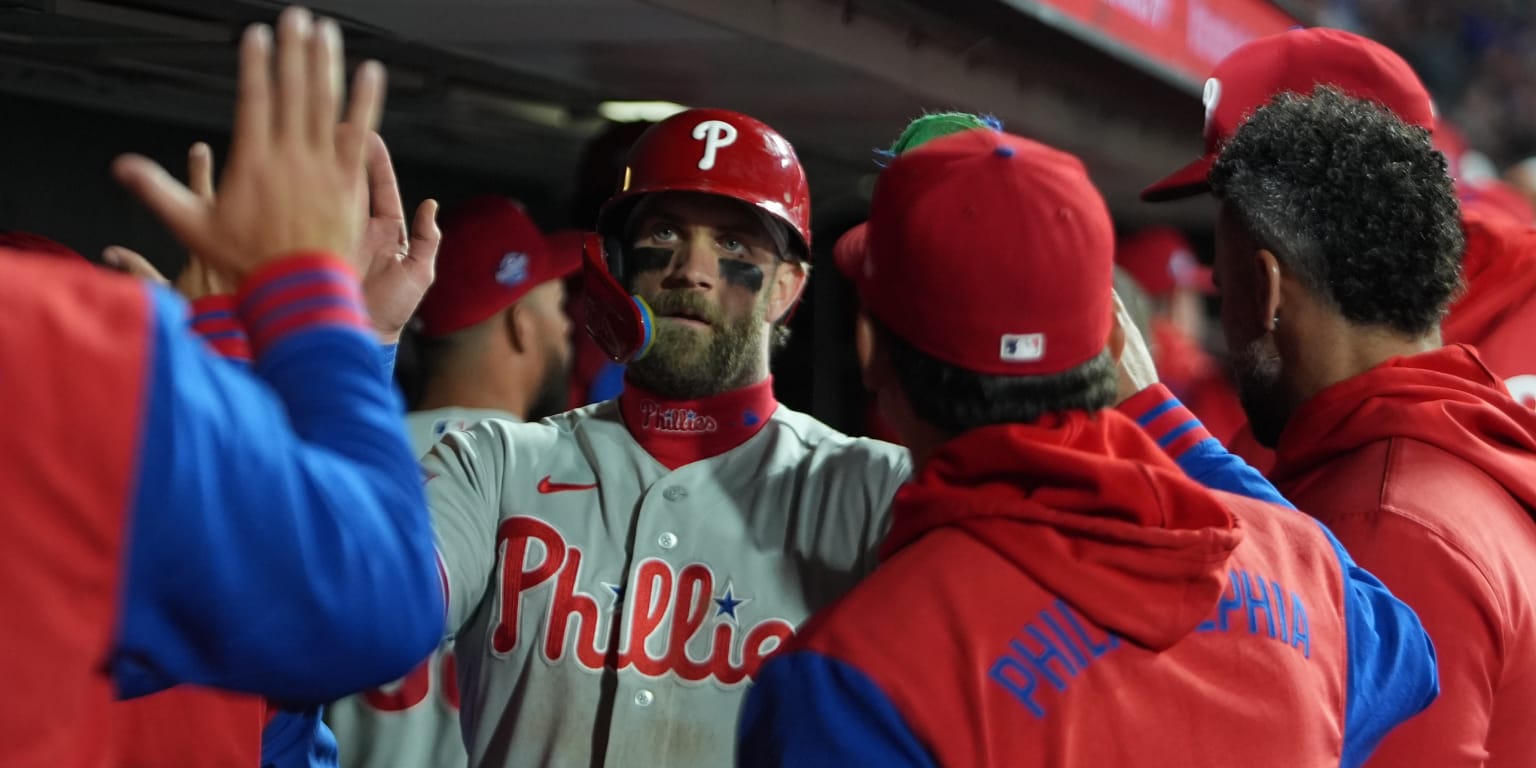
The Philadelphia Phillies’ 6-4 triumph over the San Francisco Giants serves as a statistical outlier that disrupts a decade of institutional underperformance at Oracle Park. Bryce Harper’s 3-for-4 performance—comprising two doubles and three RBIs—represents a necessary regression to the mean for a franchise player navigating early-season variance. By securing a series-opening win in San Francisco for the first time since 2014, the Phillies mitigated the psychological burden of a venue that has historically suppressed their offensive output.
Harper’s seventh-inning intervention, a game-tying two-run single, underscores the importance of Win Probability Added (WPA) in high-leverage sequences. This offensive surge corrected a period of stagnation through the initial four frames, where the lineup struggled to find rhythm. For the Phillies, converting late-inning opportunities is a structural requirement for maintaining a competitive delta in the National League standings, particularly when divisional margins are thin.
Institutional Stability and the ‘Elite’ Performance Benchmark
The scrutiny applied to Harper’s .139 average entering the contest highlights the asymmetric expectations placed on franchise cornerstones. In professional baseball, the ‘elite’ designation functions as an operational benchmark that influences everything from lineup protection to opposing pitching heatmaps. Harper’s preceding slump, characterized by a .538 OPS, created a production vacuum that overextended the secondary rotation and bullpen.
Manager Rob Thomson’s commitment to veteran continuity over reactionary lineup adjustments is a calculated move to preserve clubhouse equilibrium. This institutional patience is critical in a 162-game schedule, where volatility is a constant. The transition from home-field criticism to road-game heroics illustrates the cyclical nature of market sentiment and its total dependence on immediate, high-value output.
Operational Deficits in the Giants’ Relief Corps
The Giants’ inability to protect a lead exposes significant vulnerabilities in their roster architecture, specifically within the relief hierarchy. Despite an offensive uptick that provided a viable margin, the bullpen’s failure to contain the Phillies’ late rally points to a breakdown in execution during high-stress innings. In the modern game, the failure to bridge the gap between starters and closers is a primary driver of win-loss erosion.
This loss suggests a scouting disadvantage for the Giants, as Phillies hitters exploited specific pitch-sequence patterns. For San Francisco, the recurring instability of the bullpen necessitates an immediate reevaluation of deployment strategies and internal talent development to prevent these late-game collapses from becoming a season-defining trend.
Navigating Pitching Volatility and Development
The performance of the Phillies’ pitching staff during this series provides a case study in the non-linear nature of rotation development. While early appearances showed promise, the environment at Oracle Park proved less forgiving, highlighting the risks of relying on young talent without a consistent veteran buffer. The strategic decision to prioritize high-upside youth over floor-stable veterans increases the team’s ceiling but introduces a baseline of inconsistency that the offense must frequently counteract.
Historical Context and Financial Implications
Breaking a series-opening drought dating back to 2013 is more than a narrative milestone; it is a vital data point for the Phillies’ road-trip dynamics. Road performance often serves as the differentiator for postseason seeding. Harper’s historical comfort at Oracle Park provides a tactical edge that the front office must leverage to stabilize early-season standings.
From a financial perspective, Harper’s 3-RBI game justifies the massive investment required to secure franchise-altering talent. Every victory against a potential Wild Card competitor like the Giants carries compounded value in end-of-season tie-breaking procedures. This comeback demonstrates that when the core veteran group performs to expectation, it provides the necessary coverage for the developmental struggles of the younger roster components.