UNC Appoints NBA Champion Michael Malone as Head Basketball Coach
The University of North Carolina is finalizing the appointment of former Denver Nuggets head coach Michael Malone as its next men’s basketball coach. This move represents a significant strategic pivot for the storied collegiate program, aiming to leverage Malone’s championship pedigree and extensive NBA experience to elevate the Tar Heels’ competitive standing.
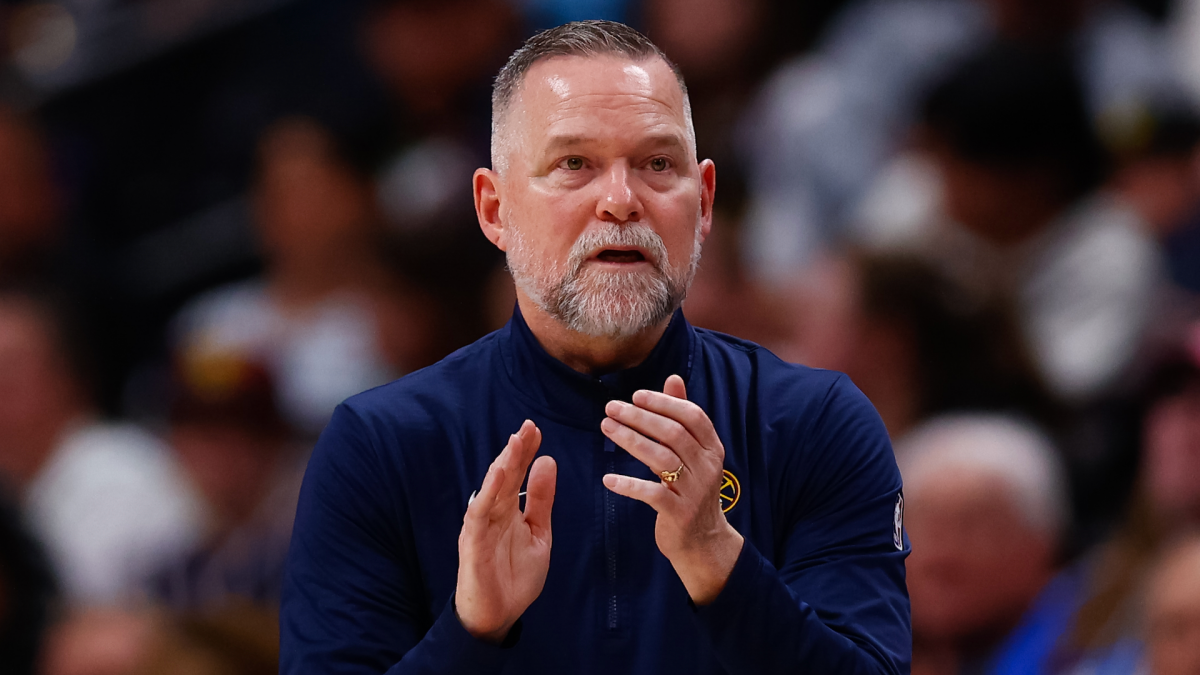
Malone brings a decade of NBA head coaching experience to Chapel Hill, notably leading the Denver Nuggets to their inaugural NBA title in the 2022-23 season. During his tenure, he amassed a franchise-record 471 regular-season wins, underscoring his capability for sustained success and program development at the highest professional level.
This high-profile hire follows the departure of Hubert Davis, whose tenure concluded after the Tar Heels’ early exit from the NCAA Tournament. UNC’s decision to pursue an established NBA figure like Malone signals a decisive shift towards immediate impact and a departure from conventional collegiate coaching recruitment pathways.
The strategic implications of Malone’s transition from the NBA to NCAA Division I basketball are substantial. His proven ability in player development, tactical innovation, and managing high-pressure environments, honed over ten seasons with the Nuggets, is expected to instill a new level of professionalism and competitive intensity within the UNC program.
Malone’s prior NBA head coaching experience, including a stint with the Sacramento Kings, provides him with a comprehensive understanding of team dynamics and organizational strategy. His dismissal from the Kings in 2014, however, also highlights historical challenges in translating coaching philosophies into long-term organizational success in the professional ranks.
The timing of this hire is noteworthy, occurring after other key collegiate coaching targets, such as Tommy Lloyd (contract extension) and Dusty May (commitment elsewhere), became unavailable. UNC’s pursuit also reportedly included respected NBA coach Billy Donovan, emphasizing the program’s focus on experienced, proven leadership.
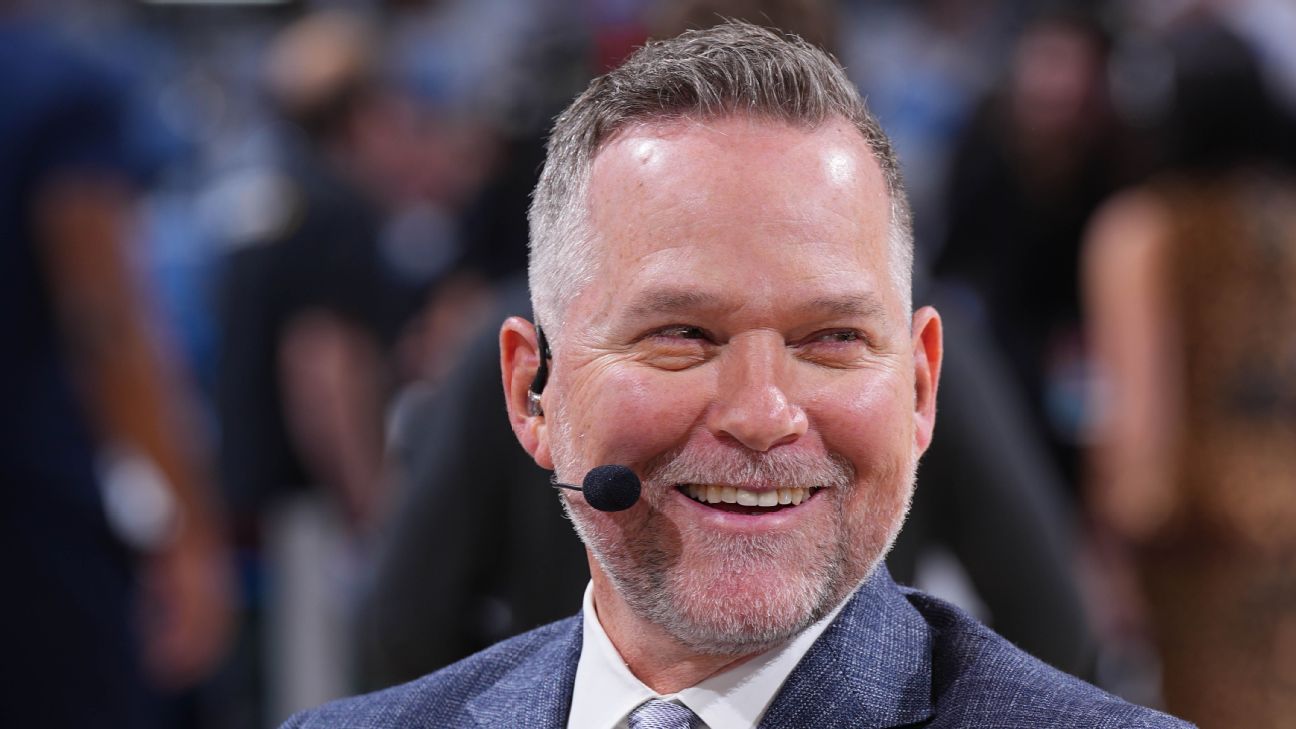
Malone’s recent role as an ESPN analyst offers a unique perspective on the current basketball landscape, potentially informing his approach to talent evaluation and strategic planning within the collegiate game. This period of observation may have provided him insights into emerging trends and competitive strategies across both professional and collegiate levels.
Securing an NBA championship-winning coach entails considerable financial and operational investment for a university athletic department. Such a commitment typically involves substantial salary packages, augmented recruiting budgets, and potential enhancements to facilities and support staff, reflecting a significant capital allocation toward achieving elite performance.
For UNC, this represents a bold strategic maneuver to reclaim national prominence and move beyond recent NCAA Tournament disappointments, including consecutive first-round exits. Malone is positioned as the catalyst for a potential new era of success for the Tar Heels.
The intensifying competitive landscape in college basketball sees programs increasingly adopting professional sports models for talent acquisition and strategic execution. Malone’s appointment aligns with this trend, as universities seek experienced leadership capable of navigating complex recruitment, player management, and game-day strategy.
Malone’s departure from the Nuggets in April 2024, concluding a decade-long tenure, marked the end of a significant chapter. His subsequent brief period as an analyst suggests a deliberate phase of reflection before committing to a demanding new role in collegiate athletics.
The strategic leverage UNC gains from this hire extends beyond the court, potentially enhancing the university’s brand appeal and alumni engagement. A coach with Malone’s championship pedigree can attract top-tier recruits, generate significant media attention, and bolster fundraising efforts, creating a positive feedback loop for the athletic department.
The decision to replace Hubert Davis, who succeeded Roy Williams, signifies a clear mandate for a different leadership style and strategic vision. Davis’s tenure, while focused on program continuity, did not ultimately yield the desired competitive outcomes in the NCAA Tournament.
Malone’s early head coaching experience with the Sacramento Kings, though ending prematurely, provided foundational exposure to the demands of leading a major professional league team. This, combined with his later success in Denver, offers a comprehensive understanding of the challenges and rewards of building and sustaining a winning basketball program.
The impact of this hire on the recruiting trail is likely to be immediate and profound. Top high school and transfer portal prospects will be drawn to the opportunity to play under an NBA champion, potentially altering the competitive balance for elite talent acquisition.
Furthermore, this move could influence other collegiate programs to explore unconventional hiring strategies, looking beyond traditional college coaching ranks for proven leaders from professional sports. This may lead to a broader recalibration of coaching recruitment philosophies across NCAA Division I.
While not explicitly detailed, the financial incentives for Malone are presumed to be substantial. Transitioning to a high-profile NCAA program often involves significant compensation packages, performance bonuses, and the opportunity to build a program with considerable institutional support.
The narrative of Malone’s transition also touches upon the evolving relationship between professional and collegiate sports. As boundaries blur concerning player movement, Name, Image, and Likeness (NIL) opportunities, and coaching methodologies, hires like this underscore a growing convergence of strategic approaches.
Malone’s operational challenges will include adapting his NBA-honed strategies to the unique collegiate basketball environment, encompassing NCAA regulations, academic requirements, and a distinct player development cycle. His success will depend on his ability to effectively mentor young athletes within this framework.
The competitive implications for the ACC conference are also significant. The addition of a coach with Malone’s championship pedigree to UNC’s coaching roster could elevate the conference’s overall profile and intensify rivalries.
Ultimately, UNC’s decision to hire Michael Malone is a bold strategic bet on a proven NBA winner to restore the Tar Heels to the pinnacle of college basketball. The success of this transition will serve as a key case study in the cross-pollination of coaching expertise between professional and collegiate sports.