The 2026 Masters Tournament represents a pivotal realignment in professional golf’s hierarchy. Rory McIlroy returns to Augusta National not as a seeker of history, but as its latest incumbent. Following his 2025 sudden-death playoff victory, McIlroy transitioned into the prestigious echelon of Career Grand Slam winners, fundamentally altering his psychological approach to the tournament from competitive desperation to institutional privilege.
By securing the Green Jacket, McIlroy decoupled his legacy from the systemic pressure of the spring season. This shift allows him to leverage the ‘Champions Advantage’—permanent locker room status and logistical familiarity—which historically serves as a performance multiplier. His decade-long narrative of near-misses has been replaced by a ‘freeing’ operational environment that may provide distinct leverage over peers still chasing historical validation.
The Scheffler Paradox: Talent vs. Competitive Rhythm
Despite McIlroy’s status, Scottie Scheffler remains the statistical favorite at +500. However, Scheffler’s 2026 preparation introduces a high-risk variable: a three-week competitive hiatus. Augusta National data confirms that recent rhythm is the primary determinant of success; nine of the last ten champions recorded a top-10 finish in their three starts immediately preceding the Masters.
Only Adam Scott (2013) has overcome a three-week layoff to win in the last forty years. This creates a tension between Scheffler’s raw dominance and the venue’s rigid requirement for active competitive sharpness. Market analysts must weigh his individual ceiling against a systemic trend that favors those with recent tournament reps.
Strategic Incentives and the Grand Slam Pursuit
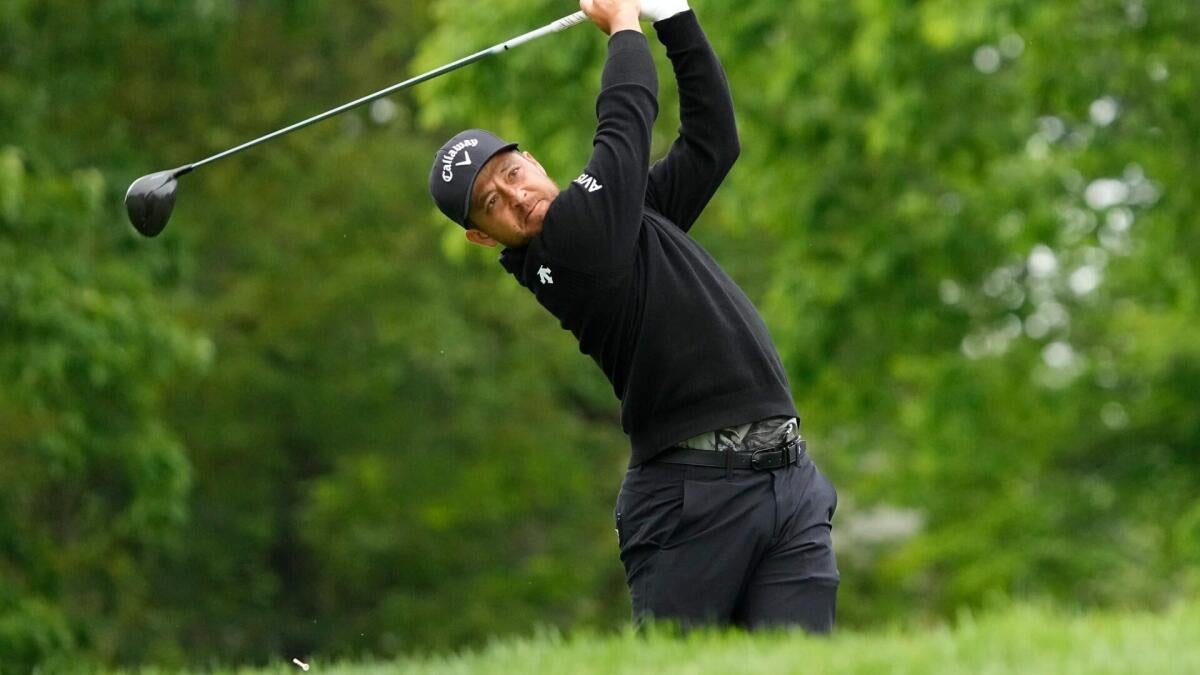
The 2026 field features a dense secondary tier of contenders—Xander Schauffele, Collin Morikawa, and Brooks Koepka—each one win away from completing the third leg of the Career Grand Slam. This incentive structure typically dictates aggressive risk-reward management on Augusta’s back nine. For Koepka, a victory would further validate the competitive viability of LIV Golf participants in 72-hole major formats.
SportsLine’s predictive modeling, utilizing 10,000 simulations, suggests value lies in players hitting specific ‘Augusta boxes.’ While Bryson DeChambeau and Jon Rahm (+1000) offer power-centric profiles, the depth of the field is highlighted by Ludvig Aberg and Schauffele at +1600, indicating a narrowing gap between the elite and the challengers.
Institutional Continuity and the April 9 Start
Commencing April 9, 2026, the tournament serves as the ultimate site of professional integration. The presence of Rahm and DeChambeau at the top of the odds board suggests that the market views competitive sharpness as tour-agnostic. As McIlroy hosts the Champions Dinner, the focus shifts from simulations to the technical realities of Magnolia Lane, where the margin of victory is consistently measured in inches and mental fortitude.