Trump’s Easter Remarks Ignite Controversy
During an official White House Easter lunch on April 1, 2019, remarks by President Donald Trump and his spiritual adviser, Paula White-Cain, generated significant controversy. White-Cain’s comparison of Trump’s suffering to that of Jesus Christ, captured in a video that was later removed from public view, set a tone that many found unusual and attention-grabbing.
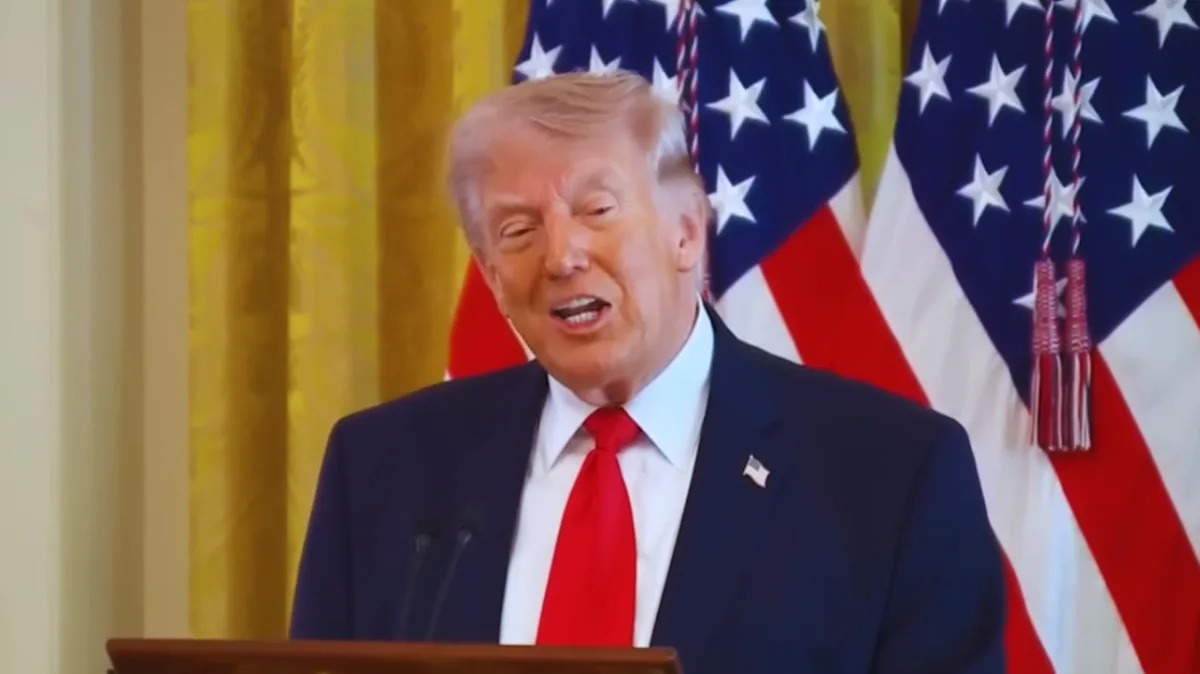
However, darker undertones emerged from Trump’s own address. He invoked the national motto, “In God We Trust,” and then differentiated between those who accept this vision of America and “groups of people” for whom it is “unacceptable.” His pronouncement that “We don’t deal with them. We cast them aside; There’s no talking to these people. They’re crazy” framed his policy approach as one of exclusion rather than engagement.
Trump’s subsequent statement, “That’s why this Easter we are bringing back religion to America,” framed these pronouncements not as off-the-cuff remarks at a rally, but as part of an official White House event. This context amplified the perceived intent and strategic messaging behind his words, moving beyond mere political rhetoric to a declaration of intent regarding societal divisions.
Critique from Religious Figures
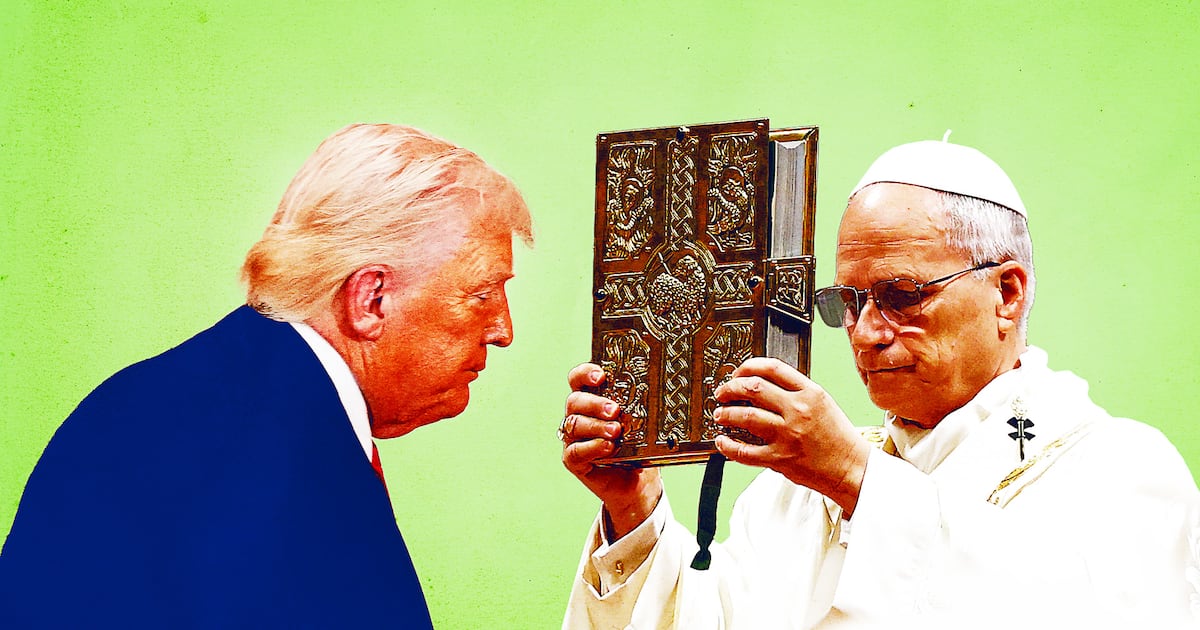
The comparison of Donald Trump to Jesus Christ drew sharp condemnation from religious leaders. Father Brian Jordan, pastor of The Church of St. Francis of Assisi in New York, dismissed the comparison as sacrilegious, stating, “Donald Trump is no more Jesus Christ than I am an astronaut on Pluto.” This sentiment underscores a fundamental theological objection to equating a political figure with a central religious icon.
Father Jordan also criticized those who assented to White-Cain’s comparison, labeling them “champions of clever sophistry.” He argued that their actions did not align with Christian principles, asserting their insensitivity to the needs of the poor, immigrants, the disabled, and individuals with diverse gender orientations. This critique highlights a perceived disconnect between professed faith and demonstrated actions within certain political circles.
Father Jordan contrasted Trump’s approach with the teachings of Jesus, suggesting that Jesus would advocate for peace, specifically mentioning efforts to bring peace to Iran and Ukraine, and would prioritize addressing global hunger. This comparison serves to delineate a perceived divergence between the actions and rhetoric of the Trump administration and core tenets of Christian humanitarianism.
Strategic Implications of Exclusionary Rhetoric
Trump’s declaration to “cast aside” groups for whom the national motto is “unacceptable” signals a strategic pivot towards an explicitly exclusionary political framework. This approach moves beyond traditional partisan divides to delineate a boundary based on perceived ideological or cultural alignment with a specific vision of America, suggesting a deliberate effort to consolidate a base by alienating perceived opponents.
The framing of these groups as “crazy” and beyond dialogue serves to delegitimize any opposition and preemptively dismiss potential critiques. This rhetorical strategy aims to solidify the narrative that those who disagree are not merely holding different opinions but are fundamentally irrational, thereby justifying their marginalization and exclusion from political discourse and policy considerations.
The timing of these remarks during an official White House Easter event, coupled with the assertion of “bringing back religion to America,” suggests a deliberate attempt to imbue political actions with a sense of divine mandate. This strategy seeks to elevate policy decisions and political stances beyond the realm of secular debate, positioning them as aligned with religious or moral imperatives, thereby strengthening their perceived legitimacy among a specific demographic.
Media Framing and Public Perception
The media’s initial focus on the Paula White-Cain comparison, while significant for its sensationalism, potentially diverted attention from Trump’s own more pointed remarks about “groups of people.” The rapid spread of the Jesus comparison clip, amplified by internet culture, ensured widespread visibility but may have overshadowed the deeper implications of the President’s exclusionary statements.
The White House’s subsequent removal of the video from public view indicates an awareness of the reputational damage or strategic miscalculation associated with the Jesus comparison. This action, however, does not erase the initial impact or the underlying messaging conveyed during the event, leaving the broader context of the remarks open to interpretation and further scrutiny.
The contrast between the viral nature of the spiritual adviser’s comments and the more substantive, albeit less immediately sensational, presidential remarks highlights a recurring dynamic in political communication. The internet’s propensity for viral content can sometimes obscure more nuanced or strategically significant pronouncements, shaping public discourse around the most attention-grabbing elements rather than the most consequential.
Institutional Impact and Governance
The pronouncements made at the Easter lunch have implications for the institutional understanding of governance and national identity. By defining “acceptable” visions of America and advocating for the “casting aside” of those who reject them, the administration signaled a departure from principles of inclusivity and open dialogue foundational to democratic societies.
This approach risks exacerbating societal divisions by creating an “us vs. them” mentality, where political opponents are not merely adversaries but are deemed outside the bounds of legitimate discourse or even societal acceptance. Such rhetoric can undermine social cohesion and foster an environment where political disagreements escalate into deeper, more intractable conflicts.
Furthermore, the invocation of religion to legitimize exclusionary political stances raises questions about the separation of church and state and the potential for religious doctrine to be instrumentalized for political gain. This can lead to policies that favor specific religious interpretations or groups, potentially alienating or marginalizing those with different beliefs or no religious affiliation.
Capital and Resource Allocation
The rhetoric of exclusion and the “bringing back religion” agenda can have tangible impacts on capital and resource allocation. Policies that favor certain groups or ideologies, based on their perceived alignment with a specific national vision, can lead to differential access to government programs, funding, and economic opportunities.
Conversely, groups deemed “unacceptable” or “crazy” may find themselves systematically disadvantaged, facing reduced access to public services, investment, and support. This can create economic disparities and hinder the overall economic development of communities marginalized by such exclusionary policies.
The focus on religious alignment as a criterion for acceptance or rejection also has implications for philanthropic and corporate giving. Organizations and individuals may feel pressured to align with the prevailing political and religious narrative to secure favorable treatment or avoid negative repercussions, influencing the flow of capital within the non-profit and corporate sectors.
Performance Leverage and Political Strategy
Trump’s strategy of “casting aside” perceived adversaries and “bringing back religion” can be viewed as a tactic to mobilize a specific voter base and enhance political performance leverage. By creating a clear dichotomy between supporters and opponents, the administration sought to energize its core constituency and frame the political landscape in stark, easily digestible terms.
This approach leverages the power of identity politics, appealing to a sense of shared values and grievances among a particular demographic. The “bringing back religion” narrative taps into a desire among some segments of the population for a return to perceived traditional values and a greater public role for religious influence.
The effectiveness of this strategy hinges on its ability to translate into electoral success. By alienating certain groups, the administration may solidify support among others, creating a more committed and energized base. However, this approach also carries the risk of alienating moderate voters and creating a more polarized electorate, potentially limiting broader appeal and long-term political sustainability.
Downstream Effects on Societal Discourse
The implications of such rhetoric extend beyond immediate political gains to shape the broader societal discourse. When a leader publicly advocates for the exclusion of certain groups, it can normalize such sentiments and embolden individuals and organizations to express similar exclusionary views.
This can lead to an erosion of civil discourse, where political disagreements are increasingly characterized by animosity and a lack of empathy. The “us vs. them” framing can make it more difficult to find common ground or engage in constructive dialogue, hindering the resolution of complex societal challenges.
Moreover, the instrumentalization of religion for political purposes can lead to a politicization of faith itself, potentially dividing religious communities and undermining the unifying aspects of religious belief. This can create a more fragmented and contentious religious landscape, mirroring the broader societal polarization.
Competitive Landscape and Opposition Response
The exclusionary rhetoric employed by Trump creates a distinct competitive landscape for political opposition and civil society organizations. It necessitates a strategic response that not only counters the specific policy implications but also addresses the underlying ideological framing.
Opposition groups may find themselves compelled to defend the rights and inclusion of the marginalized groups targeted by such rhetoric. This can involve advocacy, legal challenges, and public awareness campaigns aimed at highlighting the negative consequences of exclusion and promoting principles of diversity and equality.
The “bringing back religion” narrative also presents a challenge for secular institutions and those who advocate for a secular public square. They may need to articulate a compelling vision of national identity and governance that is inclusive of all citizens, regardless of their religious beliefs or affiliations, and that upholds the principles of religious freedom and separation of church and state.
Long-Term Strategic Considerations
From a long-term strategic perspective, the approach of “casting aside” segments of the population carries significant risks. While it may galvanize a core base in the short term, it can alienate a broader electorate and create lasting societal divisions that are difficult to heal.
The “bringing back religion” agenda, if interpreted as an attempt to impose a specific religious viewpoint on public life, could lead to backlash from secularists and members of minority religious groups. This could result in increased political mobilization against such efforts and a further fracturing of the national consensus.
Ultimately, the sustainability of a political strategy built on exclusion and the instrumentalization of religion is questionable. Democratic societies typically thrive on inclusivity, dialogue, and the protection of minority rights. A sustained departure from these principles risks undermining the foundational elements of a stable and prosperous nation, creating long-term vulnerabilities that outweigh any short-term political gains.