Strategic IP Management in Streaming: The ‘XO, Kitty’ Case Study
The third season of the streaming series XO, Kitty represents a critical juncture in intellectual property management, transitioning from initial spin-off validation to a sophisticated strategy of narrative maturation and audience retention. The show’s progression, characterized by strategic legacy integration and complex character arcs, illustrates a calculated approach to maximizing franchise value in a highly competitive content landscape. The transition of characters like Kitty Song Covey and Min Ho into their senior year at KISS, coupled with significant personal and professional decisions, serves as a mechanism to mature the narrative alongside its core audience, ensuring long-term engagement.
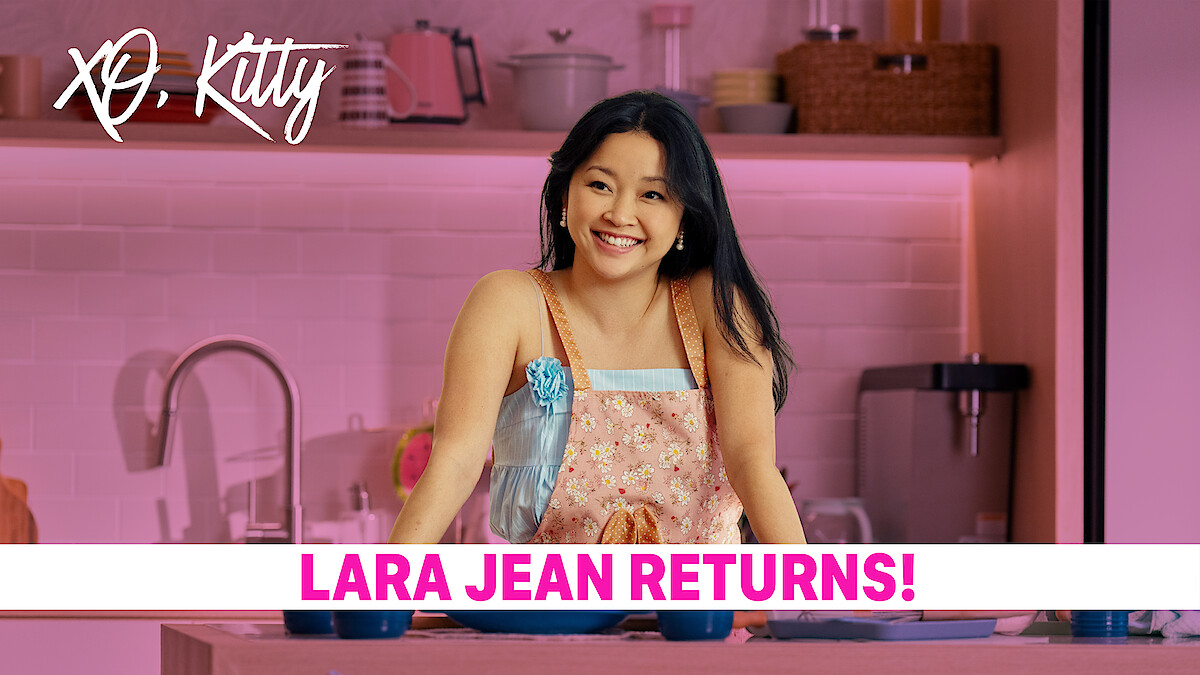
A central element of this strategy is the strategic reintroduction of key figures from the original To All the Boys I’ve Loved Before universe. The return of Lana Condor as Lara Jean, following Noah Centineo’s appearance in Season 2, transcends simple nostalgia; it is a deliberate business decision to reinforce the continuity of the intellectual property. By bringing back established characters, the production leverages pre-existing emotional investment from the legacy audience, mitigating the inherent risk of developing a spin-off and ensuring high viewership for subsequent seasons. This approach validates the spin-off’s place within the larger narrative ecosystem, transforming it from a standalone series into an essential continuation of the franchise and provides a valuable “full-circle moment” for long-time fans.
Narrative Evolution and Character Development Strategy
The narrative choices in Season 3 reflect a strategic pivot from high school romance to themes of individual ambition and identity formation, essential for sustaining a multi-season series. Min Ho’s character arc, in particular, illustrates this shift. His initial role as a romantic rival gives way to a complex protagonist grappling with self-discovery. His attempt to establish himself in the music industry, separate from his father’s legacy, and the subsequent failure of this venture, serves as a critical plot device. This development allows the character to explore professional identity and personal growth, mirroring the real-world challenges faced by the show’s target demographic as they approach adulthood. The shift from Min Ho’s initial focus on external validation to internal motivation broadens the show’s thematic scope and deepens audience investment in his journey.
This maturation strategy extends beyond Min Ho. Kitty’s progression and her decision to enroll at NYU signal a calculated move toward exploring ‘new adult’ themes. The narrative device of long-distance relationships and post-secondary challenges ensures the show remains relevant to its aging audience. By prioritizing Min Ho’s self-discovery over immediate romantic outcomes, even in the face of Kitty’s enrollment at NYU, the series aligns with modern audience preferences for complex character arcs over simplistic romantic conclusions. Actor Sang Heon Lee’s commentary on Min Ho’s decision to prioritize his ambitions and “trust his heart” underscores the narrative’s focus on personal agency, which is key for audience retention in a series transitioning out of its initial YA phase.
Market Positioning and Cultural Leverage (Hallyu Strategy)
The show’s setting in Seoul and its incorporation of elements related to the K-pop industry are strategic decisions designed to capitalize on the global rise of Korean culture, or Hallyu. By centering the spin-off in Seoul and integrating plotlines involving music careers and local cultural dynamics, the production positions itself to appeal to a broader international audience already invested in K-dramas and K-pop aesthetics. This approach diversifies the market appeal of the franchise, moving beyond its initial American high school setting to embrace a globalized narrative framework. The strategic choice to film in Seoul and highlight the cultural environment enhances the show’s authenticity and relevance to contemporary media trends, differentiating it from other YA content by offering a unique blend of American narrative conventions and Korean cultural elements.
The focus on Min Ho’s music career, even in its failure, reflects a broader trend in global media where content creators strategically integrate elements of high-growth cultural sectors. The K-pop industry, with its global reach and dedicated fanbase, provides a compelling backdrop for character development and plot progression. By exploring this environment through Min Ho’s perspective, the show taps into a powerful cultural current, increasing its visibility and resonance with audiences interested in global entertainment.
Stakeholder Implications and Future Consequences
The strategic narrative choices in Season 3 have significant implications for the professional leverage of the actors involved. For Sang Heon Lee, the expansion of Min Ho’s character arc from a secondary role to a central figure grappling with complex ambitions enhances his professional profile and marketability. The narrative’s emphasis on Min Ho’s self-discovery positions the actor as a key asset in the franchise’s future, providing a stronger foundation for potential spin-offs or future projects centered around his character.
Lana Condor’s return as Lara Jean reinforces her connection to the franchise that launched her career. This strategic move benefits both the production and the actor. For the production, it ensures audience continuity and leverages the emotional weight of the original series. For Condor, it maintains her association with a successful IP, potentially opening doors for future collaborations within the same universe or similar projects. The ability of the production to secure the return of key talent underscores the value of maintaining strong relationships with actors who have contributed significantly to the franchise’s success.
By successfully transitioning the characters into adulthood, the production sets the stage for future spin-offs or continuations that explore different facets of the characters’ lives. The focus on Min Ho’s new ambitions and Kitty’s move to NYU creates a framework for exploring new settings and challenges, ensuring that the franchise remains dynamic and adaptable. This strategic foresight in narrative planning is crucial for maximizing the long-term value of the IP and maintaining audience interest in a highly competitive market where content longevity is paramount.