Strategic Implications of High-Leverage Execution in Early Season Play
The Texas Rangers’ 2026 home opener resulted in a 5-3 loss to the Cincinnati Reds, decided by a late-inning home run that exposed critical vulnerabilities in high-leverage situations. The outcome underscores the strategic importance of bullpen management and offensive execution in the early stages of a season, where momentum and confidence are established for both competing clubs. The game’s turning point arrived in the top of the ninth inning, with the score tied at 3-3.
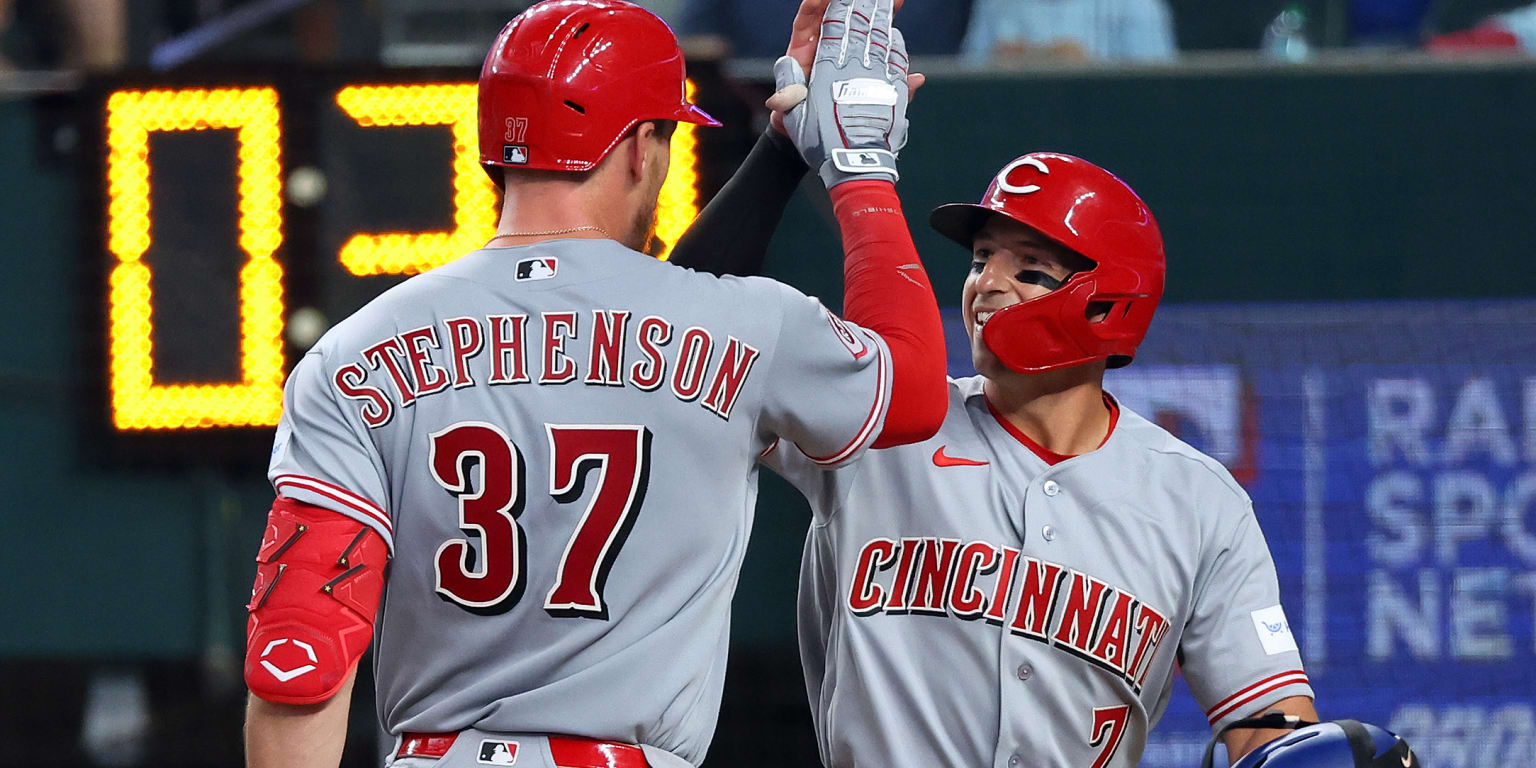
The decisive sequence began when Reds hitter Spencer Steer led off with a double against Rangers reliever Chris Martin. The strategic risk associated with allowing the leadoff batter to reach base in a high-leverage situation immediately forces the pitching staff into a defensive posture. This initial mistake set the stage for Tyler Stephenson’s subsequent two-run home run, highlighting how minor execution errors can be dramatically magnified by disciplined hitting.
Stephenson’s at-bat, which culminated in his first home run of the season, illustrates the strategic value of situational hitting. Despite being down 0-2 in the count, Stephenson worked a full count before connecting with a sinker from Martin. His post-game comments, stating he was “Just trying to get the job done; get Spence over,” reflect a process-oriented approach that prioritizes advancing runners over seeking a home run. The result, however, demonstrates how a single mistake in pitch location can alter the outcome when facing a disciplined hitter in a critical moment.
Analysis of Pitching Performance and Asset Valuation
For the Texas Rangers, the game’s outcome overshadowed a strong performance by starting pitcher MacKenzie Gore. Gore delivered six innings, striking out nine batters while allowing three runs, all of which came via home runs from Spencer Steer and Elly de la Cruz. This performance profile presents a complex picture for asset valuation and strategic planning, balancing high strikeout capability with vulnerability to the long ball.
Gore’s ability to pitch six innings with nine strikeouts provides significant operational value to the Rangers’ pitching staff. In modern baseball, where starting pitcher workloads are carefully managed, a six-inning outing reduces the strain on the bullpen, allowing the manager greater flexibility in deploying high-leverage relievers. This efficiency is critical for maintaining bullpen effectiveness over the course of a long season.
However, the fact that all runs against Gore were generated by home runs highlights a specific strategic vulnerability. While a high strikeout rate indicates dominant stuff, the tendency to surrender home runs can be a significant risk factor, particularly in a high-offense environment like Globe Life Field. For the Rangers’ coaching staff, this performance necessitates a deeper analysis of pitch selection in high-leverage counts and specific matchup strategies to mitigate this risk without compromising Gore’s overall effectiveness.
Managerial Transition and Stakeholder Engagement
The home opener marked a significant milestone for the Texas Rangers, serving as the first home game for new manager Skip Schumaker. Managerial changes represent a critical strategic decision for professional sports organizations, often signaling a shift in philosophy, culture, or operational focus. Schumaker’s comments, expressing gratitude for the opportunity and hoping players feel the same, emphasize the importance of cultural alignment and stakeholder buy-in in a new regime.
The home opener itself is a critical event for stakeholder engagement, extending beyond the on-field competition. The event serves as a primary touchpoint for fans, sponsors, and local media, shaping early perceptions of the team’s direction for the season. The ceremonial first pitch, thrown by Dallas Stars goaltender and Olympic gold medalist Jake Oettinger, demonstrates a strategic effort to leverage cross-promotional opportunities within the local sports market, enhancing brand visibility and community engagement.
The loss in the home opener, described in media reports as “heartbreaking,” creates an immediate challenge for the new manager and organization. While a single game does not define a season, early results significantly influence fan sentiment and media narratives. For Schumaker, navigating the expectations of a new fan base and maintaining team morale after a high-profile loss requires careful management of internal and external communications to ensure the team remains focused on long-term goals rather than short-term setbacks.
Offensive Performance and Team Construction Strategy
The Rangers’ offensive performance in the home opener provided mixed results, generating eight hits but failing to convert opportunities into sufficient runs to secure a victory. The offense demonstrated flashes of potential, with key contributions from players like Danny Jansen (2-RBI double) and Wyatt Langford (RBI double), as well as Evan Carter’s double in the second inning. This performance highlights the importance of timely hitting and the challenge of converting base runners into runs against quality pitching.
The contributions from young players like Carter and Langford are central to the Rangers’ long-term team construction strategy. These players represent high-value assets with significant potential for future production. Their performance in high-leverage situations, such as Langford’s game-tying RBI double in the seventh inning, provides positive reinforcement for the organization’s investment in player development. However, the overall offensive output in the loss underscores the need for consistent production across the lineup to support the pitching staff.
The strategic value of players like Jansen, a catcher who contributed a 2-RBI double, lies in their ability to provide offense from positions typically focused on defense. This depth in offensive production across the lineup increases the team’s flexibility and reduces reliance on top-of-the-order hitters. The overall performance in the home opener suggests that while the Rangers possess significant offensive potential, consistency in execution remains a key challenge for the new managerial regime.