
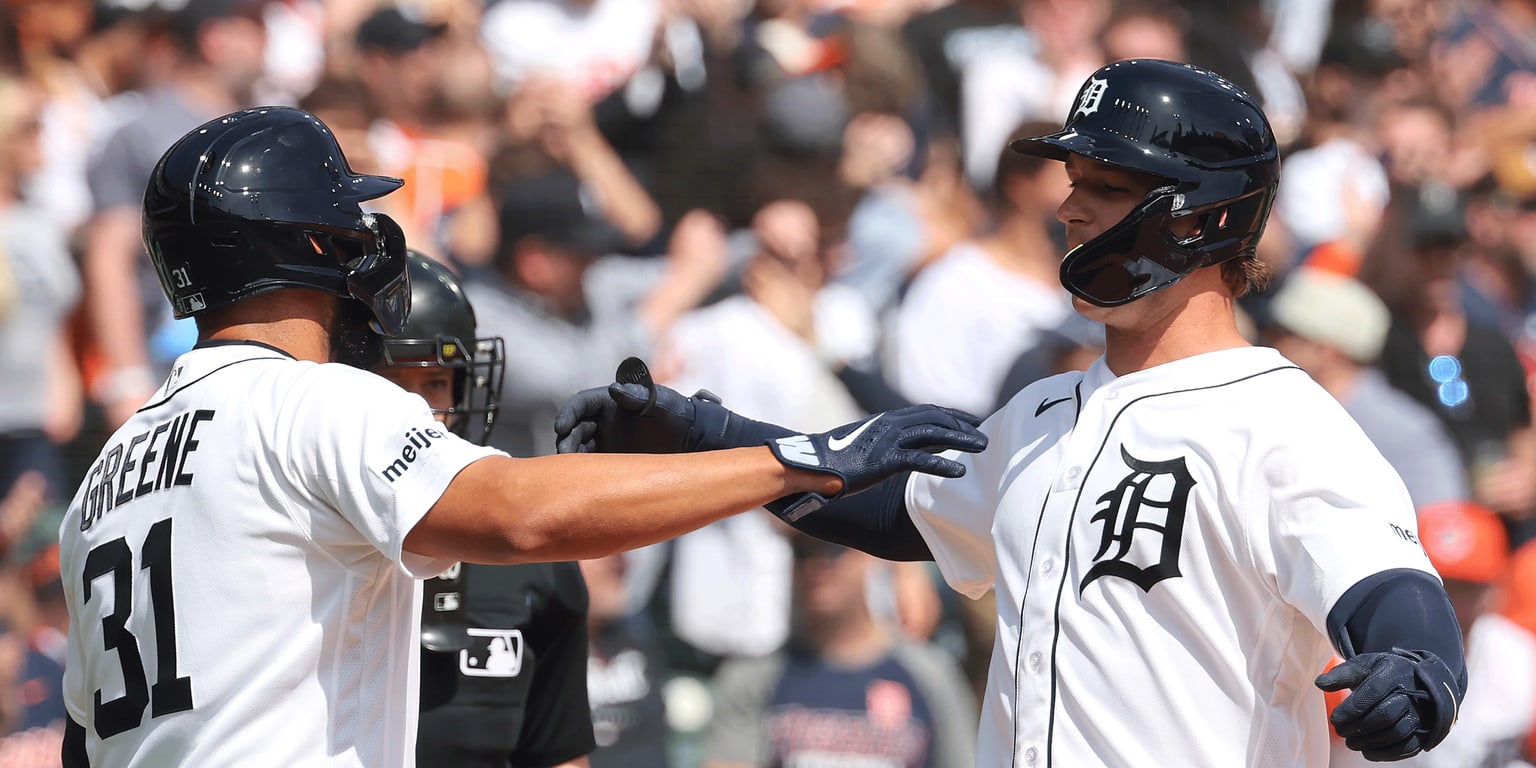
The Detroit Tigers’ 2026 home opener at Comerica Park served as a critical inflection point, transitioning the narrative from early-season volatility to tactical stability. Following a suboptimal four-game sequence in Arizona characterized by defensive inefficiencies, the 4-0 shutout of the St. Louis Cardinals provided an empirical validation of the organization’s long-term developmental cycle and roster construction philosophy.
Institutional Patience: The Catcher Development Cycle
The ascendancy of Dillon Dingler represents the culmination of a high-discipline developmental trajectory. Selected in 2020, Dingler’s progression reflects a refusal to prioritize short-term gains over fundamental maturation. This institutional patience has yielded a catcher capable of high-level game-calling and situational power. His offensive output—accounting for the roster’s only early-season home runs—signifies a shift in team dynamics; by cultivating internal power at a premium defensive position, the Tigers have optimized their capital allocation and reduced reliance on high-variance free-agent acquisitions.
Rotational Infrastructure: The Valdez-Dingler Synergy
Framber Valdez’s performance underscored the strategic necessity of veteran stability within a rotation of developing arms. Beyond the statistical 4-0 result, Valdez functioned as a mechanical anchor, mitigating the psychological impact of the previous road trip. The synergy between Valdez and Dingler highlights a sophisticated pitcher-catcher infrastructure focused on run prevention. This partnership is the primary differentiator in the American League Central, where the ability to navigate high-leverage innings with tactical precision often outweighs raw offensive volume.
The ‘Detroit Brand’: Tactical Execution and Environmental Adaptation
The organizational emphasis on a specific ‘Detroit brand of baseball’ centers on defensive consistency and situational leverage. This philosophy is tailored to the environmental realities of Comerica Park, where early-season atmospheric conditions often necessitate a pitching-heavy, conservative approach. The victory demonstrated a high degree of situational awareness; despite missed opportunities cited in post-game self-critiques, the team’s ability to capitalize on thin margins reflects a matured coaching philosophy that prioritizes high-percentage plays over high-variance slugging.
Market Viability and Stakeholder Reassurance
From a commercial perspective, the home opener is a vital revenue catalyst. The ‘playoff atmosphere’ noted by observers translates directly into brand equity and consumer confidence. For stakeholders, the performance mitigated the risk of early-season apathy following the Arizona slump. The emergence of roster depth—evidenced by contributions from Kerry Carpenter and the integration of McGonigle—suggests a team built for the attrition of a 162-game schedule, positioning the franchise as a sustainable contender in the 2026 campaign.

Photo by SarahRichterArt on Pixabay.