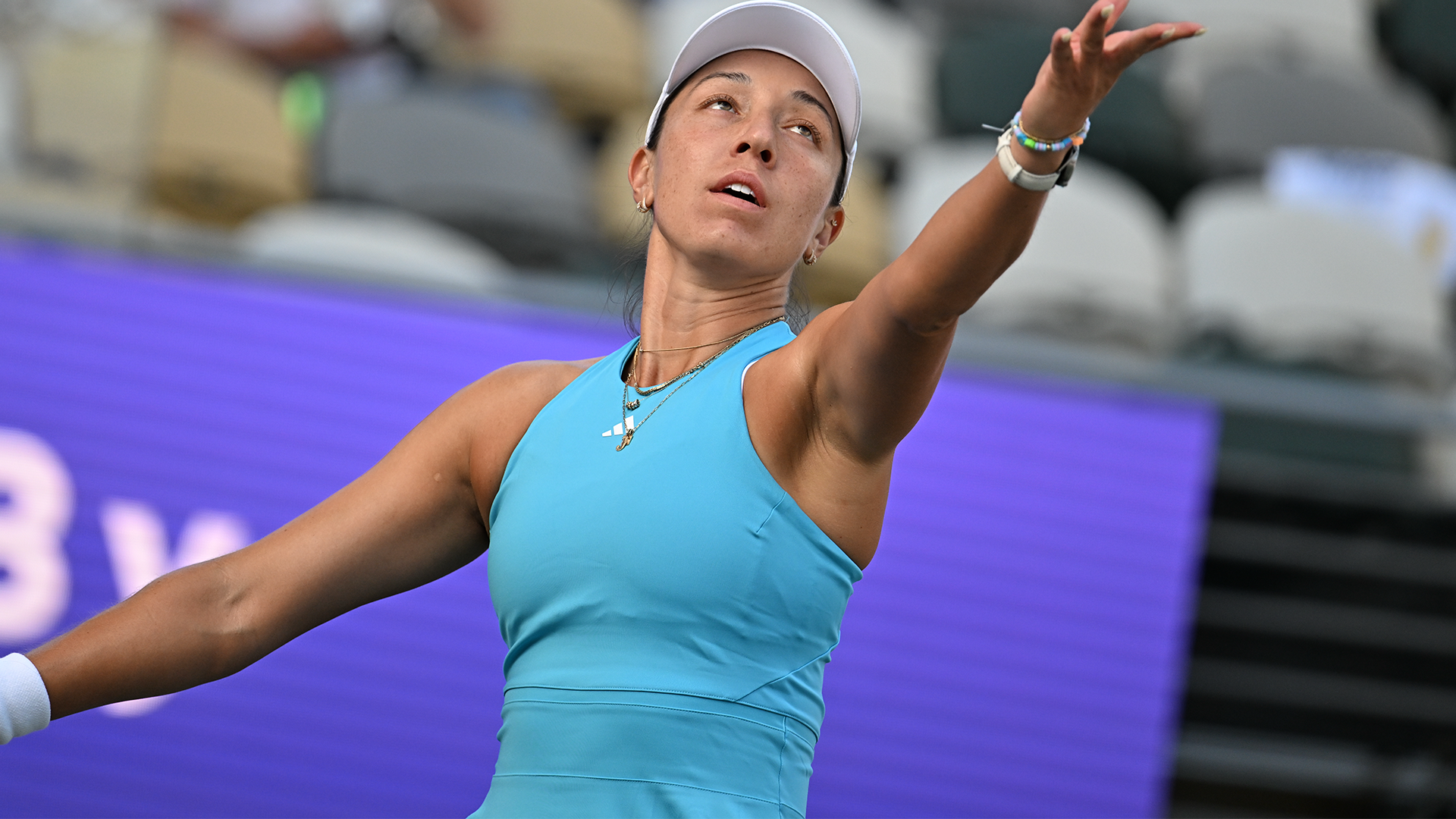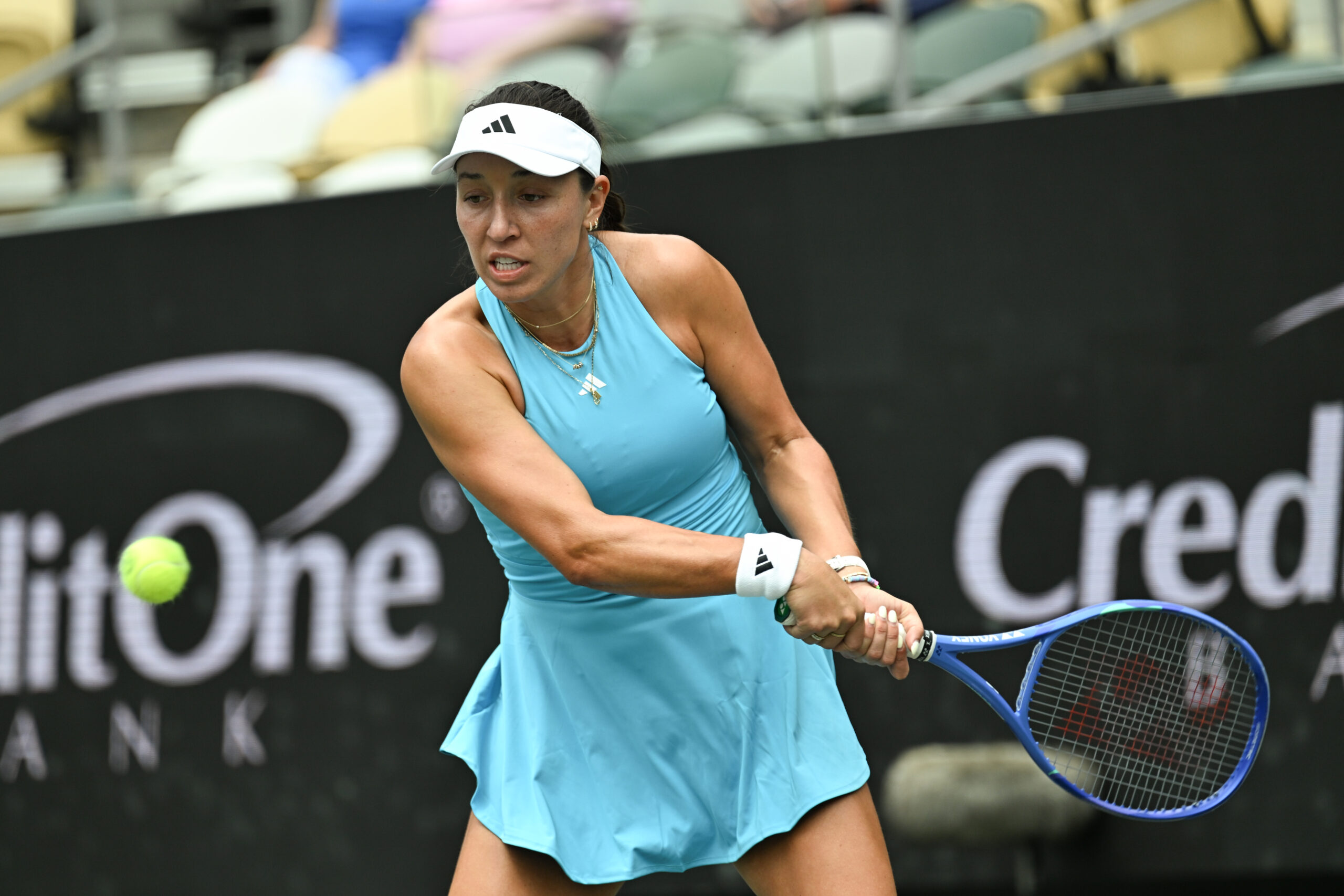
Pegula’s Tenacious Charleston Run Underscores Mental Fortitude
Jessica Pegula’s defense of her Credit One Charleston Open title is a compelling display of resilience, characterized by overcoming significant early deficits. For the third consecutive match, the top seed has rallied from a set down, and often a break down in the deciding third set, to secure victory.
This recurring pattern, most recently against Diana Shnaider where Pegula trailed 2-0 in the final set before winning six consecutive games, demonstrates a potent ability to recalibrate under duress. This is not an isolated phenomenon, as Pegula previously overturned third-set deficits against Yulia Putintseva and Elisabetta Cocciaretto.
Pegula’s statistical dominance in extended matches is noteworthy. Her 2024 record in three-set encounters now stands at an impressive 9-1, extending a trend from the previous year where she posted an 18-4 record in such matches. This consistent success in protracted contests establishes her as a formidable competitor.
Her progression to a fourth semifinal in six tournaments this year, including an upcoming match against Iva Jovic (whom she recently defeated in Dubai), signifies sustained high-level performance. This consistent presence in late tournament stages indicates robust strategic planning and operational efficiency.
Strategic Adaptation and Psychological Edge
The consistent need for Pegula to stage comebacks suggests potential challenges in her initial match phases, possibly related to adapting to opponents’ early momentum or specific game plans. However, her sustained success in these high-pressure scenarios highlights a profound psychological edge and an execution capability under demanding circumstances.
Pegula’s candid on-court commentary, referencing “no more lives left” and relying on her “sense of humor,” offers insight into the mental toll of these prolonged battles. This self-awareness and coping mechanism are critical components of her competitive arsenal, enabling focus and composure amid adversity.
Occasional flashes of frustration directed at her coaching team, Mark Knowles and Mark Merklein, underscore the intensity of these matches and the internal pressure. This player-coach dynamic during critical junctures is key to understanding her game plan execution.
Pegula’s ability to convert crucial break points, even when self-doubting her conversion rate, demonstrates a capacity to deliver when it matters most. This psychological resilience, combined with tactical adjustments, is a significant factor in her sustained tour success.
Competitive Landscape and Future Implications
The withdrawal of key contenders inherently elevates Pegula’s perceived path to the Charleston title. Such events alter competitive dynamics, potentially reducing direct threats and reinforcing her favorite status.
Pegula’s consistent advancement to semifinals, even through challenging early rounds, signals strong operational capacity. This performance trajectory suggests her strategic planning is yielding consistent results, positioning her favorably for further success.
The nature of clay-court tennis, with its longer rallies and increased physical demands, aligns with Pegula’s demonstrated ability to excel in three-set matches. This surface affinity, coupled with her mental fortitude, creates a potent combination for sustained performance.
Her upcoming semifinal against Iva Jovic offers an opportunity for strategic recalibration based on past encounters. The outcome will further illuminate Pegula’s current form and title contention readiness, impacting her ranking and future seeding.
Operational Insights and Performance Leverage
Pegula’s record in three-set matches highlights a critical performance leverage: her consistent ability to win when matches are extended. This is a significant advantage against opponents who may falter under prolonged pressure.
The operational efficiency required to win three consecutive three-setters, involving significant time on court and repeated strategic adjustments, attests to her physical conditioning and mental preparedness. This endurance is key to maintaining a high level of play throughout a tournament.
Her strategic decision-making during critical junctures, particularly in third sets, is a focal point. The fact that she can come back from significant deficits suggests a well-drilled tactical approach that adapts to changing match conditions and opponent strategies.
The competitive implications of her resilience are substantial. Opponents facing Pegula know they must close out matches decisively, as she has demonstrated a remarkable capacity to turn matches around, even from seemingly insurmountable positions. This psychological impact influences opponent game plans and decision-making.
Stakeholder Impact and Market Positioning
Pegula’s tenacious style generates compelling narratives and sustained engagement for stakeholders, including sponsors and fans. The drama of her comeback victories creates memorable moments that enhance her marketability.
Her consistent presence in semifinals and title contention bolsters her brand value. This sustained performance level is crucial for maintaining endorsement deals and media attention.
The Credit One Charleston Open benefits from Pegula’s deep run, as the top seed’s involvement in dramatic matches increases viewership and media coverage, contributing to the tournament’s prestige.
For competitors, Pegula’s demonstrated resilience serves as a benchmark. It signals that matches against her are rarely decided until the final point, requiring opponents to maintain peak performance and mental focus throughout their encounters.
Broader Tennis Ecosystem Context
Pegula’s performance at Charleston provides a case study in the importance of mental fortitude in professional tennis, particularly on clay. Her ability to consistently win close matches underscores the psychological dimension of the sport.
The trend of three-set victories also speaks to the evolving physical demands of the modern game. Players are expected to maintain high performance levels over extended periods, and Pegula’s success indicates her readiness.
Her consistent performance across multiple tournaments this year suggests a stable and effective operational structure supporting her career, including coaching, training, and strategic planning.
The competitive landscape of women’s tennis is characterized by depth and shifting power dynamics. Pegula’s sustained success, even when facing adversity, solidifies her position as a consistent contender and a significant force within the sport.