
Legislative Shift: Idaho Implements Criminal Bathroom Penalties
Governor Brad Little has enacted House Bill 752, codifying criminal penalties for transgender individuals who utilize restrooms or changing facilities inconsistent with their biological sex. The statute encompasses government buildings and private entities defined as public accommodations, marking an aggressive expansion of state regulatory oversight in Idaho.
Under the new law, a first offense constitutes a misdemeanor, punishable by up to one year of incarceration. Subsequent violations within a five-year period elevate the charge to a felony, carrying a maximum sentence of five years. This transition from civil regulation to criminal punitive measures reflects a hardening of state legislative strategy.
Operational and Legal Challenges for Private Entities
The inclusion of private businesses within HB 752 mandates that owners enforce state-aligned access restrictions, creating friction with federal non-discrimination precedents. Businesses must now balance compliance with potential exposure to civil rights litigation and the administrative burden of policing facility access. This law positions Idaho alongside states like Kansas and Florida, further fragmenting the national regulatory landscape for transgender access rights.
Institutional Friction and Civil Disobedience
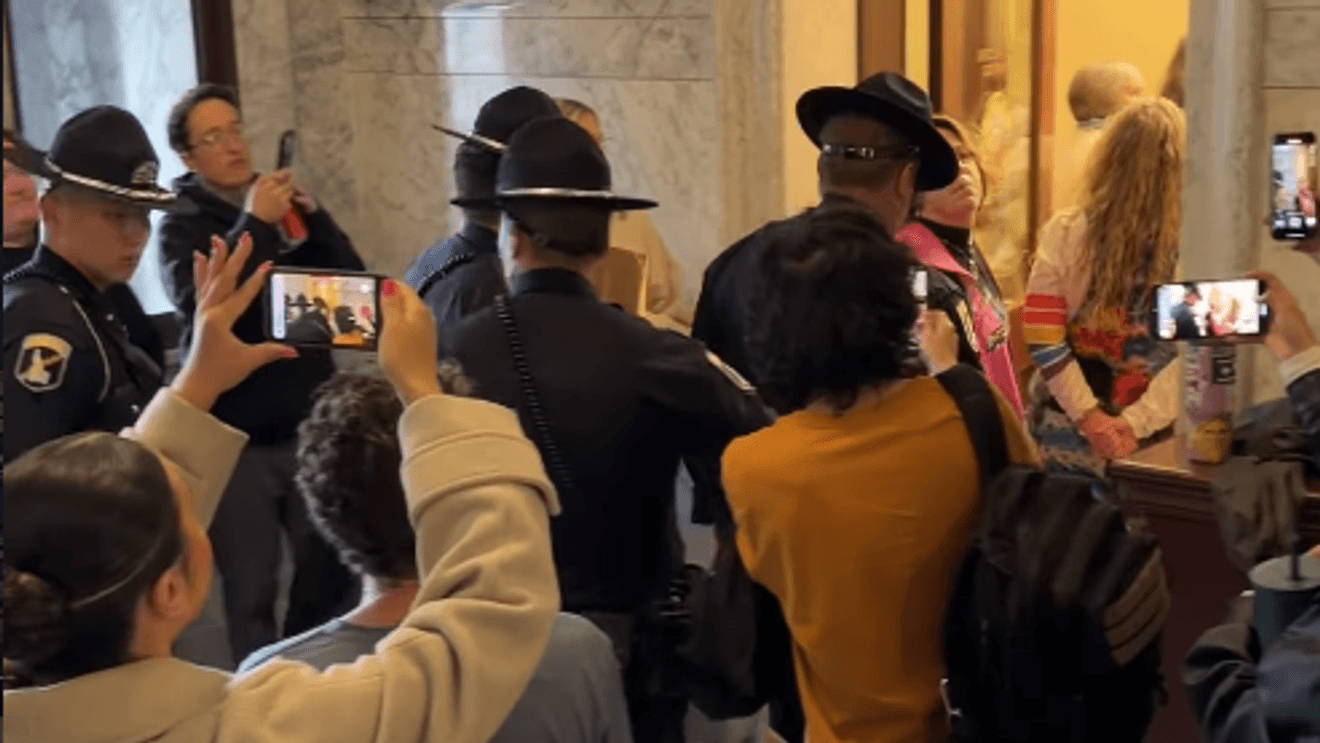
The law’s passage catalyzed immediate resistance, resulting in multiple arrests at the Idaho State Capitol. Law enforcement reported that six individuals were charged with trespassing—and in one instance, resisting arrest—following a sit-in at a government facility. These demonstrations, led by LGBTQ+ advocates and faith leaders, indicate a deepening cycle of civil disobedience that complicates the legislative environment for the 2026 session.
Enforcement Hurdles and Institutional Strain
The statute lacks clear guidelines for identity verification, placing the onus on law enforcement to interpret and enforce access restrictions in public spaces. This ambiguity poses a significant logistical burden for the Idaho State Police, particularly as they manage public order in government buildings. Furthermore, the reliance on criminal codes to manage identity-based access raises substantial questions regarding the law’s long-term constitutional viability under the Equal Protection Clause.
Stakeholder Analysis and Future Implications
Planned Parenthood Alliance Advocates—Idaho has identified HB 752 as the most restrictive bathroom ban in the U.S. to date. While the Republican legislative supermajority maintains that the law is essential for public privacy, critics argue it disproportionately impacts the safety and mobility of transgender citizens. As the July 1 effective date approaches, the combination of potential legal challenges and persistent community opposition suggests that the state faces a protracted period of litigation and social instability regarding facility access governance.

Photo by jdblack on Pixabay.