Asymmetric Objectives: The Macro-Strategic Context
The Good Friday encounter between Oxford United and Hull City at the Kassam Stadium serves as a critical inflection point for both ends of the Championship spectrum. Hull City, occupying fifth place, is navigating a high-leverage promotion campaign where the technical and financial margins of Premier League entry are paramount. Conversely, Oxford United’s 23rd-place standing necessitates an immediate mitigation of relegation risk, as the club faces the institutional devaluation associated with a descent into League One. This fixture initiates a compressed 72-hour competitive cycle, testing the physiological resilience and tactical depth of both squads.
Hull City: Defensive Reinforcement vs. Midfield Attrition
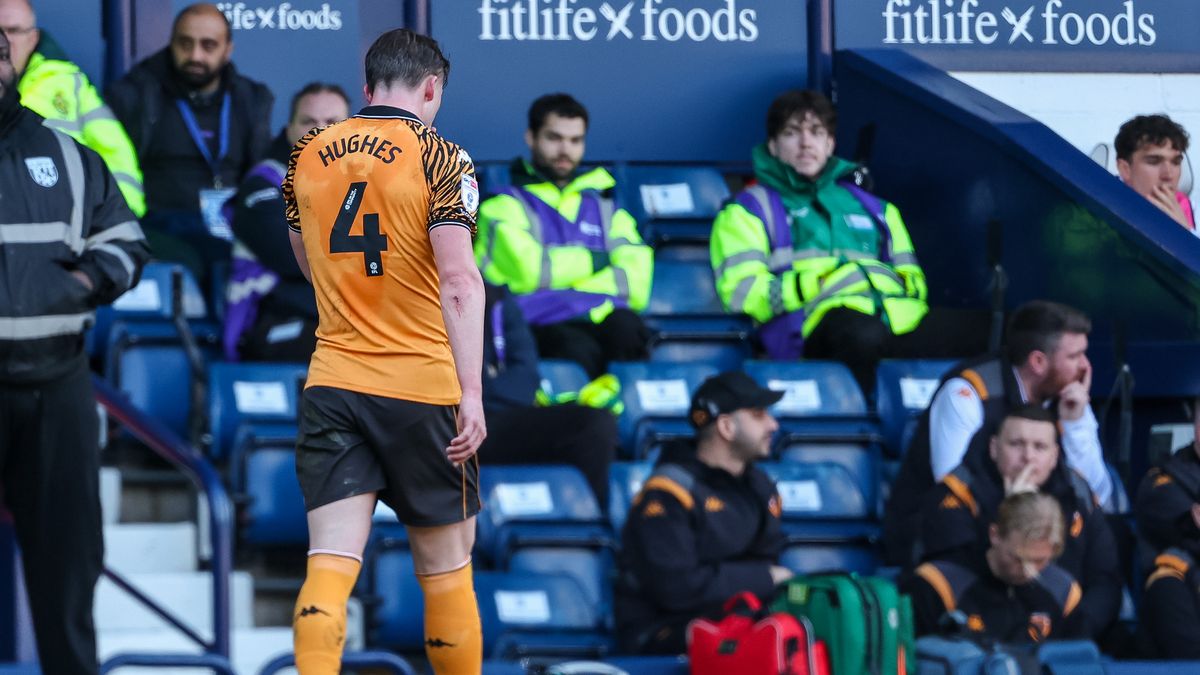
Hull’s tactical framework receives a significant structural boost with the reintegration of captain Lewie Coyle (ankle) and center-back Charlie Hughes (suspension). Coyle’s veteran leadership offers stability during high-pressure transitions, while Hughes restores a defensive pairing essential for playing out from the back. However, this defensive consolidation is jeopardized by a functional vacuum in the midfield; the loss of Regan Slater to an aggravated ankle injury removes a primary engine of tempo and transition. Manager Sergej Jakirovic must now calibrate a central unit that can sustain possession without Slater’s industry, particularly with Paddy McNair and Semi Ajayi returning from international duty with fitness concerns.
Oxford United: Tactical Realignment and Psychological Anchors
Oxford manager Matt Bloomfield has pivoted toward personnel rotation to disrupt a cycle of diminishing returns. The introduction of Ruben Roosken on the flank suggests a shift toward more direct physical attributes to counter Hull’s wide threats. Meanwhile, Jamie Donley’s inclusion aims to leverage international scoring momentum to solve the U’s recent goal-scoring deficit. Oxford’s primary challenge remains structural fragility; having lost 15 of 18 matches after conceding first, the opening 20 minutes represent a critical window where defensive discipline must outweigh offensive expansion. With a mere point separating them from safety, the results at the Kassam Stadium will dictate their psychological leverage heading into the Easter Monday clash with Portsmouth.
Institutional Consequences and Physiological Demands
Beyond the immediate table positions, the result carries profound financial implications. For Hull, the playoff race is a gateway to broadcast revenue growth; for Oxford, survival is a prerequisite for maintaining current infrastructure and staff levels. The Easter turnaround demands sophisticated load management from medical and sports science departments. Hull’s ability to rotate effectively without diluting their tactical identity will be tested against an Oxford side likely to adopt a high-risk, high-reward posture to secure their Championship status. The outcome will be determined by which side better manages the intersection of fatigue, tactical discipline, and the unique psychological pressure of the season’s final quarter.