
Operational Realignment in the Middle East
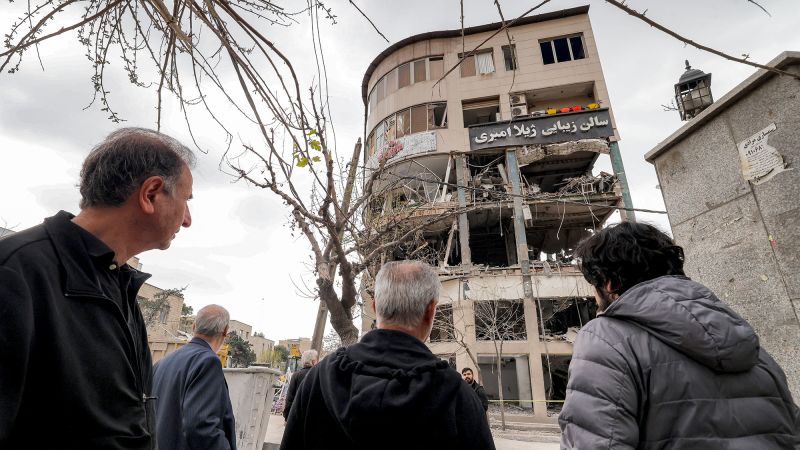
U.S. military strategy in the Middle East has transitioned toward a high-intensity posture characterized by precision strikes and rigorous readiness exercises. Recent deployments, including amphibious assault simulations by Marine units, are designed to bolster regional deterrence. The reintegration of the USS Gerald R. Ford into active service underscores the heavy logistical overhead required to maintain continuous naval presence amid kinetic engagements that have targeted critical infrastructure, including strategic transport networks.
The Strategic-Tactical Disconnect
Despite sustained tactical bombardment, intelligence assessments reveal that Iran retains a resilient missile infrastructure, complicating U.S. military objectives. This capability gap poses a significant challenge: tactical strikes have failed to achieve the strategic degradation of Iranian power-projection assets. President Trump’s characterization of these strikes as initial phases of a broader campaign suggests an intent to deepen the conflict, yet military planners are increasingly constrained by a narrowing list of high-value targets, necessitating a reassessment of resource allocation to avoid diminishing returns.
Energy Markets and Structural Volatility
The conflict has transitioned from localized skirmishes to a fundamental threat to global energy stability. European Union energy leadership has warned of a prolonged energy shock, signaling that current price volatility is a structural, rather than transient, market condition. As a primary maritime chokepoint, the Strait of Hormuz remains the linchpin of global energy security; any disruption creates immediate, cascading effects on international liquidity and trade pricing.
The security of commercial shipping has been further compromised, evidenced by the casualty reports from a struck Thai vessel. This incident illustrates the heightened risk profile for civilian logistics, which now operate as collateral participants in a complex, multi-front naval engagement.
Multilateral Diplomacy and Collective Security
Efforts to stabilize the region are shifting toward a multilateral framework, most notably through a UN Security Council proposal led by Bahrain. This initiative seeks to authorize collective defensive measures, marking a pivotal transition from unilateral U.S. enforcement to a coalition-based maritime mandate. This strategy aligns with U.S. policy shifts aiming to socialize the costs of patrolling essential shipping lanes.
The efficacy of this proposal rests on securing a broader mandate from the Security Council, which, if successful, would rewrite regional rules of engagement and potentially provide a buffer against further escalation.
Future Regional Stability
The convergence of protracted military operations and persistent energy supply threats creates a high-entropy security environment. Sustained pressure on infrastructure aims to degrade long-term capabilities, yet Iran’s tactical resilience necessitates a prolonged commitment of Western resources. Future stability will be defined by the intersection of military attrition and the capacity of global markets to adapt to the reality of chronic supply-line vulnerabilities. International reliance on collective security measures remains the most viable path to mitigating the risk of total systemic disruption.

Photo by ErikaWittlieb on Pixabay.