Strategic Implications of Tiger Woods’ DUI: Political Nexus and Brand Risk
The release of body camera footage detailing Tiger Woods’ DUI arrest in Florida transcended a standard legal matter, revealing a complex intersection of personal health crisis, media transparency, and high-level political influence. The incident, following a minor vehicle collision, immediately shifted the public narrative from a simple accident to a high-stakes reputational challenge. The details captured on video, particularly Woods’ physical state and specific statements to law enforcement, fundamentally altered the strategic landscape for all involved stakeholders.
The Health Crisis: Opioid Dependency and Physical Evidence
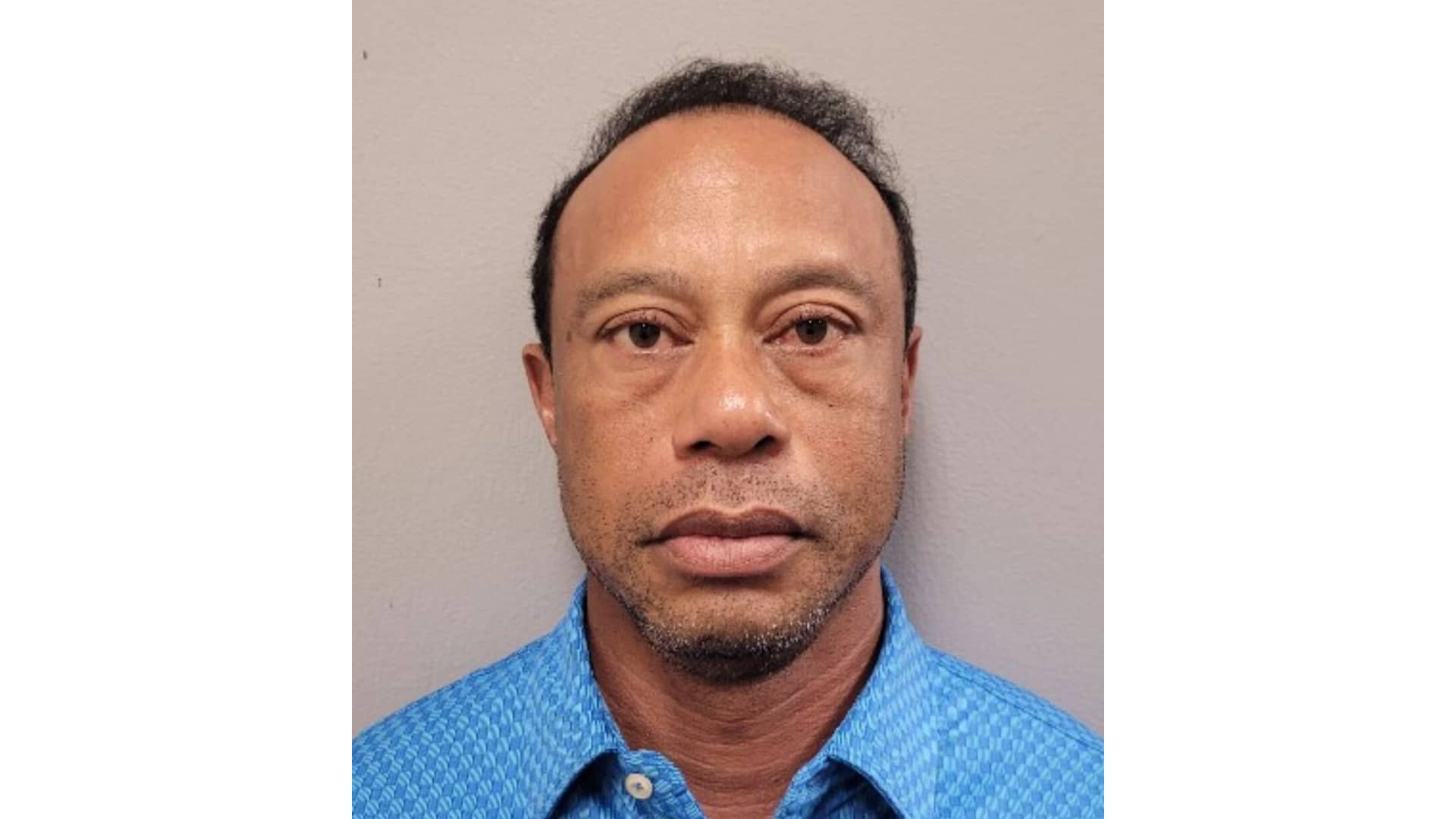
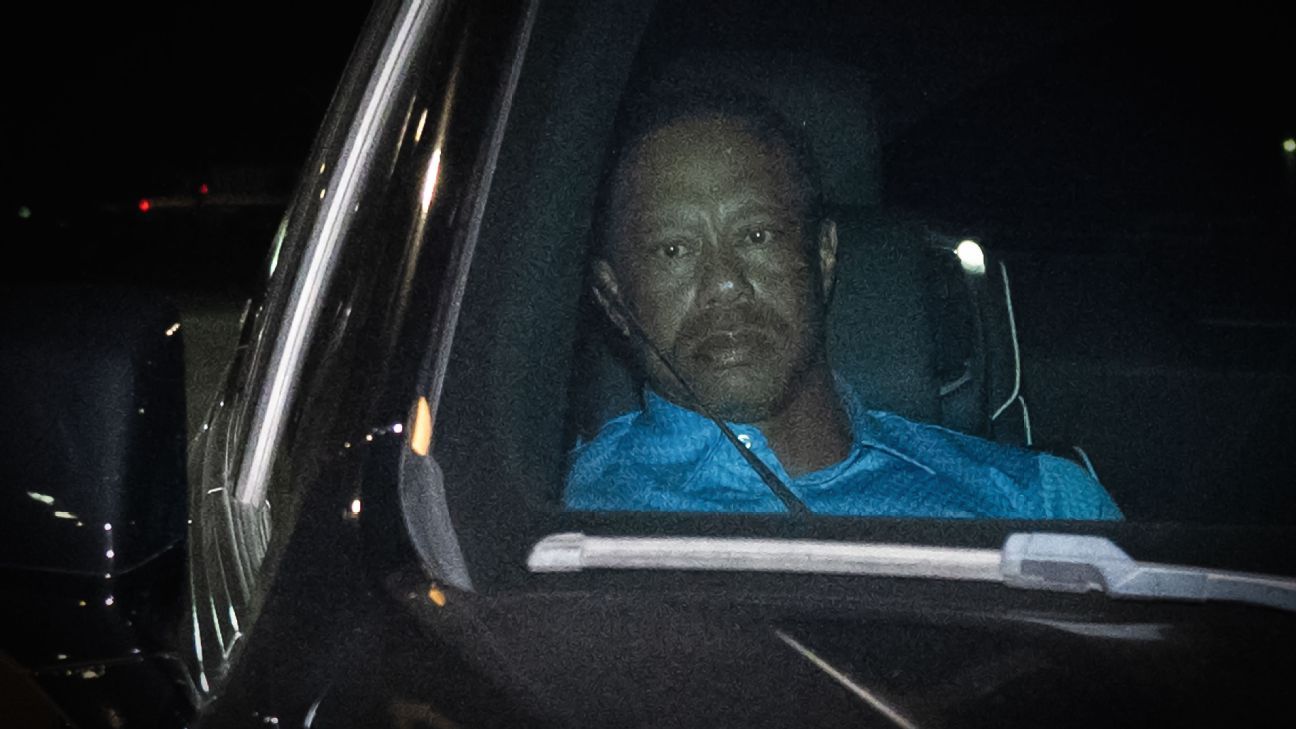
The body camera footage provided critical insights into Woods’ physical condition at the time of the arrest, detailing symptoms consistent with significant impairment from opioid use rather than simple intoxication. Woods exhibited “bloodshot and glassy eyes,” “extremely dilated pupils,” and was observed “sweating profusely.” These physiological indicators, combined with the discovery of two opioid pills in his pocket, suggested a severe health issue beyond a typical legal infraction. The footage further documented Woods’ behavior in the patrol car, where he appeared to nod off repeatedly and exhibited symptoms such as hiccuping and yawning during the 15-minute ride. This evidence reclassified the event from a legal and behavioral issue to a medical and dependency challenge, requiring extensive rehabilitation rather than just legal penalty.
The Political Nexus: Narrative Control and High-Level Connections
The incident gained a significant political dimension through Woods’ statements and associations. The footage captured Woods telling a deputy he had just concluded a phone call with “the president.” While the identity of the individual on the call was not explicitly confirmed in the source, the context of Woods’ relationship with Vanessa Trump, Donald Trump Jr.’s former wife, immediately introduced a direct link to a prominent political family. This connection transforms the event from a private matter into a complex public relations challenge involving overlapping spheres of influence.
The strategic implications were amplified by public statements made by high-profile figures. Shortly after the arrest, President Trump publicly commented on Woods, calling him a “very close friend” and expressing concern about his “difficulty.” This public statement, made before full details were widely known, served to frame the narrative around personal friendship and support rather than focusing on the legal or health aspects of the incident. The source also highlights a discrepancy between Woods’ public positioning regarding the upcoming Masters tournament and private knowledge within his inner circle, suggesting a disconnect between public perception and private realities known to political figures like Trump.
Stakeholder Management and Brand Risk Assessment
For Woods’ extensive list of corporate partners, the incident presented a significant challenge in risk assessment and brand alignment. The specific details of opioid use created a different set of considerations than a traditional DUI. These details potentially trigger clauses related to moral turpitude or public conduct, forcing sponsors to evaluate whether the association with a figure facing a public health crisis, intertwined with polarizing political connections, aligns with their long-term brand strategy. The political association adds a layer of complexity for sponsors, forcing them to navigate potential reputational risks associated with political polarization, complicating the traditional apolitical positioning of Woods’ brand.
The Role of Transparency and Crisis Communication in the Digital Age
The release of body camera footage fundamentally alters the dynamics of crisis management for high-profile individuals. Unlike traditional media reports or controlled public statements, bodycam footage provides an unvarnished, real-time account of events, bypassing traditional public relations filters. This transparency creates significant challenges for public figures seeking to control their narrative, as every detail, including Woods’ physical state and off-the-cuff remarks, becomes part of the public record. The footage’s documentation of Woods’ physical symptoms and the discovery of opioids provides a level of detail that would otherwise be unavailable through standard police reports, forcing stakeholders to confront the underlying health issues rather than simply addressing a legal infraction.
Conclusion: Strategic Recalibration and Forward Trajectory
The documented facts surrounding Woods’ DUI arrest necessitate a significant strategic recalibration for all stakeholders. The incident moves beyond a simple legal matter to encompass a complex health crisis intertwined with high-level political associations. The long-term implications for Woods’ brand, sponsorship portfolio, and public image depend heavily on his ability to navigate both the personal challenges and the intense media scrutiny generated by the specific circumstances of the arrest. The convergence of these elements, as documented by the bodycam footage and subsequent media reports, demonstrates the interconnected nature of modern celebrity and power structures. The incident underscores the challenges faced by high-profile figures in maintaining privacy and control over their narratives in an era of ubiquitous digital documentation and interconnected power structures of interwoven power structures.