
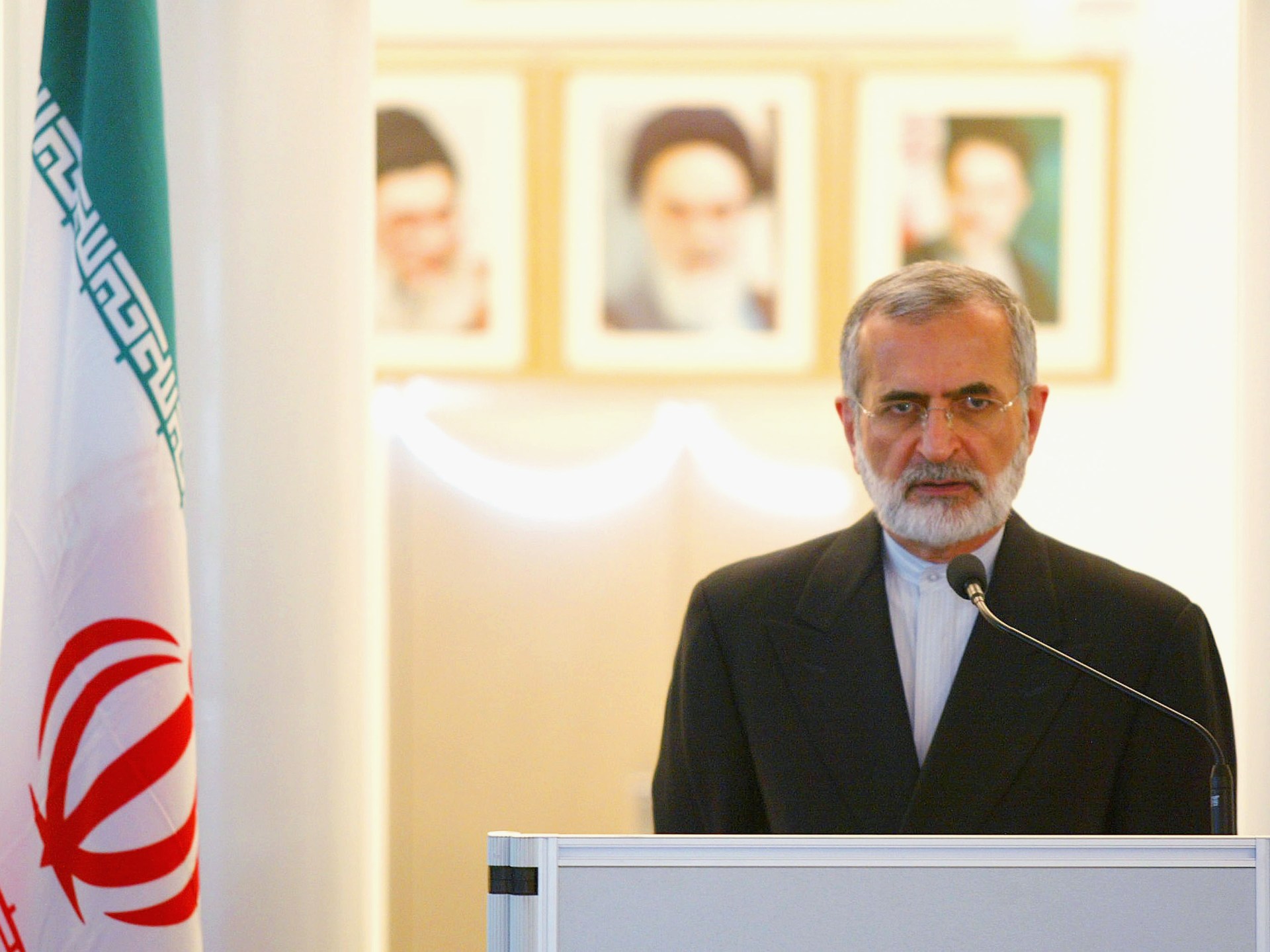
Targeted Attack on Ex-Diplomat Signals Escalation Amidst Regional Volatility
Former Iranian Foreign Minister Kamal Kharazi has been severely injured in what appears to be an assassination attempt targeting his Tehran residence. The attack, which also claimed the life of his wife, occurred during a period of significant regional instability and concurrent strikes affecting Iran.
The deliberate targeting of a prominent figure like Kharazi, a former key architect of Iran’s foreign policy, indicates a calculated act designed to destabilize or convey a strong message within the current volatile geopolitical landscape. His critical condition following the assault underscores the severity of the perpetrators’ actions and their potential intent.
Geopolitical Repercussions and Escalating Tensions
This incident emerges as Iran’s military reiterates its commitment to confronting the United States and Israel, framing its objectives as the “permanent surrender” of these nations. The timing of the attack on Kharazi’s home may be interpreted as a direct response or retaliatory measure within this escalating conflict, potentially aiming to disrupt leadership or introduce a new dimension of asymmetric warfare.
Reports of air strikes impacting a domestic setting like Tehran, if verified, suggest a significant breach of Iranian airspace and sophisticated operational capabilities. Such an event would expose critical vulnerabilities in national security infrastructure and could provoke a more assertive, potentially escalatory, response from Iranian authorities.
Vulnerability of High-Profile Figures and Strategic Implications
The attack underscores the vulnerability of even former high-ranking officials to targeted violence, potentially fostering an environment of fear and uncertainty among Iran’s political and diplomatic elite. For the Iranian government, this necessitates a strategic review of security protocols and may lead to a hardening of its stance against perceived external threats, thereby fueling further cycles of retaliation.
Internationally, the incident intensifies concerns regarding the broader regional conflict and the risk of miscalculation. Air strikes on Iranian soil, especially near a former minister’s home, are likely to attract significant international scrutiny and potential condemnation, contingent on the attribution of responsibility.
Media Narratives and Information Warfare
Initial reports from Iranian outlets like Shargh, Etemad, and Ham Mihan, alongside international coverage from sources such as Al Jazeera, highlight the rapid dissemination of information. This immediate flow of news underscores the critical role of media in shaping public perception and influencing diplomatic and military responses during periods of heightened tension.
The framing of the event as an “assassination attempt,” as quoted by Al Jazeera, indicates a strong narrative of targeted violence. The subsequent reporting of air strikes across Iran on Thursday further complicates the information landscape, suggesting potentially coordinated or widespread actions requiring careful verification and analysis.
Economic Undercurrents and Capital Allocation
While direct financial transaction data is unavailable, the context of ongoing strikes and retaliatory pledges implies substantial capital allocation towards defense and security sectors. The prospect of further escalation, driven by targeted attacks, would likely correlate with increased investment in military capabilities and defensive infrastructure across involved parties.
A climate of conflict and uncertainty can also impact broader economic stability, potentially affecting foreign investment, trade routes, and regional financial markets. Sustained conflict often leads to resource diversion from civilian to military expenditures, with long-term developmental consequences.
Strategic Positioning and Performance Leverage
Iran’s military pledge for “permanent surrender” from adversaries suggests an objective of decisive military or political outcomes. The attack on Kharazi, if linked to this strategy, could be an attempt to undermine opponent resolve or leadership, leveraging perceived advantages in intelligence or operational capacity.
Conversely, the incident might galvanize domestic support for the government’s assertive stance, enabling greater mobilization and resource allocation under the banner of national defense. Iran’s performance leverage would then be assessed by its ability to maintain internal cohesion and project strength amid external pressures.
Downstream Effects on Regional Stability
The attack on a former foreign minister’s residence, if confirmed as an external act, signifies a considerable escalation in the regional shadow conflict. It moves beyond conventional engagements to direct, high-impact strikes on individuals with historical ties to statecraft, potentially broadening the conflict’s scope and increasing miscalculation risks.
This event could precipitate a series of retaliatory actions, further destabilizing regional dynamics and possibly drawing in additional international actors. The erosion of diplomatic channels and the rise of direct confrontations signal a perilous trajectory for regional peace and security.
Institutional Response and Diplomatic Fallout
The Iranian government’s reaction to this attack is critical for shaping future diplomatic and military engagements. A forceful, retaliatory response might further entrench the conflict, whereas a measured approach focusing on intelligence and attribution could offer a path towards de-escalation.
International bodies and major global powers will closely monitor the situation, with potential calls for restraint and investigations. The attribution of responsibility will be paramount in determining the diplomatic fallout and the potential for sanctions or further international intervention.
Evolving Tactics and Historical Parallels
Targeting high-ranking officials is a recognized tactic in geopolitical conflicts, used to disrupt leadership, sow discord, or extract intelligence. This incident, within the context of prolonged regional tensions, may represent an evolution in tactics towards more direct attacks on figures associated with state power.
The reported use of air strikes within Tehran, if confirmed, indicates a willingness to employ high-impact methods with significant risks of collateral damage and international condemnation, suggesting a strategic calculation prioritizing impact over potential diplomatic repercussions.
Capital Allocation and Strategic Imperatives
The ongoing conflict necessitates substantial capital allocation for military readiness, intelligence gathering, and potentially covert operations. The resources required for sophisticated strikes, particularly those involving cross-border incursions or advanced aerial capabilities, represent a significant drain on national economies.
Iran faces the strategic challenge of responding effectively to such attacks while managing domestic economic pressures. Its ability to project strength and deter further aggression will heavily influence capital allocation decisions, potentially prioritizing defense spending over developmental needs.
Performance Leverage in Information Warfare
The narrative surrounding the attack, as disseminated through various media, is crucial for shaping perceptions and influencing strategic positioning. Claims of “assassination attempts” and “air strikes” frame the conflict starkly, potentially mobilizing domestic support and justifying retaliatory actions.
Performance leverage for involved parties will be measured not only by military successes but also by their ability to control the information narrative and influence international opinion. This battle for narrative dominance is as critical as battlefield engagement in the current geopolitical landscape.
Downstream Consequences for Regional Alliances
Such a direct and severe attack could profoundly impact existing regional alliances and partnerships. It may compel nations to re-evaluate security commitments and potentially realign allegiances based on perceived threats and the effectiveness of allies in providing security.
The incident could also embolden or deter proxy groups operating in the region, depending on state actor responses. The ripple effects could extend far beyond immediate parties, reshaping the broader geopolitical architecture of the Middle East.
Institutional Capacity and Response Mechanisms
The effectiveness of Iran’s institutional response will be a critical determinant of future events. This includes the capacity of intelligence agencies to identify perpetrators, military readiness to retaliate, and the government’s ability to manage public sentiment and international relations.
The incident tests the resilience of the Iranian state apparatus in facing direct, high-impact attacks on former leadership. Its capacity to maintain stability and project control will be closely scrutinized both domestically and internationally.
Strategic Decision-Making Under Pressure
The attack on Kamal Kharazi’s home places significant pressure on Iranian decision-makers to formulate an effective and proportionate response. Balancing the desire for retaliation with the risks of escalation and international backlash presents a complex strategic challenge.
Decision-making will likely involve careful assessment of intelligence regarding perpetrators, potential consequences of response options, and broader geopolitical implications. This high-stakes environment demands precise strategic calculations.
Capital Deployment in Asymmetric Conflict
The reported attack suggests a potential shift towards more asymmetric conflict tactics, often requiring significant capital investment in specialized intelligence, covert operations, and advanced weaponry. The sustained nature of strikes impacting Iran indicates a deliberate, resource-intensive campaign.
Responding to such threats necessitates Iran’s strategic capital allocation to counter asymmetric capabilities, potentially involving investments in advanced defensive systems, intelligence networks, and cyber warfare. This capital deployment is crucial for maintaining strategic deterrence.
Performance Leverage in Diplomatic Arenas
While immediate focus may be on military responses, the incident also creates opportunities for diplomatic leverage. International reactions, mediation potential, and the event’s framing in global forums can influence parties’ strategic positioning.
Iran’s ability to effectively communicate its narrative and garner international support, or conversely, withstand international pressure, will be key to its diplomatic performance leverage. This extends beyond military might to international relations and public diplomacy.
Downstream Effects on Global Energy Markets
Given Iran’s significant role in global energy markets, conflict escalation in the region risks disrupting oil and gas supplies. Increased tensions and threats to infrastructure could lead to price volatility and supply chain concerns for international energy consumers.
The sustained nature of strikes and retaliatory pledges suggest prolonged instability, potentially impacting global energy prices and the economic stability of nations reliant on imported energy.
Institutional Scrutiny and Accountability
The attack on Kharazi’s home will inevitably lead to increased institutional scrutiny of national security protocols and intelligence sharing. Questions will arise regarding how such an attack was possible and what measures are in place to prevent future incidents.
The demand for accountability, both domestically and potentially internationally, could prompt internal reviews and reforms within security and intelligence agencies. The effectiveness of these institutions in safeguarding national interests will be under intense examination.
Strategic Repercussions for Regional Power Dynamics
This incident has the potential to significantly alter the strategic calculus of regional powers. It may prompt re-evaluations of existing security arrangements and potentially accelerate arms races or the formation of new security pacts in response to perceived threats.
The actions taken by Iran and its adversaries in the aftermath will have lasting repercussions on the balance of power and overall Middle Eastern stability, potentially reshaping alliances and fueling geopolitical realignments.
Capital Investment in Information Control
Controlling information and narrative is a critical component of modern conflict. Significant capital investment is likely directed towards intelligence gathering, disinformation campaigns, and strategic information dissemination to shape public opinion and international perception.
For Iran, managing the narrative around such a sensitive event is crucial for maintaining domestic legitimacy and projecting international strength. This requires substantial investment in media operations and influence campaigns to frame facts strategically.
Performance Leverage Through Deterrence
The ultimate performance leverage sought by any state in such a conflict is deterrence. The ability to inflict unacceptable costs on an adversary, thereby preventing future attacks or aggression, is the primary strategic objective.
The response to the attack on Kharazi’s home will test Iran’s deterrent capabilities. Its success in preventing future similar incidents will be a key measure of its strategic performance and its ability to secure national interests.
Downstream Effects on International Diplomacy
The incident could lead to a renewed focus on diplomatic solutions or, conversely, a hardening of positions that impedes dialogue. The international community’s response, including calls for de-escalation and investigations, will significantly shape the diplomatic landscape.
The effectiveness of international diplomacy in managing this crisis will depend on key actors’ ability to exert influence and facilitate communication. The outcome could lead to fragile de-escalation or further entrenchment of the conflict, with significant implications for global stability.
Institutional Resilience and Crisis Management
The ability of Iran’s institutions to manage this crisis effectively will be a testament to their resilience. This includes the security apparatus, as well as governmental and societal structures adapting to heightened alert and potential conflict.
Long-term institutional development implications will hinge on how well these entities can learn from the incident, adapt strategies, and maintain operational effectiveness under sustained pressure. This crisis management capacity is a critical indicator of state strength.
Strategic Imperatives in a Volatile Environment
The attack on the former foreign minister’s home highlights the volatile nature of the current geopolitical environment. Strategic imperatives for all involved parties will focus on managing escalation, protecting national interests, and achieving objectives without triggering wider, uncontrollable conflict.
Decisions made in the immediate aftermath will set the tone for future interactions, potentially leading to prolonged tension or calculated de-escalation. The imperative is to navigate this complex landscape with precision and foresight.
Photo by WikiImages on Pixabay.