Erosion of Administrative Autonomy through Executive Intervention
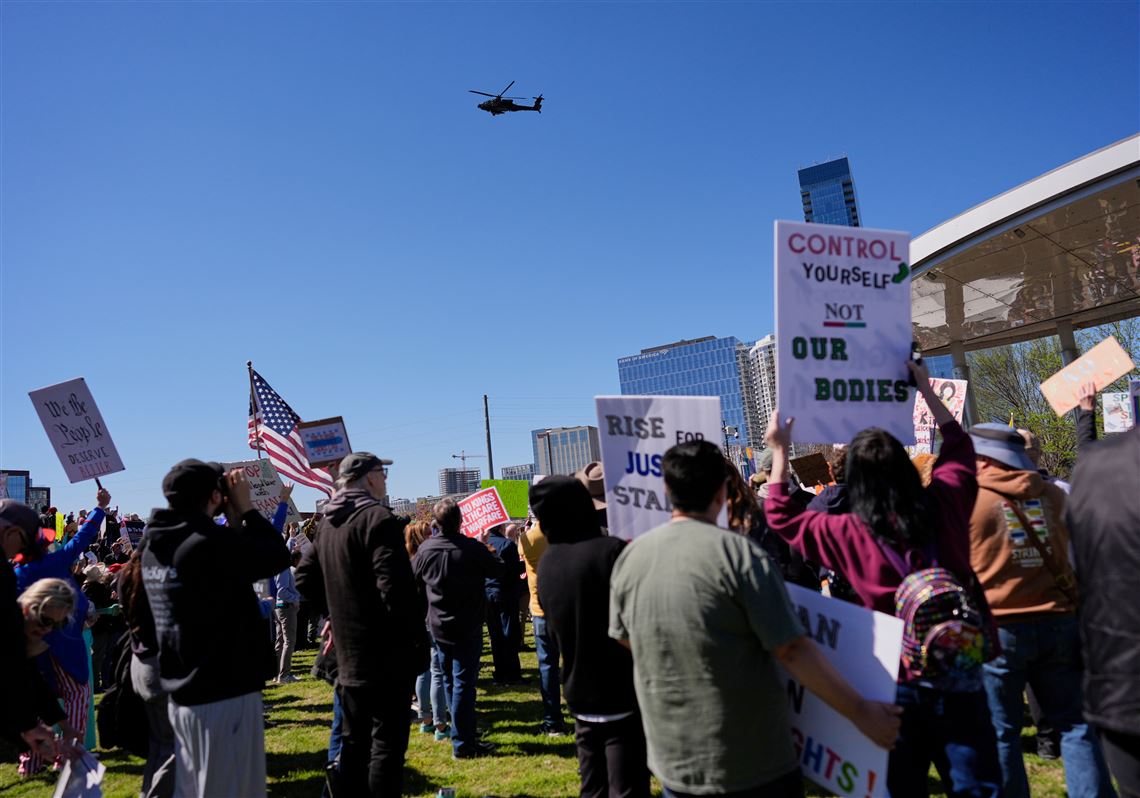
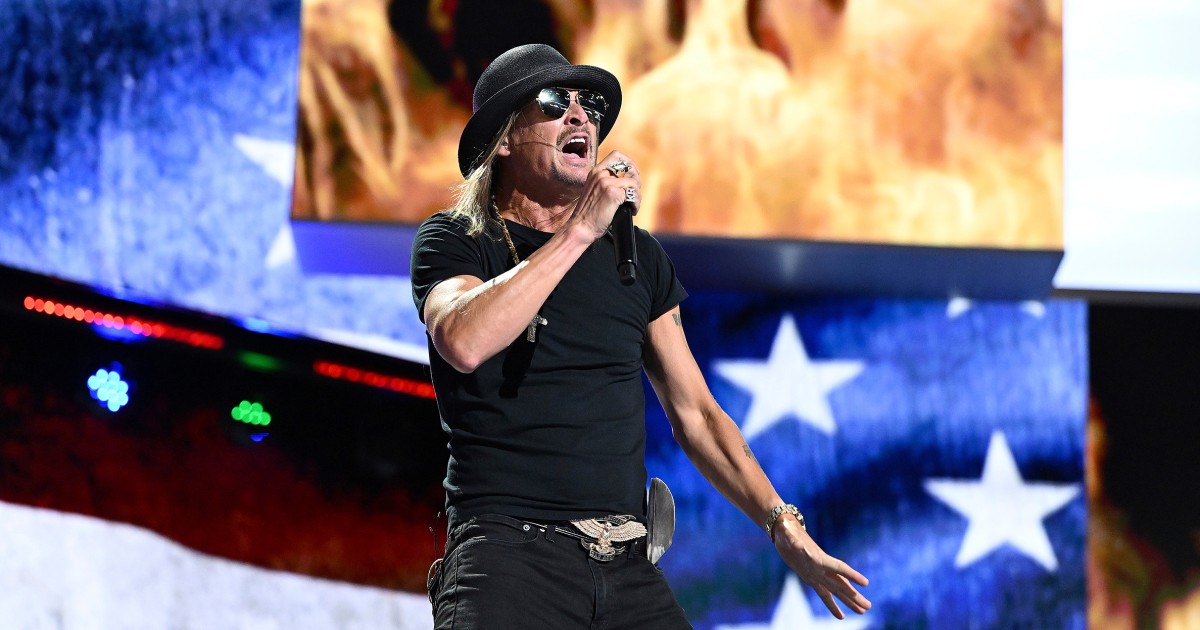
The swift reinstatement of two U.S. Army AH-64 Apache aircrews—following their initial suspension for a low-altitude flight over the private residence of Robert Ritchie (Kid Rock)—marks a critical pivot point in Department of Defense (DoD) administrative norms. While the Army originally initiated standard oversight protocols to investigate potential deviations from Federal Aviation Administration (FAA) and military flight safety regulations, the direct intervention of Defense Secretary Pete Hegseth effectively circumvented the internal Fact-Finding Investigation (AR 15-6) process.
Regulatory Frameworks and Safety Thresholds
Military aviation operates under a dual-layered regulatory framework designed to mitigate risk in civilian-adjacent corridors. The suspension of the pilots was not a punitive conclusion but a procedural requirement to assess whether the flight path constituted a ‘stunt’ or a violation of minimum safe altitudes. By preemptively declaring the crews ‘patriots’ and ordering the cessation of all investigations, executive leadership has introduced a layer of political discretion into what has traditionally been an objective, safety-centric evaluation process.
The Normalization of Informal Civil-Military Interactions
The incident highlights a growing trend of informal military engagement with high-profile civilian figures. The suggestion that private property can be designated as a ‘friendly location’ by local units, independent of official mission parameters, complicates the enforcement of strict operational discipline. This normalization risks blurring the lines between authorized military training and discretionary displays of presence, potentially undermining the perceived impartiality of the armed forces in domestic spaces.
Systemic Implications for Post-Incident Accountability
The primary institutional concern remains the precedent of bypassing documented administrative reviews. In standard military practice, the resolution of an inquiry provides a data-driven basis for future safety training and operational adjustments. The absence of a formal finding regarding whether this flight was pre-authorized or a spontaneous mission deviation leaves a gap in the Army’s safety record, potentially affecting the consistent application of disciplinary standards across the aviation branch.
Strategic Communication and Narrative Control
Secretary Hegseth’s use of digital platforms to communicate the reinstatement underscores a shift toward a more public-facing, ideologically driven management of military personnel issues. By framing the investigation as an affront to patriotism rather than a technical safety audit, the current administration has signaled a preference for rapid, executive-led resolution over the slower, more insulated bureaucratic processes of the Pentagon. This approach prioritizes immediate public perception but challenges the traditional insulation of the military’s internal disciplinary apparatus from political shifts.