Navigating Administrative Hurdles and Sporting Ambition
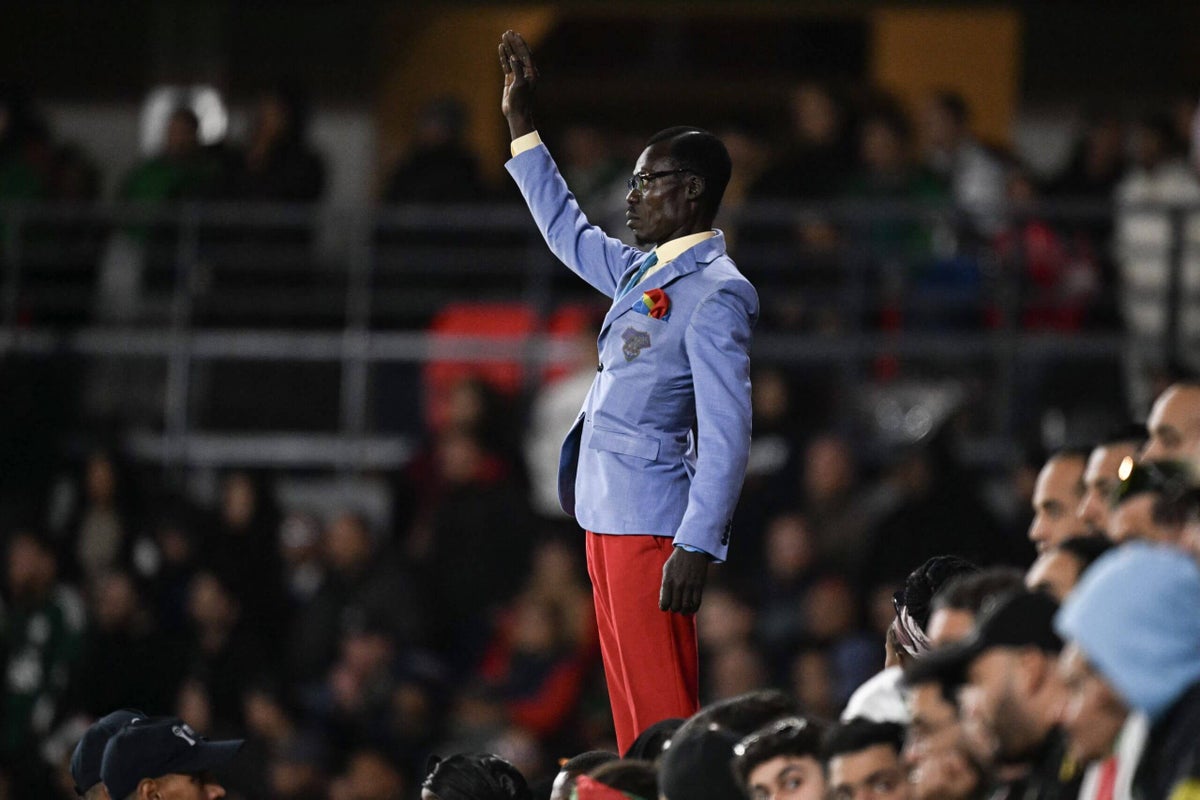
The exclusion of Michel Kuka Mboladinga from the Democratic Republic of Congo’s crucial play-off against Jamaica in Guadalajara exemplifies the recurring friction between global sporting mobility and rigid visa protocols. While this individual travel disruption remains localized, it highlights systemic operational vulnerabilities for personnel and fans navigating the complex regulatory frameworks governing major international tournaments.
The failure of express visa processing systems reveals a disconnect between the rapid, high-stakes nature of intercontinental sports and analog border security requirements. This administrative bottleneck risks disenfranchising segments of the national fanbase, transforming a logistical issue into a symbolic barrier to cultural participation in a landmark sporting event.
Historical Context and Institutional Stakes
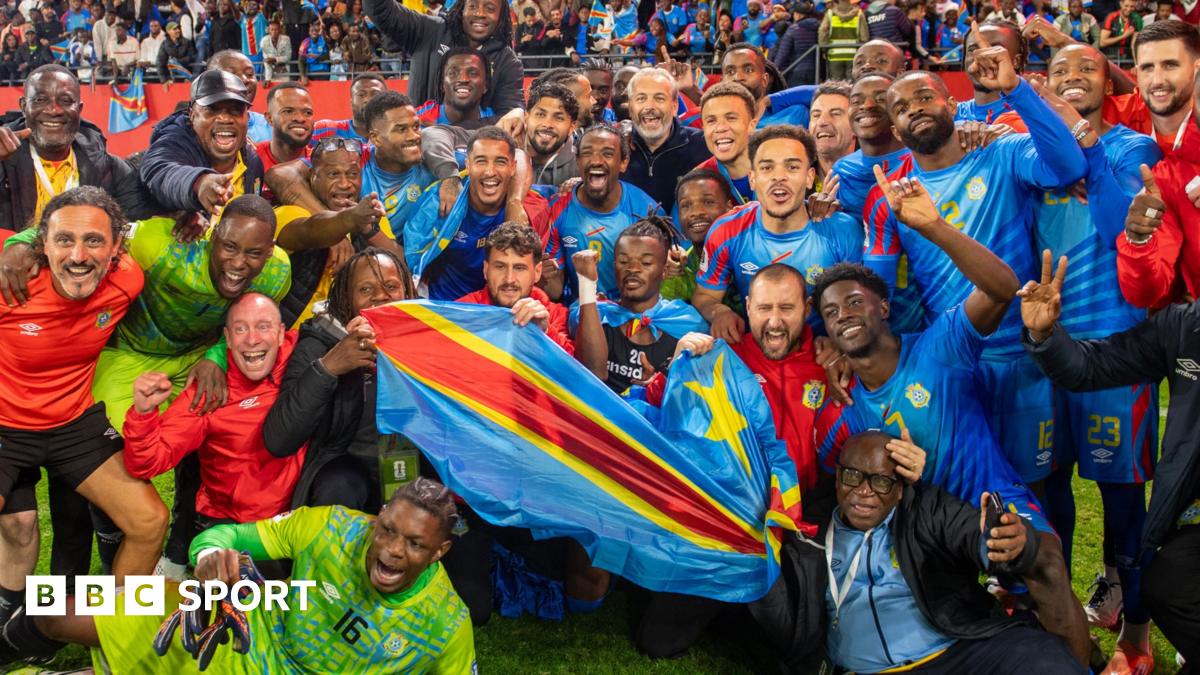
For the DR Congo, this match serves to reconcile the legacy of its sole 1974 World Cup appearance, contested under the name Zaire. That campaign remains a complex reference point, defined by competitive challenges. The current squad views this fixture not merely as a qualification match but as a structural opportunity to redefine the nation’s footballing identity. Representing over 110 million citizens, the team faces significant institutional pressure to secure a 10th African representative slot for the 2026 tournament, with outcomes carrying substantial weight for national morale.
Operational Dynamics of the Play-Off Tournament
The FIFA World Cup 2026 Play-Off Tournament acts as a critical mechanism for distributing final competition berths. Hosting such events across Mexico, Canada, and the USA demands synchronization between local immigration authorities and international sporting bodies. When administrative timelines diverge from tournament schedules, the resulting exclusion of key cultural figures underscores the fragility of the global fan experience, challenging organizers to balance security protocols with the necessity of inclusive international participation.
Bridging a 52-Year Gap
The 52-year interval since the nation’s last World Cup participation provides a framework for the current institutional urgency. Modern football’s increased professionalization and tactical sophistication require a realignment of Congolese football infrastructure. The strategic integration of diaspora talent—notably Burnley defender Axel Tuanzebe—reflects a deliberate effort to maximize competitive leverage. This match serves as the litmus test for whether these strategic investments yield long-term institutional validation.
Future Policy and Legacy
The administrative challenges highlighted by this cycle underscore the necessity for more flexible, sport-specific visa frameworks. As football moves toward more expansive tournament formats, the governance of fan and personnel mobility will remain central to event success. The DR Congo’s path to this play-off final demonstrates the resilience of its footballing program, even as it contends with the persistent constraints of international administrative regulation. Tuesday’s result will serve as a defining moment in the nation’s ongoing pursuit of global footballing prominence.