Strategic Implications of the 2026 MLB Season Opener
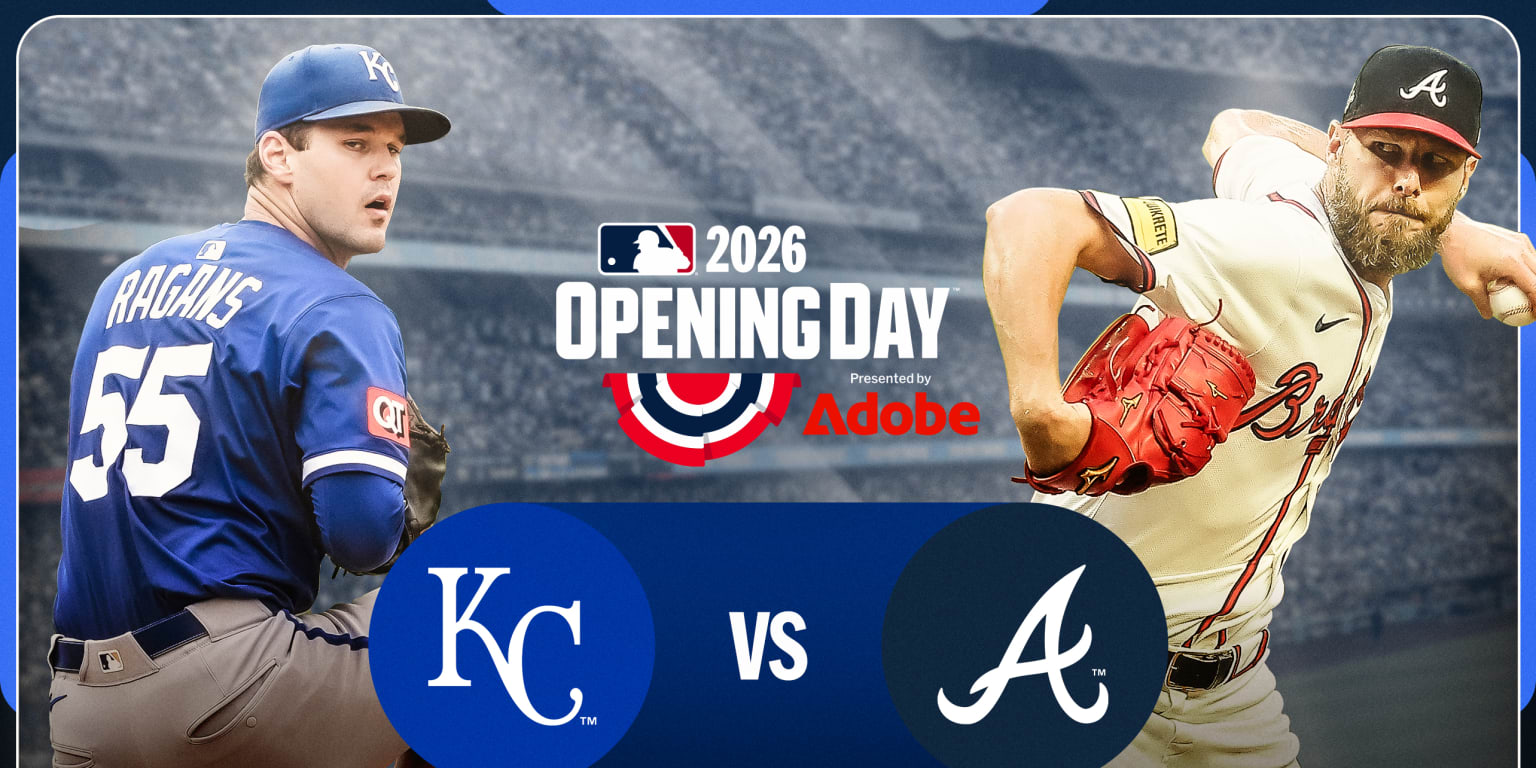
The 2026 Major League Baseball season commences with a matchup between the Atlanta Braves and the Kansas City Royals, a game that serves as an early barometer for both franchises following a year where neither reached the postseason. For the Braves, this game marks the start of a new managerial era under Walt Weiss, signaling a strategic reset aimed at returning the team to contention. The Royals, meanwhile, enter the season with heightened expectations for their emerging core, particularly following strong performances in international competition. This opening series tests the competitive strategies of a team seeking to reassert dominance against one attempting to validate its rebuilding efforts.
Player Performance Leverage and Market Value
The outcomes of the recent World Baseball Classic (WBC) introduce a significant layer of performance leverage and narrative significance to the opening series. Key Royals players, including Maikel Garcia (WBC MVP) and Vinnie Pasquantino, demonstrated high-stakes performance during the tournament. This success not only boosts individual player market value but also places immediate pressure on them to translate that high-level play into consistent results for the Royals’ 162-game schedule. The Braves’ star, Ronald Acuña Jr., also participated, adding a compelling personal narrative, particularly given his familial relationship with Garcia. The strategic challenge for both organizations lies in managing the high-intensity international experience—a potential risk factor for early-season fatigue or injury—while maximizing the marketing opportunities presented by these elevated player profiles.
Media Rights Fragmentation and Capital Movement
The broadcast details for the game highlight critical strategic shifts in the sports media landscape. The availability of the game on Royals.TV streaming services underscores a growing trend where franchises bypass traditional Regional Sports Networks (RSNs) to build proprietary direct-to-consumer (DTC) distribution channels. This model provides teams with greater control over local content distribution and allows them to capture revenue streams directly from their fanbase, mitigating risks associated with RSN financial instability. The continued use of MLB.TV blackouts for in-market viewers further illustrates the tension between maximizing local market revenue exclusivity and fulfilling the national demand for access, a challenge that impacts overall fan engagement and long-term capital generation for the league.
Operational Strategy and Ancillary Revenue Generation
The operational logistics of hosting the opening day event at Truist Park demonstrate a focus on maximizing ancillary revenue streams and enhancing the fan experience. The Braves’ decision to open the season at home, for the first time since 2022, is strategically leveraged to celebrate the franchise’s 60th anniversary in Atlanta. This milestone reinforces brand identity and drives significant revenue through high-demand ticket sales and special merchandise. New in-stadium offerings, such as “The Bat Flip” concession item, are part of a continuous strategy to increase the value proposition of attending games in person, differentiating the live experience from home viewing and boosting overall profitability. Furthermore, operational adjustments are required to manage external variables like near-record high temperatures, which can impact player performance and fan comfort, necessitating proactive risk management strategies.
Roster Construction and Managerial Transitions
The new managerial appointment of Walt Weiss signifies a strategic shift in operational philosophy for the Braves. A change in leadership often reflects a reevaluation of team culture, player development strategies, and in-game decision-making processes. The success of the 2026 season for the Braves will be directly tied to how effectively Weiss implements his vision and manages the high expectations placed on the team’s established core. This challenge is magnified by the need to integrate players returning from international competition, demanding a careful balance between leveraging star power and ensuring player readiness over the long season. For the Royals, the focus remains on validating their rebuilding strategy by translating the potential of their emerging talent into tangible competitive progress against established contenders like the Braves.