NBC Sports Philadelphia Elevates Phillies Broadcasts for 2026 Season
NBC Sports Philadelphia is set to implement significant enhancements to its coverage of the Philadelphia Phillies for the 2026 season. This strategic overhaul focuses on leveraging on-air talent for deeper viewer engagement and adapting to evolving broadcast technologies, particularly the new Automated Ball-Strike Challenge System (ABS).
Ben Davis’s Expanded Field-Level Role for Enhanced Analysis
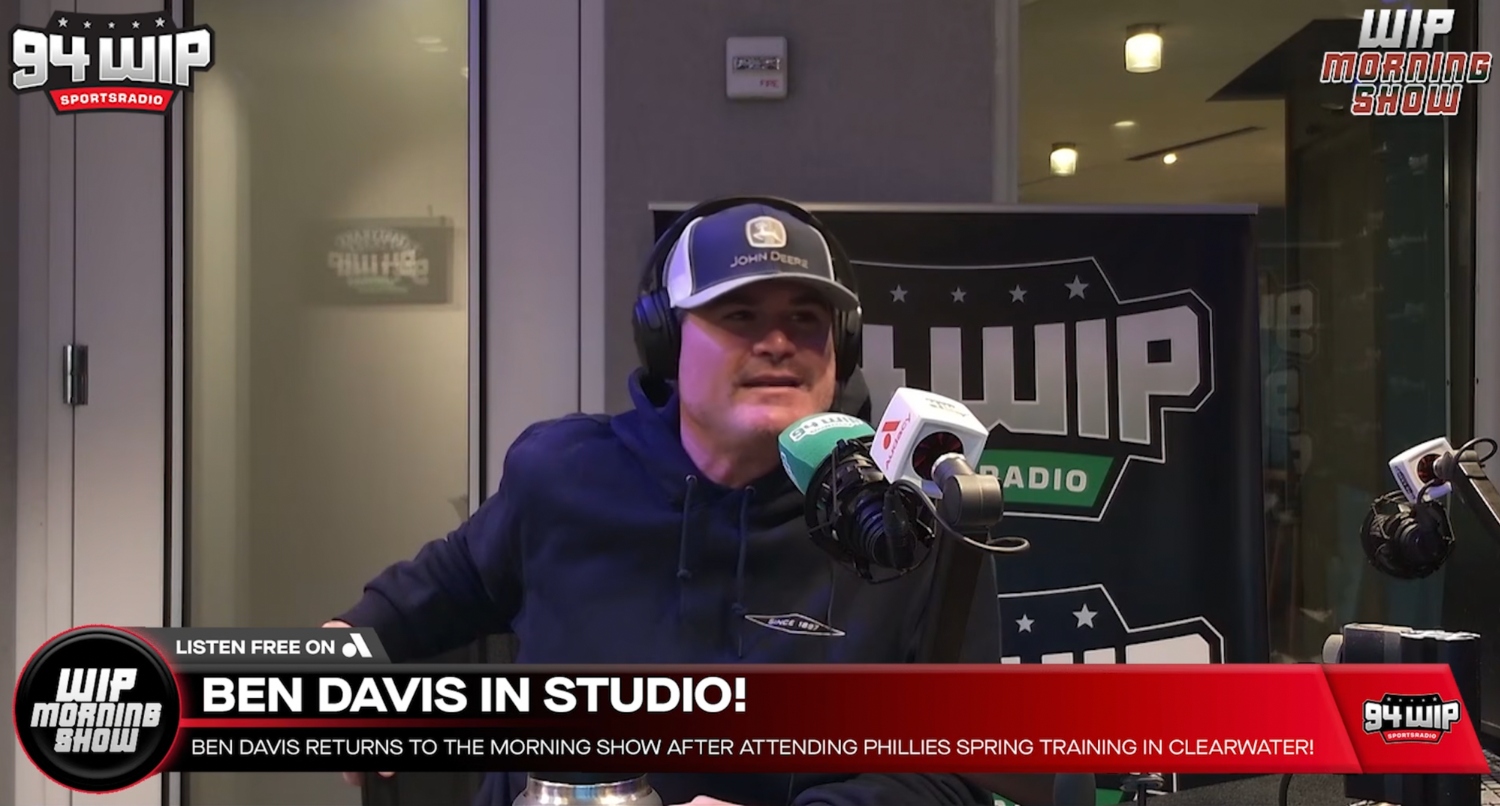
A cornerstone of the 2026 strategy is the expanded role for Ben Davis, a veteran Phillies broadcaster since 2015. Davis will significantly increase his presence calling games from field level, building on his recent dugout experience. This move is strategically designed to capitalize on his eleven seasons of Major League catching experience.
Alexandra Matcham, VP of Content for NBC Sports Philadelphia, explained to the Philadelphia Inquirer’s Rob Tornoe that Davis’s on-field perspective is crucial for explaining the intricacies of replay reviews, especially those involving pitch framing, under the new ABS. “Having Davis at field level is intended to offer viewers greater insight about what they’re seeing with the new challenge system,” Matcham stated, aiming to translate Davis’s unique vantage point into accessible, informed analysis.
Strategic Talent Deployment Amidst Broadcast Changes
Davis’s expanded role also addresses the redistribution of responsibilities following Taryn Hatcher’s departure after the 2025 season. The network is recalibrating on-air dynamics to align with baseball’s evolving landscape and technological advancements, ensuring dynamic content delivery.
Multi-Platform Presence and Integrated Coverage
The Phillies’ 2026 broadcast presence will extend across NBC Sports Philadelphia, NBC10, and streaming platforms like Netflix and Peacock. This multi-channel approach aims to maximize reach and cater to diverse viewership habits. The opening day broadcast against the Texas Rangers will be simulcast on both NBC10 and NBC Sports Philadelphia.
Strategic Implications of Field-Level Commentary
Placing a former catcher like Davis at field level during key series against rivals such as the Braves, Mets, and Dodgers is a deliberate strategy to enhance broadcast authority and analytical depth, particularly for technically nuanced aspects of the game. This trend may influence other RSNs as advanced replay systems proliferate, emphasizing in-depth, analytical content beyond standard play-by-play.
Boosting Viewer Engagement Through Expert Insight
By positioning Davis closer to the action and leveraging his specific expertise, NBC Sports Philadelphia seeks to elevate the informational value and viewer engagement of its broadcasts. The success of this initiative hinges on providing unique perspectives that enhance the understanding of baseball’s strategic and technical elements, with the ABS serving as a prime focus for this enhanced analytical approach.
Competitive Positioning and Industry Evolution
These strategic adjustments position NBC Sports Philadelphia to maintain a competitive edge in regional sports broadcasting by proactively adapting to technology and optimizing talent. The integration of streaming platforms reflects a necessary evolution for media companies to reach broader demographics in a fragmented market.
Eagles Mailbag: Draft Capital Strategy and Roster Management
Shifting focus to the NFL, an Eagles mailbag segment delves into draft pick strategy and roster management. A hypothetical trade scenario involving A.J. Brown highlights the dilemma between valuing 2026 and 2027 draft picks. The Eagles currently hold nine selections for the 2026 NFL Draft, including additional picks in later rounds, positioning them well for immediate draft capital.
However, the prevailing sentiment favors 2027 picks in such a trade. This preference suggests a longer-term team-building perspective, potentially anticipating different draft class profiles or a greater need for future flexibility, especially if the 2026 class is perceived as less appealing.
Strategic Asset Management in NFL Trades
General Manager Howie Roseman’s history of strategic draft asset management is evident. The preference for 2027 picks, despite ample 2026 capital, points to a nuanced approach. This can involve avoiding potentially weaker draft classes, delaying financial commitments tied to draft picks, or preserving flexibility for future acquisitions.
Player Value and Long-Term Franchise Planning
The hypothetical A.J. Brown trade underscores the continuous strategic evaluation within NFL front offices. The framework of such a deal, involving future draft picks, illustrates the long-term planning required to balance immediate competitiveness with roster evolution and financial management.
The decision-making process, influenced by draft outcomes, highlights the interconnectedness of scouting, player evaluation, and roster construction. Teams must constantly weigh current assets against the potential future value of draft picks, especially when discussing high-profile players.
Market Dynamics and Future Draft Class Assessment
The hypothetical trade scenario reflects current NFL market dynamics for elite wide receivers. The significant value of a player like A.J. Brown necessitates substantial draft compensation, impacting a team’s long-term trajectory. The preference for 2027 picks suggests a strategic assessment of future draft class strengths, a hallmark of successful franchise management aiming for sustainable success.
Broader Trends in Sports Media and Management
The developments at NBC Sports Philadelphia and within the Eagles organization exemplify the broader adaptation within the sports industry. Media companies are refining broadcast strategies for viewer engagement and technology adoption, while sports franchises optimize roster and asset management. These shifts underscore the dynamic interplay between on-field performance, media presentation, and strategic decision-making across the sports ecosystem.
The Future of Sports Broadcasting and Team Operations
The strategic decisions by NBC Sports Philadelphia and NFL teams like the Eagles signify the ongoing evolution of sports consumption and management. Technology integration, talent deployment, and meticulous future asset management are critical for sustained success. As the sports landscape evolves, these operational and strategic adjustments will continue to shape fan experiences and competitive balance, emphasizing value delivery in an increasingly competitive environment.