Systemic Failure Points in High-Density Airspace Management
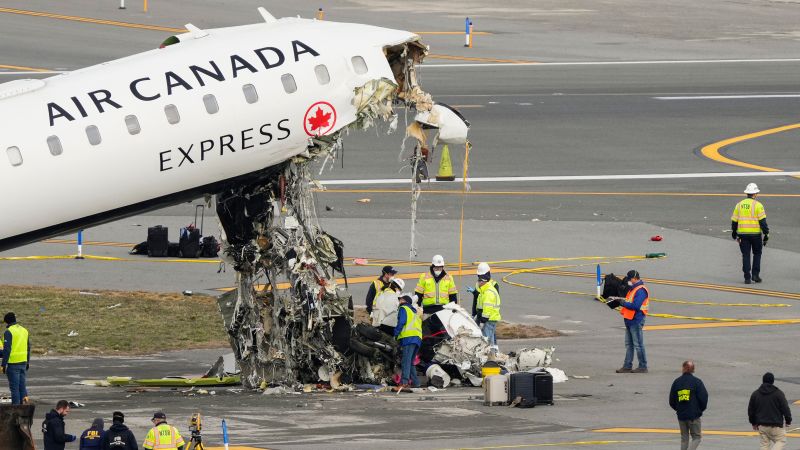
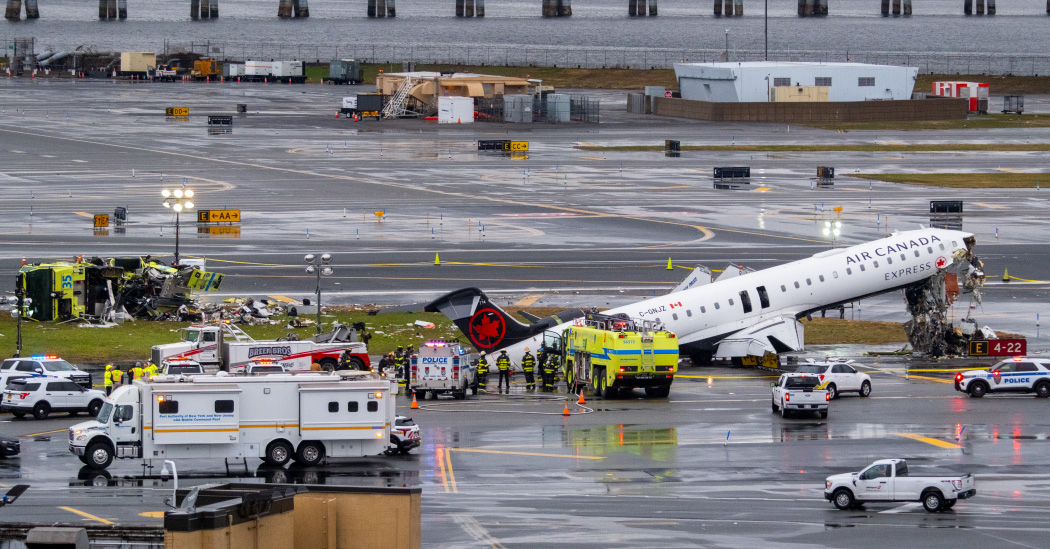
The collision involving Air Canada Express Flight 8646 at LaGuardia Airport exposes a critical breakdown in the multi-layered safety protocols required for high-density urban aviation. While the primary event was a runway incursion, the analytical focus must center on the confluence of operational overextension and the failure of technical redundancies. The loss of Mackenzie Gunther and Antoine Forrest underscores the catastrophic consequences when institutional safeguards fail to mitigate human and mechanical errors.
The Risks of ATC Position Consolidation
At the time of impact, the tower was employing ‘position consolidation,’ an administrative protocol that merges ground, local, and clearance delivery roles into a single operational desk. While designed for resource optimization during off-peak hours, this practice fundamentally compromises systemic redundancy. By removing the independent ‘second set of eyes’ typically provided by separate controllers, consolidation creates a single point of failure. The NTSB confirmed that a skeleton crew of two was managing the midnight shift, leaving the supervisor to balance oversight with active tactical management, thereby diluting situational awareness.
Cognitive Saturation: The Distraction of United 2384
The operational environment was further destabilized by a simultaneous emergency involving United Airlines Flight 2384. Managing a stalled aircraft with unresolved technical issues consumes the communicative bandwidth of the tower. For a consolidated controller, this creates a state of cognitive saturation where routine movements, such as the landing of Flight 8646, are deprioritized in the mental model. The temporal proximity of the United emergency to the collision suggest that the controllers reached a threshold of task-saturation that obscured the runway hazard.
Infrastructure Failure: The Silence of Automated Safeguards
The most significant technological revelation is the failure of the runway warning system to trigger an alarm. These automated safeguards are engineered to be the final fail-safe against human error. The system’s failure to alert the tower or the pilots suggests a lapse in the maintenance of critical safety infrastructure. In low-visibility, night-time conditions, the absence of this objective technological check left the crew entirely dependent on visual acquisition, which proved insufficient to prevent the impact.
Institutional Reform and the Regional Aviation Pipeline
This incident triggers necessary scrutiny of the regional aviation sector and the FAA’s criteria for staffing efficiencies. The investigation will likely mandate a re-evaluation of when position consolidation is permissible, especially in complex environments like LaGuardia. For the industry, the challenge remains balancing economic staffing models against the absolute necessity for procedural redundancy. As the NTSB finalizes its fact-finding, the focus remains on the final 180 seconds of communication and the specific failures in the chain of command that allowed a surface vehicle to occupy an active runway.