
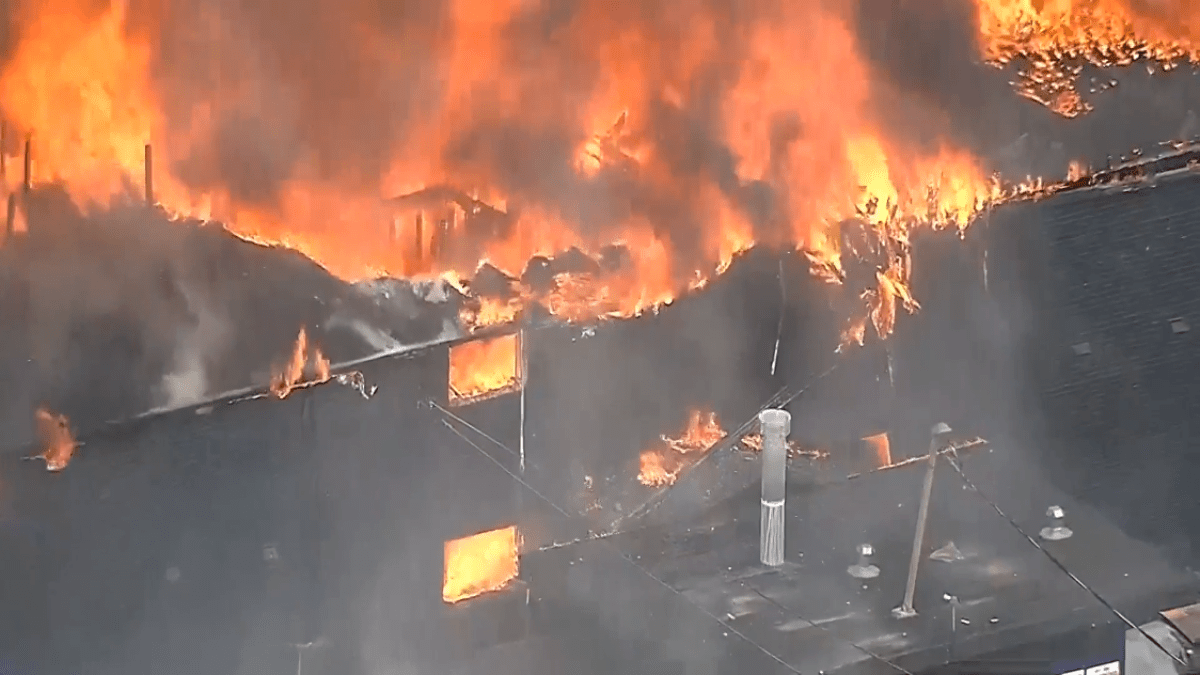
Operational Response and Emergency Management
The catastrophic gas-related explosion at The Clyde in Oak Cliff, Dallas, serves as a critical case study in urban emergency management. Dallas Fire-Rescue (DFR) initiated standard mitigation protocols upon receiving reports of a gas leak; however, the rapid onset of structural failure transformed a containment operation into a high-consequence search-and-rescue mission. Chief Justin Ball confirmed the structural collapse occurred immediately preceding tactical entry, underscoring the precarious operational environment inherent in suspected utility infrastructure failures.
Multi-Modal Search Methodology
Post-blast recovery utilized a multi-modal approach to ensure comprehensive accountability of all residents. By integrating urban search-and-rescue (USAR) expertise with aerial drone surveillance and canine units, DFR effectively navigated a complex debris field. This systematic utilization of layered technology allowed for the efficient transition from life-saving operations to the evidentiary recovery phase, establishing a framework for future disaster response in dense residential settings.
Regulatory Oversight and Structural Accountability
The disaster has prompted an urgent re-evaluation of oversight mechanisms governing multi-family residential infrastructure. The interplay between aging utility systems and property maintenance necessitates a forensic review of the regulatory compliance frameworks active at the time of the event. Establishing whether the incident stemmed from systemic infrastructure neglect or an isolated mechanical failure is essential for determining legal liability and future property insurance underwriting standards.
Risk Mitigation and Urban Policy
The tragedy—resulting in three fatalities—has intensified municipal scrutiny regarding gas safety inspection cycles. Policymakers must now balance the logistical realities of high-density housing with the requirement for frequent, high-fidelity infrastructure auditing. The pending investigation findings are expected to serve as a catalyst for revised Dallas municipal building codes, specifically targeting the detection of gas-line degradation in legacy residential structures.
Socio-Institutional Implications
Beyond the technical failure, the explosion highlights the fragility of public trust in municipal safety assurances. As the community moves from reactive recovery to long-term investigation, local government officials face the imperative to address the administrative gaps exposed by the disaster. Future urban planning must prioritize robust safety redundancies and enhanced utility monitoring to mitigate the socio-economic impacts of catastrophic infrastructure failures on metropolitan populations.
Photo by quoet199 on Pixabay.