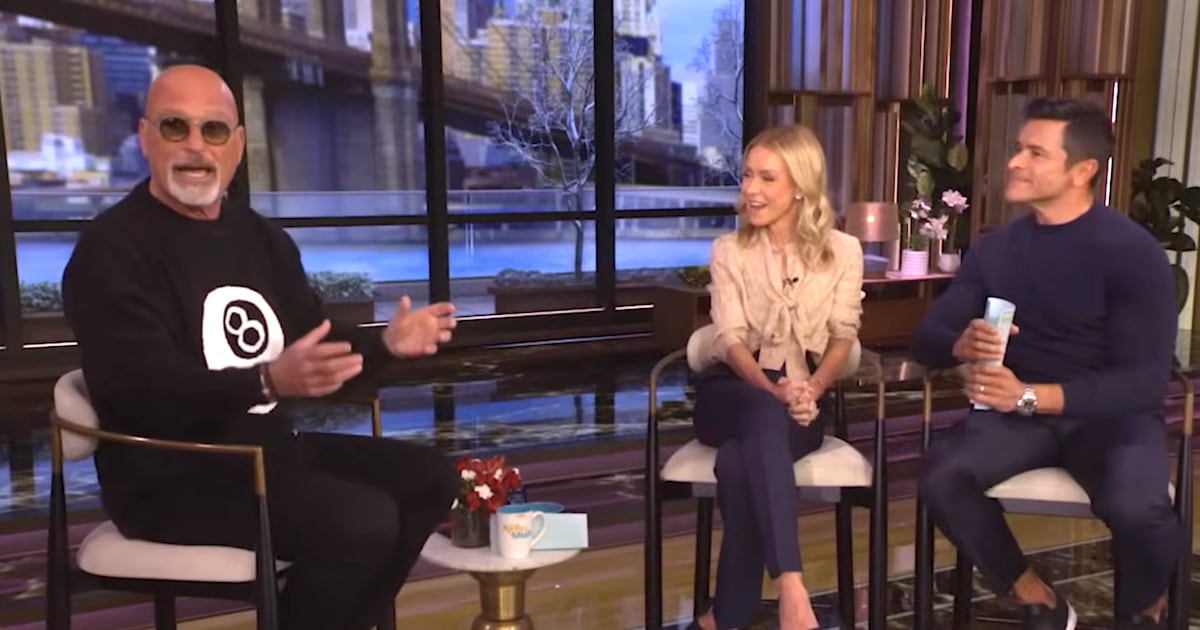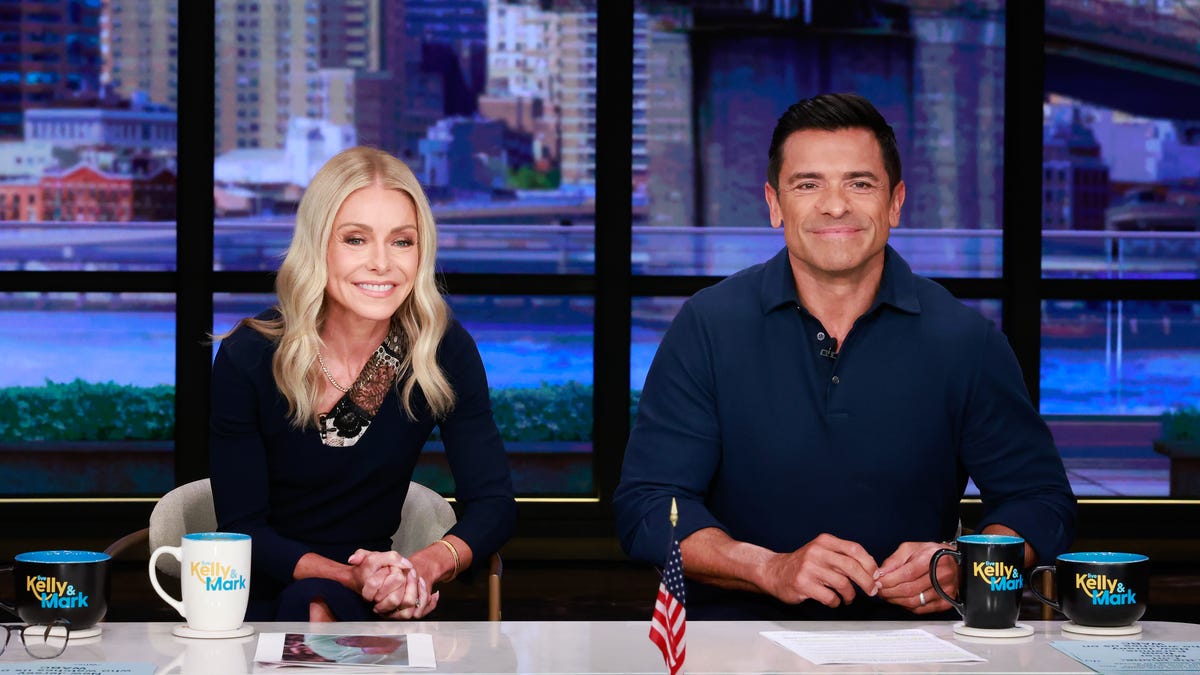
The highly scrutinized on-air exchange between Howie Mandel and Kelly Ripa on “Live with Kelly and Mark” concerning Mandel’s 70th birthday serves as a potent case study on the transactional nature of celebrity compliments and the strategic management of aging narratives in mainstream media.
When Ripa and Mark Consuelos offered praise regarding Mandel’s appearance—specifically, that he “look[ed] great”—Mandel decisively challenged the underlying premise. His refusal was not merely a dismissal of flattery, but a direct confrontation with the industry’s established convention of framing compliments with an unspoken chronological qualifier: ‘You look great *for your age*.’
The Mechanics of Conditional Praise and Professional Leverage
Mandel’s rejection, marked by stating “that means nothing without context,” functions as a strategic pivot to wrest control from the hosts’ conversational framing. In the high-stakes environment of entertainment, where marketability is often inversely correlated with age, accepting the compliment tacitly validates the idea that vitality declines past a certain milestone. Mandel’s maneuver attempts to decouple his perceived relevance from chronological markers.
This dynamic forces a structural critique of daytime television discourse, which relies on frictionless, positive guest affirmation. The resulting awkward silence underscored a momentary breakdown in expected rapport, exposing the fragility of scripted pleasantries when confronted by an authentic pushback on identity-related standards.
Challenging Industry Benchmarks: Talent vs. Infrastructure
The clash pits the individual talent’s imperative for authentic self-representation against the talk show infrastructure’s need for high-engagement, agreeable content. Mandel leverages his established platform authority to shift the focus from personal appearance to systemic bias, reframing the narrative around industry expectations for older performers.
Conversely, the hosts’ immediate attempt at mitigation—Ripa insisting they were “not saying you look great for 70″—demonstrates a reactive strategy aimed at damage control. However, Consuelos’ critical admission, “I’m saying that,” when pressed by Mandel, factually anchors the suspicion that an age modifier was indeed implied, regardless of subsequent denial.
Semantics as a Strategic Weapon: The Caveat Rejection
Mandel employed a sharp linguistic tool by comparing the compliment to calling someone “smart for a stupid person.” This analogy effectively illustrates how conditional praise functions as a concession tethered to a negative baseline stereotype regarding aging. By rejecting this linguistic architecture, Mandel forces the audience to acknowledge the embedded bias within commonplace professional affirmation.
The strategic value of this rejection is the preservation of brand authenticity. For talent whose longevity relies on perceived consistent performance (e.g., Mandel’s roles in long-running franchises), resisting categorization as merely ‘age-defying’ helps maintain competitive leverage against younger cohorts by demanding praise divorced from comparison.
Operational Friction in Live Broadcast Environments: Risk Analysis
The rapid escalation—from initial disbelief to argument and physical gesturing—highlights the inherent volatility of live television unscripted segments. Production teams analyze such incidents to calibrate future interview protocols, balancing the high-value viewership spike from authentic tension against the risk of alienating core demographics with discomfort.
The power inversion is significant: the guest commandeers the segment’s focus, placing the institutional hosts in a defensive posture. This risk is permissible only for high-caliber guests who possess sufficient professional capital to absorb any potential network friction.
Industry Context: Marketability and the Cost of Categorization
In entertainment valuation, perceived vitality directly impacts earning potential and role viability. For veteran performers, managing the discourse around aging is not ancillary; it is central to contract negotiation. The incident illuminates the institutional pressure on established figures to constantly outperform the expectation of decline associated with their chronological age.
If Mandel successfully enforces a standard of unqualified appraisal, it supports a narrative of sustained market viability, potentially translating into higher negotiation power. Conversely, hosts misjudging the sensitivity around age risk damaging guest relations and affecting future booking pipelines.
The Cultural Demand for Absolute Affirmation
The cultural significance rests in the public articulation of a widely understood but rarely challenged trope: conditional regard for aging individuals. Mandel’s demand for semantic purity forces a societal confrontation with implicit bias embedded in everyday conversational norms. The focus shifts from his physical state to the hosts’ linguistic framework, serving as a public lesson on conversational subtext.
Implications for Media Language Protocols and Training
This public confrontation creates immediate pressure for media organizations to refine interviewer training and internal guidelines concerning demographic commentary. Mandel’s explicit objection provides empirical evidence of how seemingly benign phrasing can trigger significant on-air conflict. The operational takeaway for producers may be to enforce a strict protocol of avoiding appearance commentary entirely when discussing milestones for veteran talent.
Ultimately, the exchange functions as a high-visibility data point illustrating the complex calculus of managing public perception in entertainment: a space where affirmation is frequently transactional, and every compliment carries the potential for strategic misinterpretation or calculated rejection.