Strategic Leadership Transition at DHS
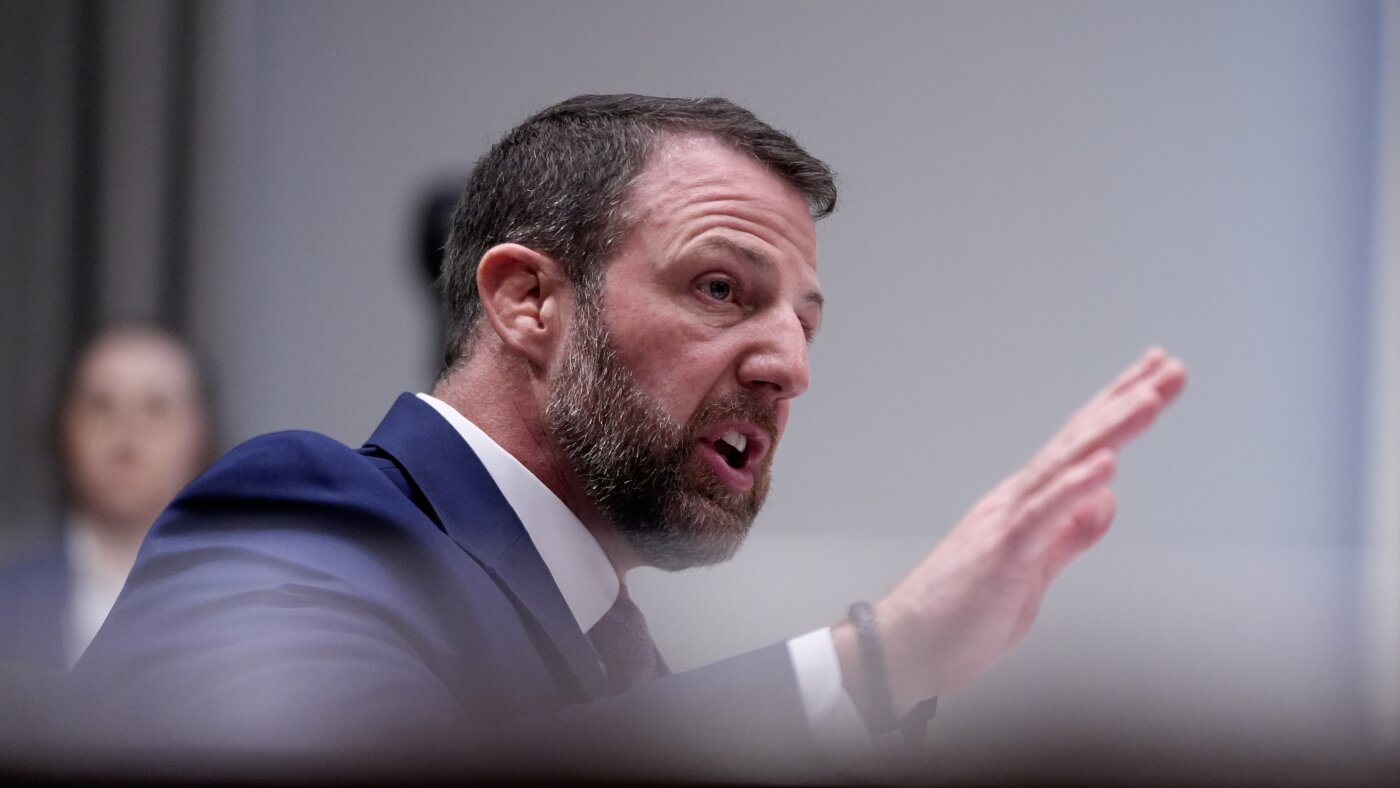
In a 54-45 vote, the United States Senate has confirmed Markwayne Mullin as the Secretary of Homeland Security, installing the Oklahoma Republican at the helm of the nation’s most operationally stressed department. This appointment concludes a volatile three-week transition following the resignation of Kristi Noem. By selecting a sitting senator, the administration aimed to leverage legislative experience to stabilize an agency currently at the center of intense constitutional and budgetary debates.
Managing the Operational Impact of the Fiscal Lapse
Mullin’s arrival coincides with a severe funding vacuum; the Department of Homeland Security (DHS) has been without a formal budget since February 14. This fiscal paralysis has forced approximately 100,000 of the department’s 250,000 employees to perform essential duties without immediate compensation. The new Secretary faces the immediate challenge of maintaining morale and operational continuity while navigating a strategic bottleneck: implementing a robust enforcement agenda without a functional payroll for his front-line workforce.
Legislative Friction and Bipartisan Variables
The confirmation vote highlighted complex political divisions. While the Republican caucus largely unified behind Mullin, Senator Rand Paul—Chair of the Homeland Security and Governmental Affairs Committee—voted against the nomination, signaling potential intra-party resistance to specific executive enforcement tactics. Conversely, the support of Democratic Senators John Fetterman and Martin Heinrich provided the necessary margin for confirmation, suggesting a pragmatic, albeit narrow, consensus on the need for institutional leadership over prolonged vacancy.
Execution of the Enforcement and Deportation Mandate
As the primary architect of the administration’s second-term immigration strategy, Mullin must operationalize a mass deportation mandate that is unprecedented in scale. This requires sophisticated coordination across federal and local jurisdictions. During his testimony, Mullin signaled a desire to move DHS out of the daily headlines within six months—a goal that implies a shift toward disciplined, process-oriented enforcement. However, this objective remains threatened by ongoing legislative scrutiny following fatal enforcement incidents in Minnesota and the logistical hurdles of the current shutdown.
Institutional Credibility and Future Outlook
Mullin must also navigate reputational challenges concerning his temperament and past military record, which were focal points during the hearing process. To effectively lead a bureaucracy of 250,000, he will need to establish professional credibility quickly to mitigate internal friction. His tenure will be judged by two primary metrics: his ability to secure a stable funding resolution and the efficiency with which he executes the administration’s border security priorities during a period of extreme fiscal and political polarization.