Strategic Imperative: Barcelona vs. Rayo Vallecano in LaLiga Title Race
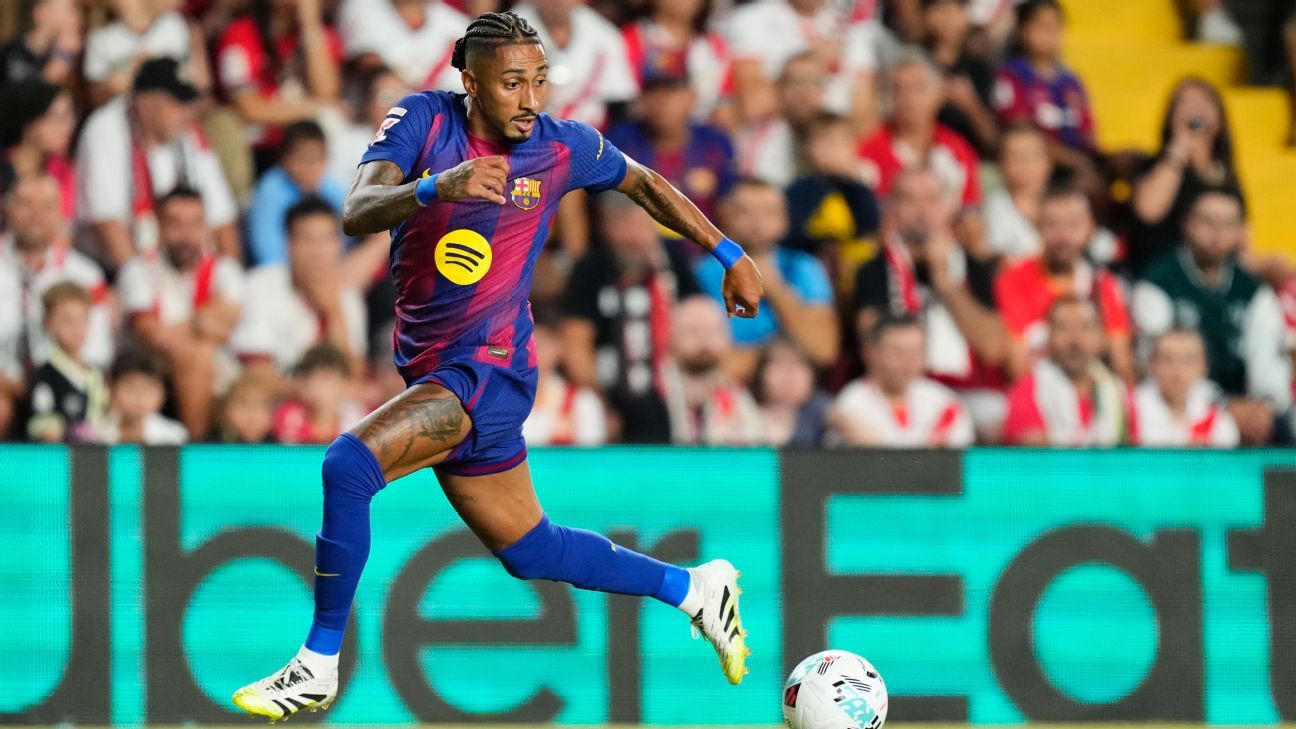
As Barcelona enters matchday 29 of LaLiga, the objective remains singular: maintain or extend the four-point lead over Real Madrid. The upcoming fixture against Rayo Vallecano, while seemingly straightforward on paper given the league standings, presents a critical test of strategic focus and operational efficiency. Barcelona’s recent success in securing a spot in the Champions League quarterfinals provides significant momentum but introduces challenges related to squad management and prioritization between domestic and European competitions.
This match is not merely about securing three points; it is about sustaining the psychological advantage over Real Madrid. Barcelona’s perfect record at home since relocating from Montjuic—13 victories in 13 matches—transforms the Camp Nou into a fortress, providing a critical psychological edge against visiting teams and reinforcing confidence. Maintaining this perfect record against Rayo Vallecano is vital for avoiding ceding ground and solidifying the team’s psychological dominance in the domestic league during this high-leverage phase.
Rayo Vallecano’s Strategic Calculus: Prioritizing Europe over Camp Nou
Rayo Vallecano faces a complex strategic dilemma, balancing domestic survival against European ambition. Positioned in the lower half of the table (13th/14th place), their primary objective is to secure points for “salvation,” or avoiding relegation. Simultaneously, Rayo Vallecano has achieved significant success in European competition, advancing to the quarterfinals of the Conference League. This dual focus creates tension between short-term league security and long-term reputational and financial gains from European progression.
The lineup choices for Rayo Vallecano suggest a calculated prioritization of resources. Key attacking players such as Alemao, De Frutos, and Álvaro García are not starting. Álvaro García, noted as fundamental to the team’s strategy, being rested signals a potential shift in tactical approach for this specific match. Given the difficulty of securing points at Camp Nou against a high-performing Barcelona side, Rayo’s management may be strategically allocating player resources to upcoming matches where points are more likely to be gained, or prioritizing the Conference League quarterfinal, which offers substantial financial and reputational rewards for a club of its size.
Financial Disparity and Institutional Strategy
The financial stakes for both clubs illustrate the structural disparity in European football. For Barcelona, securing the LaLiga title directly impacts future broadcast revenue distribution, sponsorship valuations, and guarantees automatic qualification for the lucrative Champions League. Maintaining domestic dominance ensures long-term financial stability and competitive positioning.
For Rayo Vallecano, the financial incentives are focused on two fronts: avoiding relegation and maximizing returns from the Conference League. Relegation to the second division would result in a substantial loss of revenue. Conversely, progression in the Conference League provides a significant financial injection for a club of Rayo’s scale, exceeding typical expectations for a mid-table team. The strategic decision to prioritize European play through squad rotation suggests a calculated risk-reward analysis, where the potential gains from European success outweigh the perceived likelihood of securing points against the league leader.
Tactical Implications and Competitive Landscape
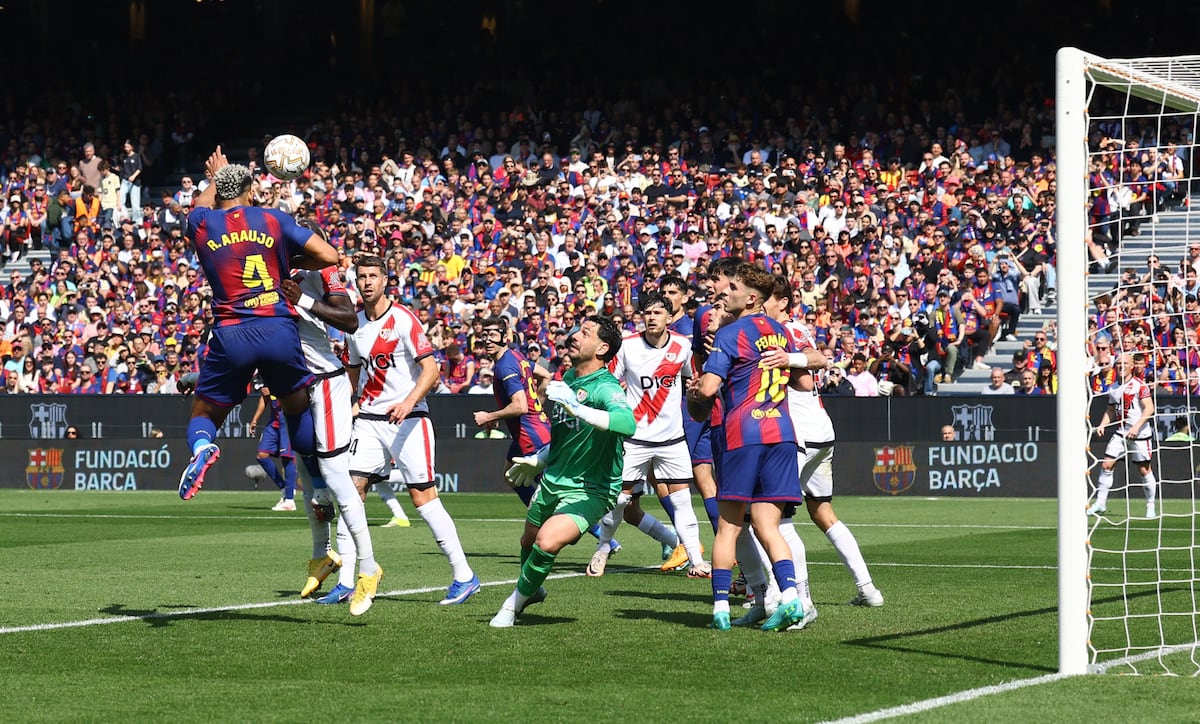
Barcelona’s lineup decision to include Araujo as the sole change in the starting XI indicates a calculated adjustment by Hansi Flick. Araujo’s presence strengthens the defensive structure and provides tactical flexibility, potentially anticipating Rayo Vallecano’s counter-attacking capabilities. This decision underscores the importance of defensive solidity in maintaining a lead and managing the physical demands of a compressed schedule following European play.
A Barcelona victory would maintain the four-point gap, keeping Real Madrid under pressure and solidifying Barcelona’s position as the clear favorite for the title. Conversely, a draw or loss for Barcelona would narrow the gap, increasing competitive tension and potentially shifting market sentiment regarding the title race. The strategic decisions made regarding squad rotation and tactical approach will be closely scrutinized for their impact on the final outcome and the broader competitive landscape.